- Provide global users with the design, manufacturing, supply, and installation of steel towers and structures.

-
Weifang ,Shandong,P.R.C
-
-
4g antenna tower
Self-Supporting Towers
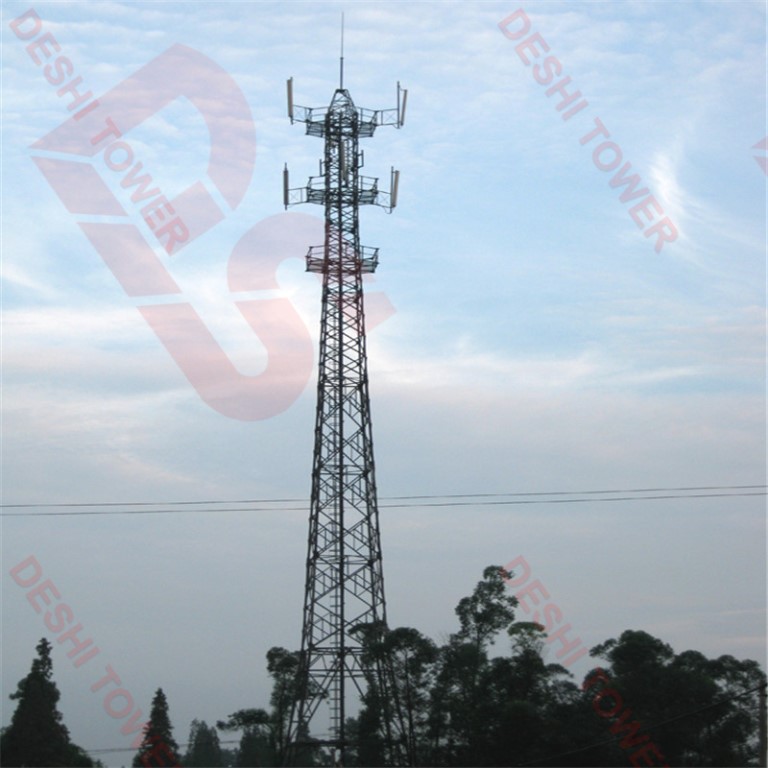
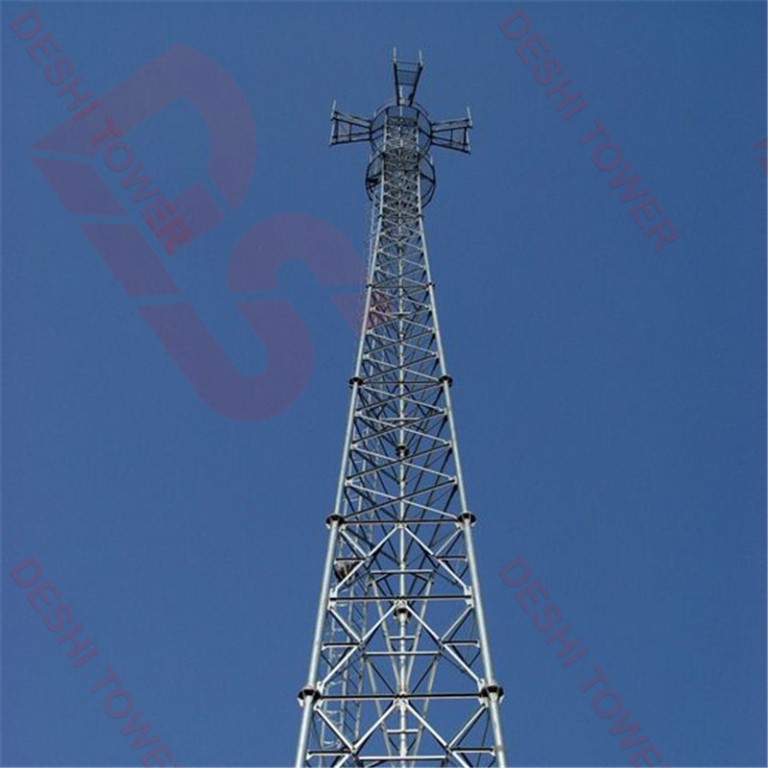

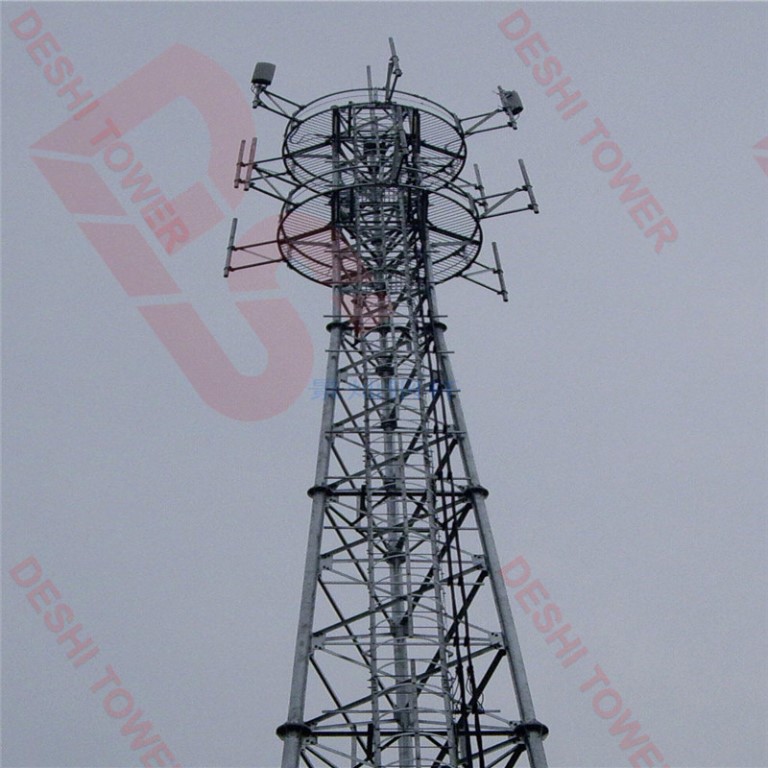
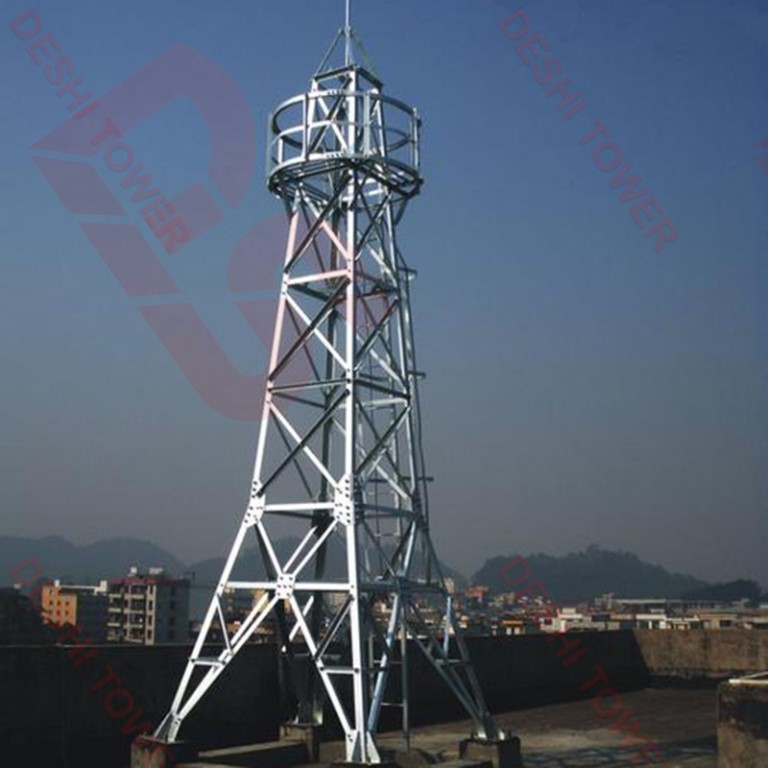
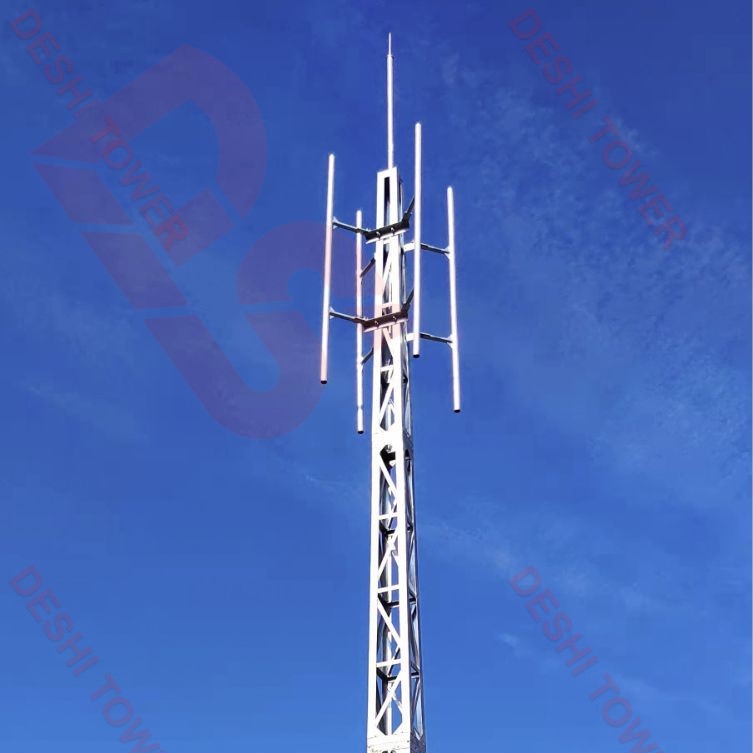
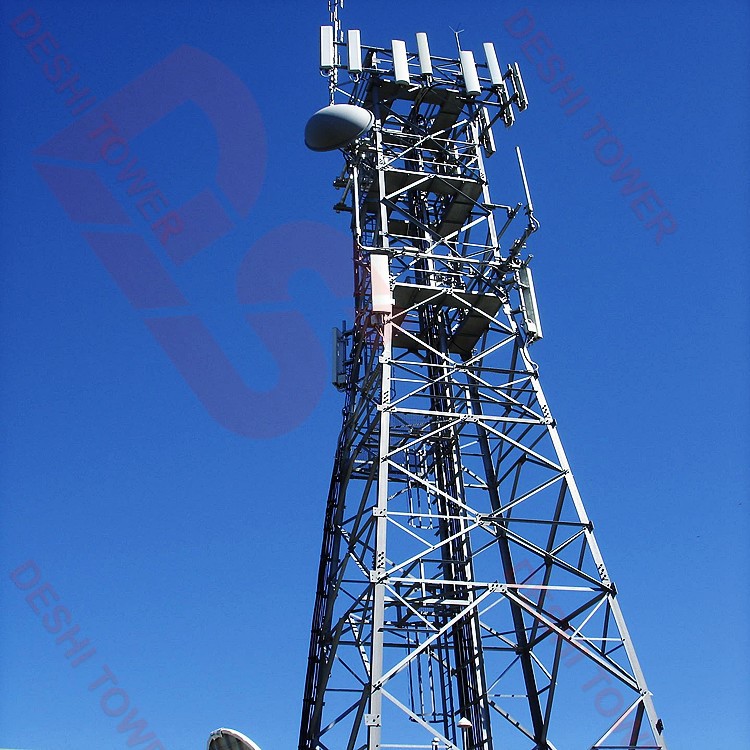
A "4G antenna tower" is a fundamental element of modern telecommunications infrastructure designed to support fourth-generation (4G) wireless technology. 4G technology represents a significant advancement over its predecessors, offering faster data speeds, lower latency, and increased capacity, enabling a wide range of advanced mobile services and applications.
These towers are equipped with sophisticated radio equipment, including antennas, transceivers, and base station controllers, to transmit and receive signals within their coverage areas. They play a crucial role in enabling mobile operators to deliver high-speed data connectivity, multimedia streaming, online gaming, and other bandwidth-intensive services to users with 4G-compatible devices.
The deployment of 4G antenna towers has revolutionized mobile communications, providing users with faster and more reliable connectivity on their smartphones, tablets, and other mobile devices. With 4G technology, users can enjoy seamless video streaming, fast web browsing, and real-time communication applications with minimal lag or interruptions.
4G antenna towers are typically deployed in urban and suburban areas where there is high demand for data services and where population density requires robust network infrastructure. These towers may also be installed in rural areas to extend high-speed internet access to underserved communities and improve connectivity in remote locations.
While newer generations like 5G have been introduced with even greater speeds and capabilities, 4G networks continue to serve as the backbone of mobile communications infrastructure in many parts of the world. As mobile operators continue to expand their 4G networks and invest in infrastructure upgrades, 4G antenna towers will remain essential for delivering fast and reliable connectivity to millions of users worldwide.
Overall, 4G antenna towers play a critical role in enabling the widespread adoption of high-speed mobile data services, driving innovation, economic growth, and social development in the digital age. They represent a key component of the modern telecommunications landscape, supporting the increasing demand for mobile connectivity and empowering users with access to information and services anytime, anywhere.
| Product | 4g antenna tower |
| Shape | lattice |
| Material | Normally Q345B/A572, Minimum Yield Strength ≥ 345 N/mm² Q235B/A36, Minimum Yield Strength ≥ 235 N/mm². OR Q420 Q460 ASTM A572 GR65, GR50, SS400 |
| Surface treatment | Hot dip galvanized Following ASTM A 123, BS729 or as client required. |
| connection | bolt connection |
| Standard | ISO 9001:2008 |
| Height: | 20 ft, 25 ft, 30 ft, 40 ft, 50 ft, 60 ft, 70 ft, 75 ft, 80 ft, 100 ft, 200 ft, 500 ft, 600 ft, etc. |
| Surface treatment: | galvanization and color painted |
| Welding Standard | AWS (American Welding Society ) D 1.1 |
| Production Process | Raw material test → Cutting →Welding →Hole drilling →Dimension verify →sample assemble → surface clean→ Galvanization or powder coating ,painting →Recalibration →Packages |
| Packages | Packing with plastic paper, steel box or according to client’s request. |
Deshi Tower specializes in the design, manufacture, and construction support of transmission towers, Telecommunications Tower, steel structures, and observation towers.
Transmission tower design adheres to ASCE/SEI standards. Telecommunications Tower design follows ANSI/TIA-222 standards. We are not just manufacturers and suppliers, but also your technical support and partners.

If you need professional product quotations, technical & construction support, please email to us or submit the following sheet, we will contact you in 24 hours and pls check your emailbox. Your connection information will just be known by ourselves.