- Provide global users with the design, manufacturing, supply, and installation of steel towers and structures.

-
Weifang ,Shandong,P.R.C
-
-
am broadcast tower
Self-Supporting Towers
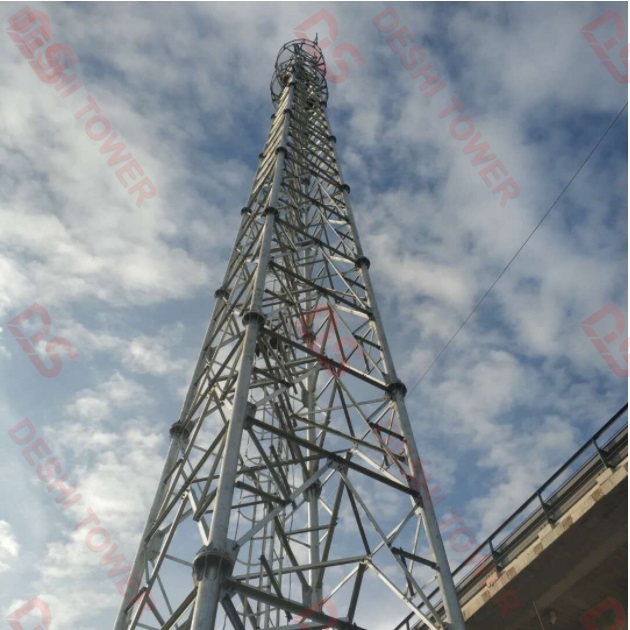

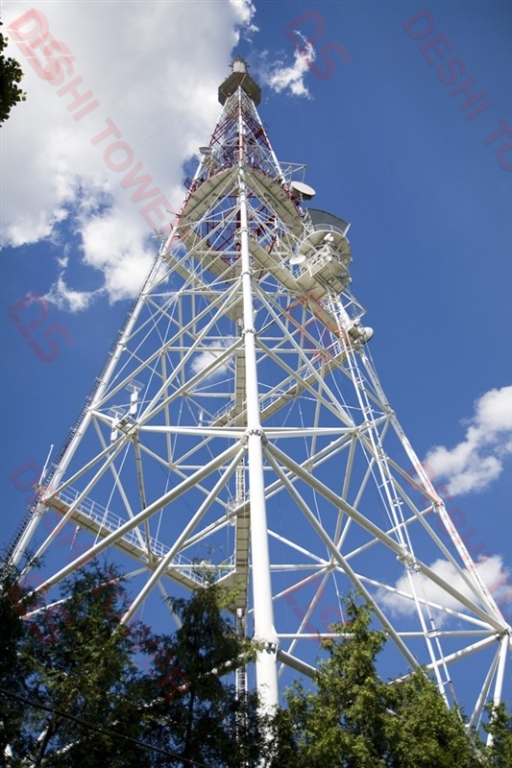
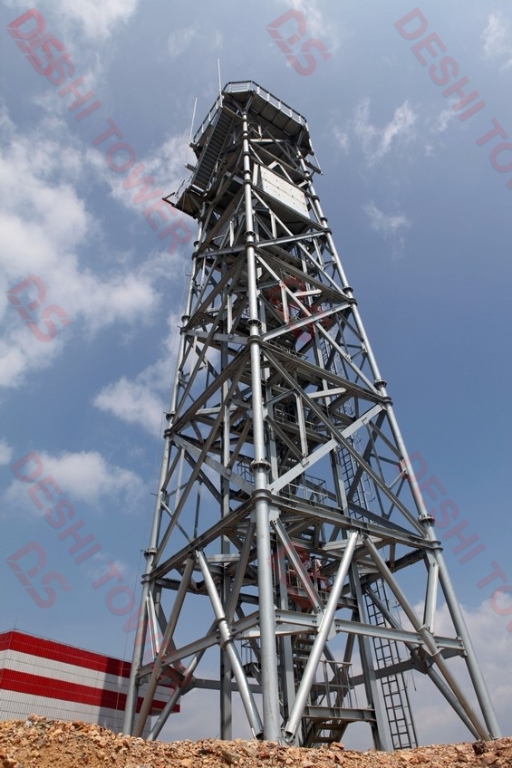
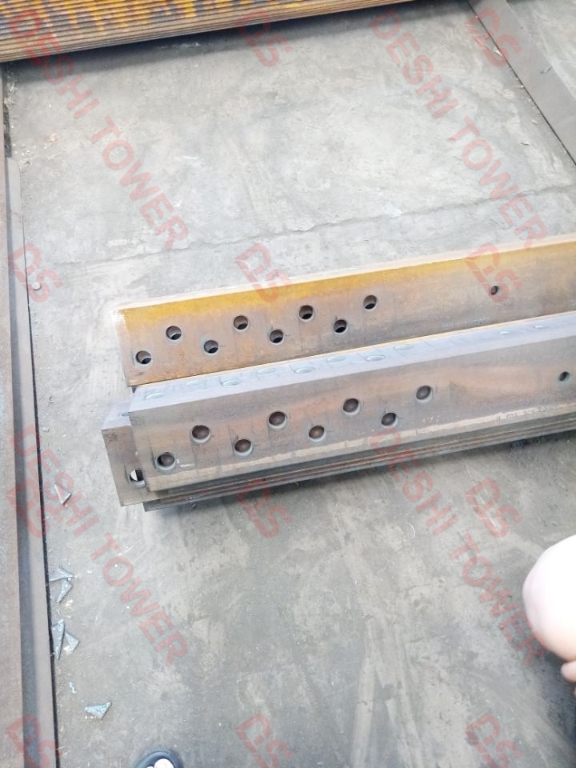
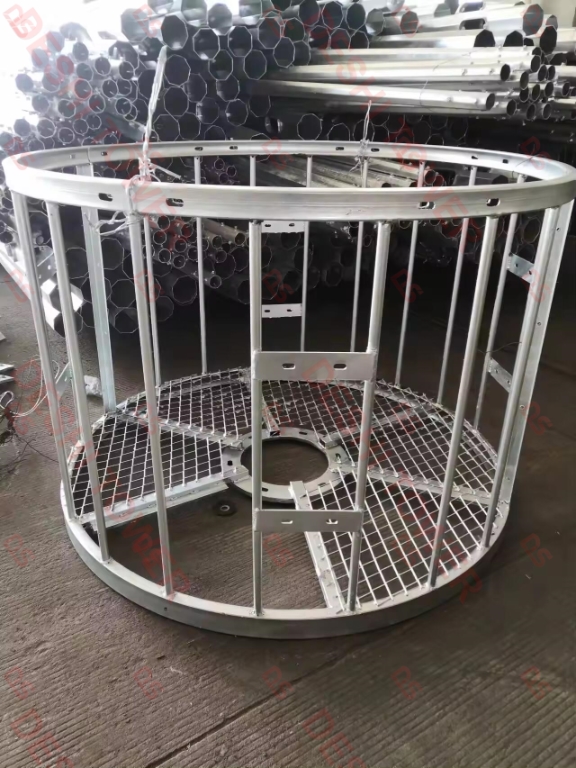
An AM broadcast tower is a specific type of radio frequency tower designed primarily for transmitting amplitude modulation (AM) radio signals. These towers are a crucial part of the AM radio broadcasting infrastructure, allowing radio stations to broadcast their programming over large geographical areas.
Characteristics of AM Broadcast Towers
- Height and Design: AM broadcast towers are often very tall, sometimes exceeding 300 feet (about 90 meters), which is necessary for the transmission of lower frequency signals typical of AM radio. The height of these towers influences their signal reach, which can cover hundreds of miles, especially at night when AM radio waves travel further due to atmospheric conditions.
- Ground System: Unlike FM towers, AM towers often require an extensive ground system, which consists of a network of buried radial wires emanating from the base of the tower. This ground system is essential for the efficient radiation of radio waves.
- Directional and Non-directional Antennas: Some AM stations use directional antenna patterns to focus their signal in specific directions and avoid interference with other stations. This requires the use of multiple towers spaced strategically. Non-directional stations, on the other hand, typically use a single tower to broadcast signals uniformly in all directions.
- Insulation and Grounding: AM towers are usually insulated from the ground at their base. The feed point is elevated, with the entire tower acting as the antenna. Proper grounding and lightning protection are critical due to the height and metallic structure, which attract lightning.
Functions of AM Broadcast Towers
- Wide Coverage: AM radio signals are particularly effective at night when they can “bounce” off the ionosphere, allowing them to travel vast distances. This makes AM radio a powerful medium for reaching rural and remote areas.
- Emergency Broadcasting: AM radio is often used for emergency broadcasts. Its ability to reach broad areas with vital information makes it indispensable during crises like natural disasters.
- Cultural and Informational Programming: AM radio continues to be a significant medium for news, talk shows, sports broadcasts, and other cultural programming, serving diverse communities with content not always available on other platforms.
Importance
AM broadcast towers remain relevant despite technological advancements in digital and FM radio. Their ability to deliver content across extensive areas without the need for internet connectivity or advanced technology makes them a critical component of national and regional communication infrastructures, especially in less developed or rural areas.
| Product | am broadcast tower |
| Shape | lattice |
| Material | Normally Q345B/A572, Minimum Yield Strength ≥ 345 N/mm² Q235B/A36, Minimum Yield Strength ≥ 235 N/mm². OR Q420 Q460 ASTM A572 GR65, GR50, SS400 |
| Surface treatment | Hot dip galvanized Following ASTM A 123, BS729 or as client required. |
| connection | bolt connection |
| Standard | ISO 9001:2008 |
| Height: | 20 ft, 25 ft, 30 ft, 40 ft, 50 ft, 60 ft, 70 ft, 75 ft, 80 ft, 100 ft, 200 ft, 500 ft, 600 ft, etc. |
| Surface treatment: | galvanization and color painted |
| Welding Standard | AWS (American Welding Society ) D 1.1 |
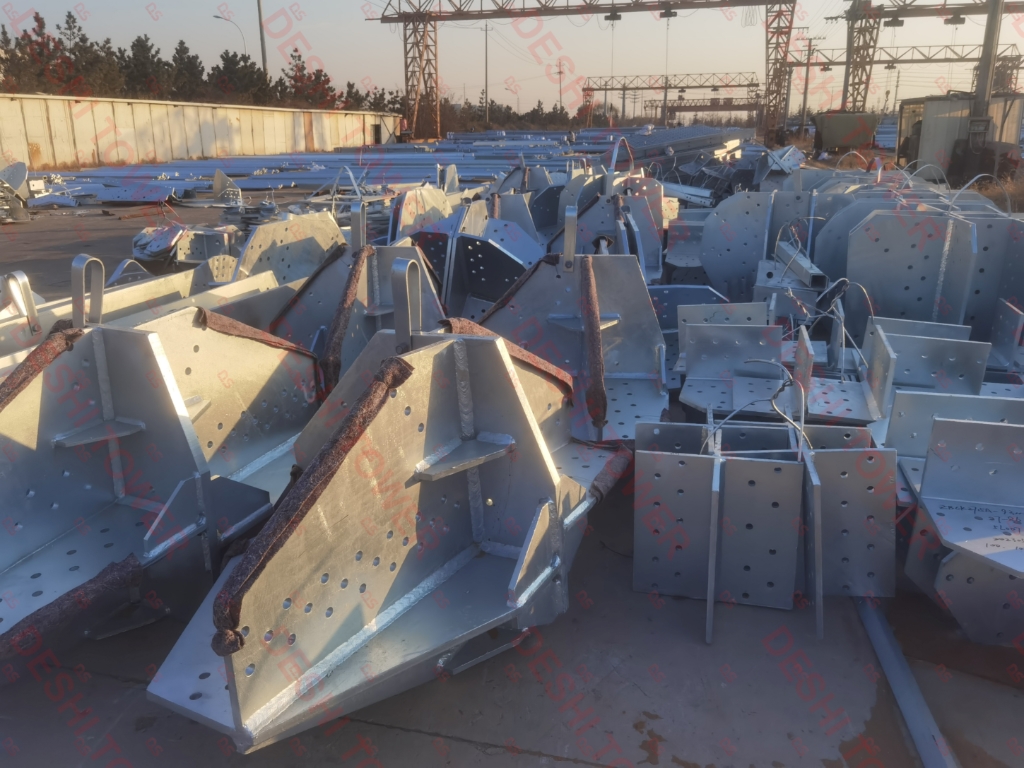
| Production Process | Raw material test → Cutting →Welding →Hole drilling →Dimension verify →sample assemble → surface clean→ Galvanization or powder coating ,painting →Recalibration →Packages |
| Packages | Packing with plastic paper, steel box or according to client’s request. |
Deshi Tower specializes in the design, manufacture, and construction support of transmission towers, am broadcast towers, steel structures, and observation towers.
Transmission tower design adheres to ASCE/SEI standards. am broadcast tower design follows ANSI/TIA-222 standards. We are not just manufacturers and suppliers, but also your technical support and partners.

If you need professional product quotations, technical & construction support, please email to us or submit the following sheet, we will contact you in 24 hours and pls check your emailbox. Your connection information will just be known by ourselves.