- Provide global users with the design, manufacturing, supply, and installation of steel towers and structures.

-
Weifang ,Shandong,P.R.C
-
-
digital tv tower
Self-Supporting Towers


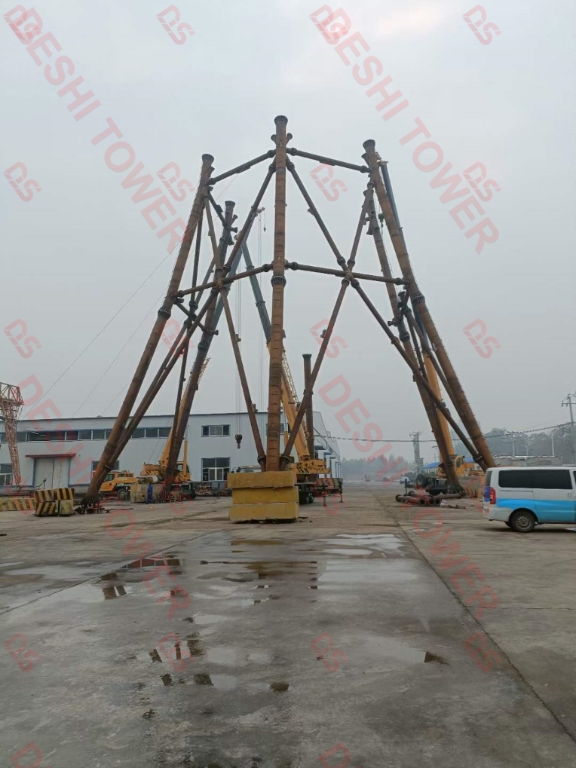
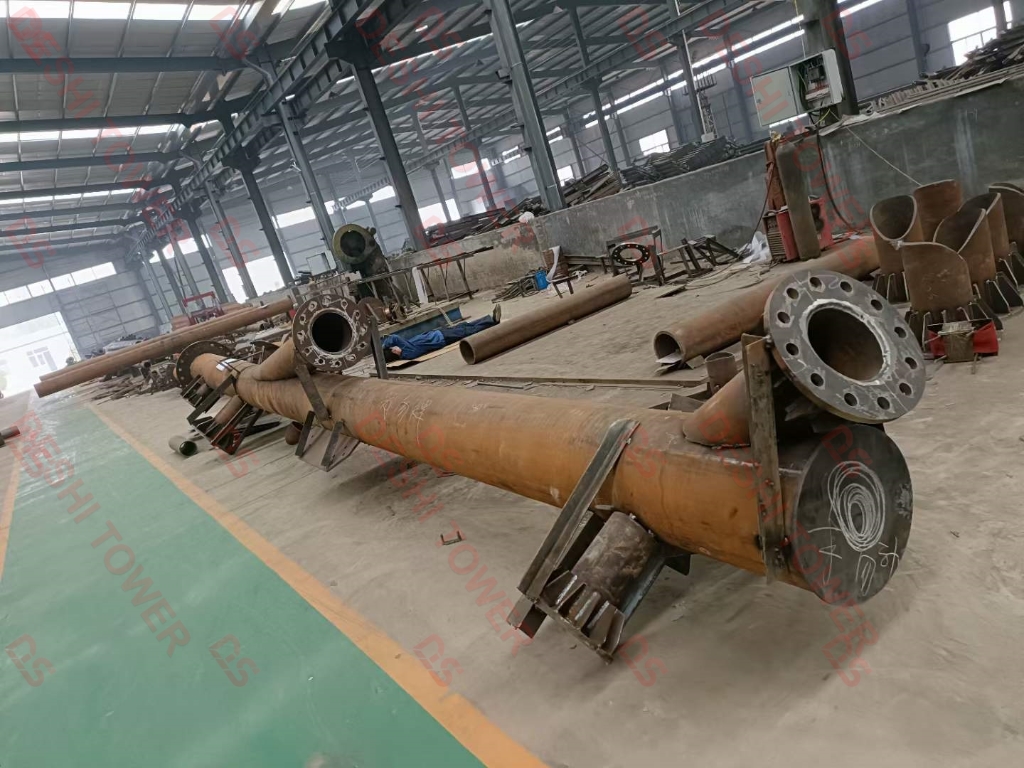

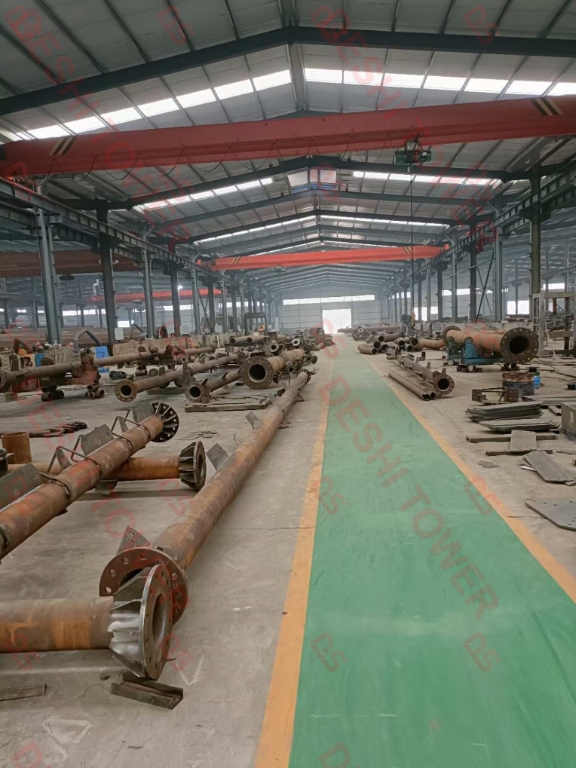
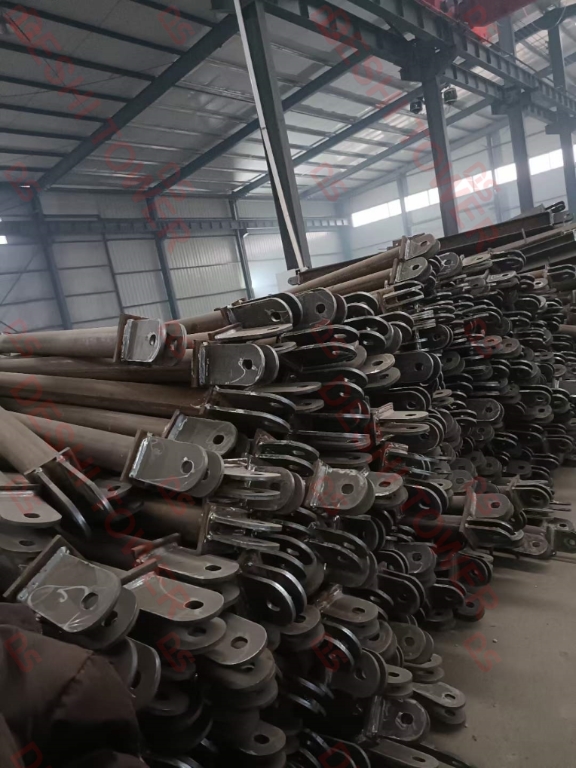
A digital TV tower is a broadcast infrastructure that transmits television signals in digital format, replacing the older analog TV towers used in traditional broadcast television. Here’s a comprehensive overview of digital TV towers:
- Purpose: Digital TV towers are designed to broadcast digital television signals to a broad area, providing high-quality audio and video content to digital TVs, set-top boxes, or digital receivers. This digital transmission allows for higher-definition broadcasts, better sound quality, and additional features such as multiple sub-channels and interactive services.
- Technology: Digital TV towers use digital modulation techniques to send data over the airwaves. The most common standard in many parts of the world is the Advanced Television Systems Committee (ATSC) for North America and certain other regions, and Digital Video Broadcasting (DVB) in Europe and other parts of the world. These standards allow for more efficient use of the radio spectrum and enable features like high-definition television (HDTV) and additional data services.
- Structure: Like other broadcast towers, digital TV towers are typically tall structures made of steel or aluminum, designed to elevate broadcast antennas to a sufficient height to cover a large area. The towers can be lattice towers, guyed towers, or self-supporting towers, depending on factors like height, location, and required coverage.
- Coverage: The height and power of the tower determine its coverage area. Digital TV signals have a limited range compared to analog signals, but they offer better quality within that range. The location and installation of digital TV towers require careful planning to avoid signal interference and ensure optimal coverage.
- Digital Transition: Many countries transitioned from analog to digital television in the late 2000s and early 2010s. This transition, often called the “digital switchover” or “digital transition,” allowed broadcasters to offer better quality and more programming options while freeing up valuable radio spectrum for other uses, such as mobile broadband.
- Benefits: Digital TV towers provide numerous advantages over analog towers, including improved signal quality, more efficient use of the spectrum, the ability to transmit multiple channels on a single frequency (multicasting), and support for interactive features and electronic program guides.
| Product | digital tv tower |
| Shape | lattice |
| Material | Normally Q345B/A572, Minimum Yield Strength ≥ 345 N/mm² Q235B/A36, Minimum Yield Strength ≥ 235 N/mm². OR Q420 Q460 ASTM A572 GR65, GR50, SS400 |
| Surface treatment | Hot dip galvanized Following ASTM A 123, BS729 or as client required. |
| connection | bolt connection |
| Standard | ISO 9001:2008 |
| Height: | 20 ft, 25 ft, 30 ft, 40 ft, 50 ft, 60 ft, 70 ft, 75 ft, 80 ft, 100 ft, 200 ft, 500 ft, 600 ft, etc. |
| Surface treatment: | galvanization and color painted |
| Welding Standard | AWS (American Welding Society ) D 1.1 |
| Production Process | Raw material test → Cutting →Welding →Hole drilling →Dimension verify →sample assemble → surface clean→ Galvanization or powder coating ,painting →Recalibration →Packages |
| Packages | Packing with plastic paper, steel box or according to client’s request. |
Deshi Tower specializes in the design, manufacture, and construction support of transmission towers, Telecommunications Tower, steel structures, and observation towers.
Transmission tower design adheres to ASCE/SEI standards. Telecommunications Tower design follows ANSI/TIA-222 standards. We are not just manufacturers and suppliers, but also your technical support and partners.

If you need professional product quotations, technical & construction support, please email to us or submit the following sheet, we will contact you in 24 hours and pls check your emailbox. Your connection information will just be known by ourselves.