- Provide global users with the design, manufacturing, supply, and installation of steel towers and structures.

-
Weifang ,Shandong,P.R.C
-
-
free standing radio tower
Self-Supporting Towers
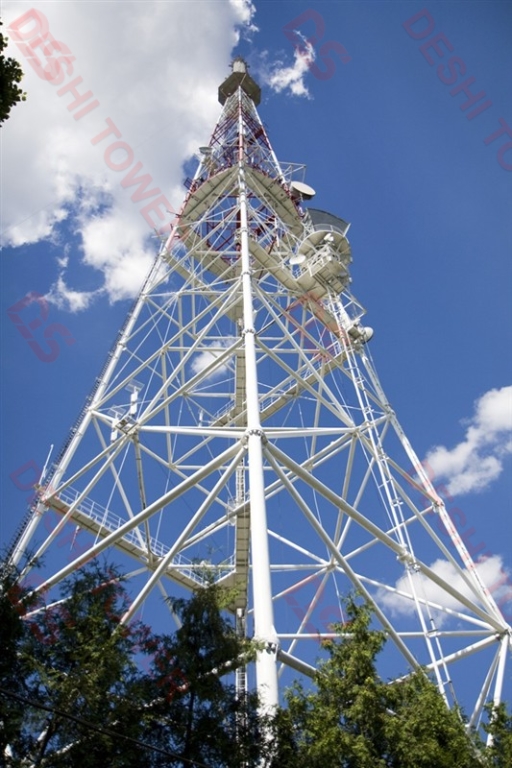

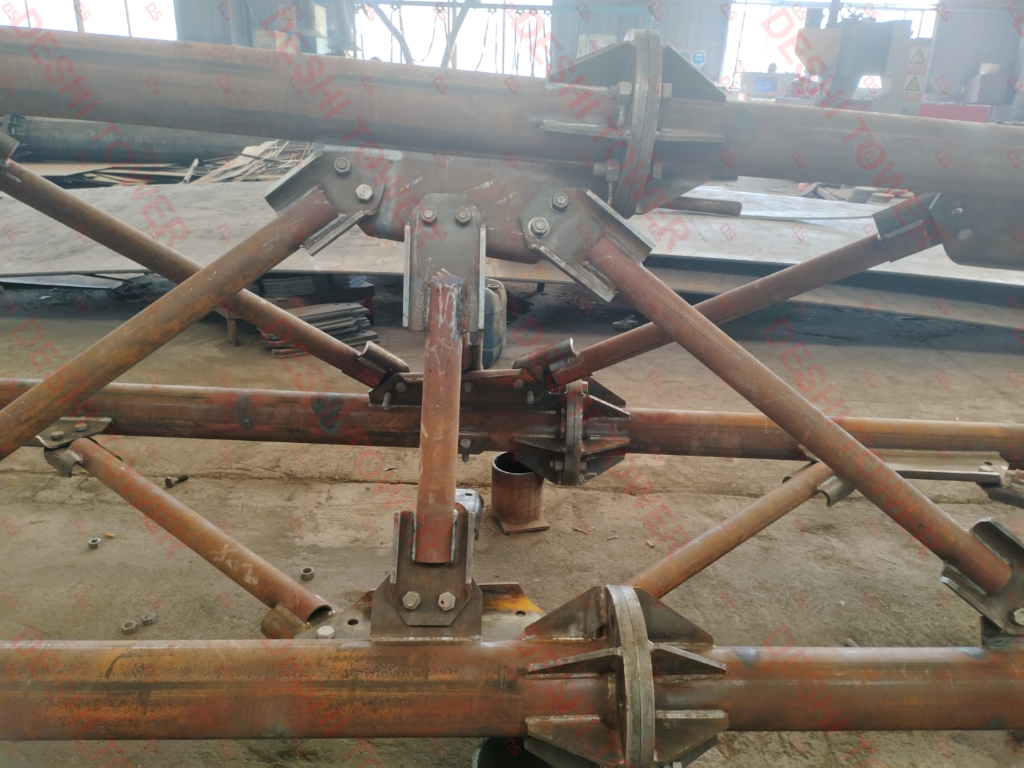
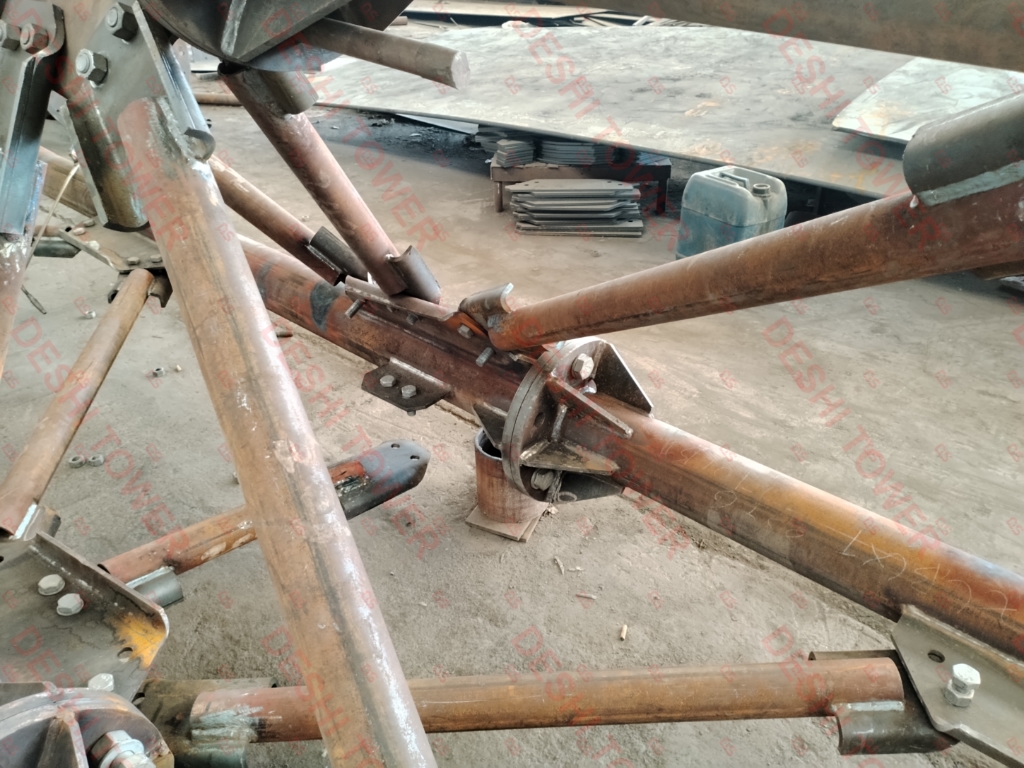
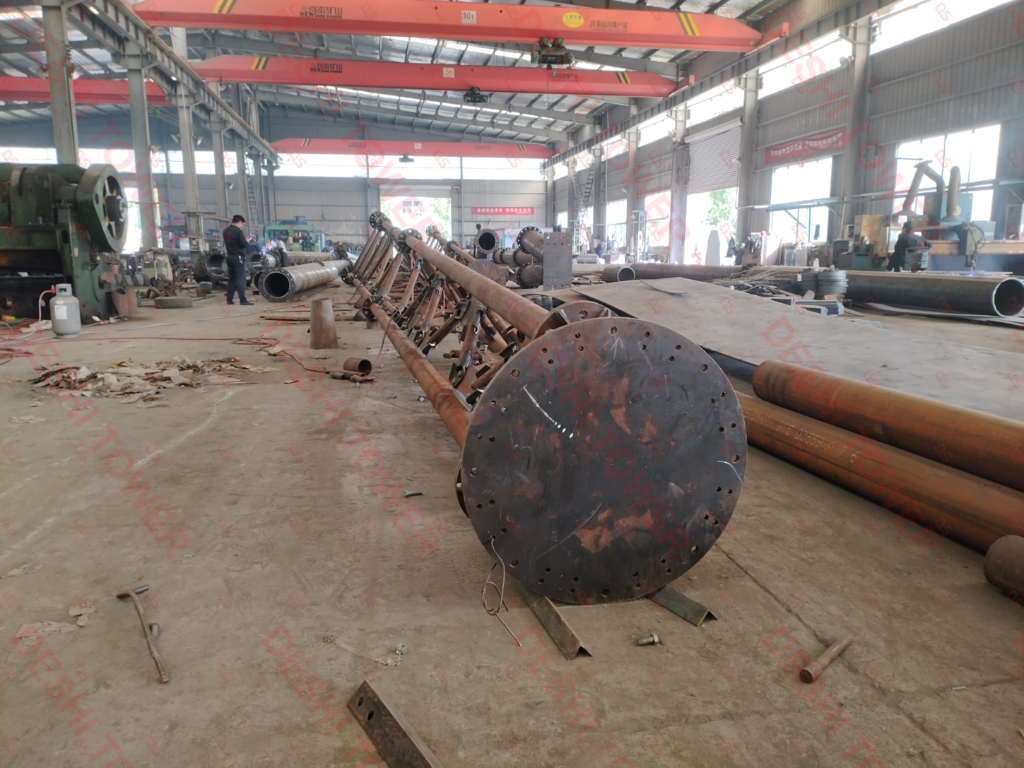
A free-standing radio tower is a structure designed to support antennas for radio communication purposes without relying on external guy wires for stability. These towers come in various designs and materials, depending on the specific requirements of the communication system and the environmental conditions of the installation site. Here’s an overview:
Structure: Free-standing radio towers are typically made of materials like steel or aluminum and are constructed to be self-supporting. They may feature lattice or monopole designs, with lattice towers consisting of interconnected metal sections forming a framework and monopoles being single, vertical shafts.
Purpose: These towers are used to support antennas for radio communication applications, including broadcasting, two-way radio systems, amateur radio, and other wireless communication services. They provide elevated platforms for antennas to improve signal coverage and reach.
Height: Free-standing radio towers vary in height depending on the specific needs of the communication system and the desired coverage area. Taller towers can support antennas at greater heights, enabling broader signal coverage over longer distances.
Installation: The installation of a free-standing radio tower requires careful planning and engineering to ensure structural integrity and stability. Towers must be anchored securely to concrete foundations to withstand environmental factors such as wind loads and seismic activity. Specialized equipment and expertise are often needed to assemble and erect these towers safely.
Design Considerations: Factors such as wind loading, ice loading, soil conditions, and seismic activity must be taken into account during the design and installation of free-standing radio towers to ensure compliance with safety standards and regulatory requirements. Tower designs may include reinforcements and structural enhancements to improve stability and strength.
Applications: Free-standing radio towers are used in various communication applications, including commercial broadcasting, public safety communications, amateur radio operations, and wireless internet access. They are installed in diverse settings, including urban and rural areas, to support communication infrastructure and extend coverage to remote locations.
In summary, free-standing radio towers are integral components of communication networks, providing elevated platforms for antennas to facilitate radio communication services across various applications and environments. Their self-supporting design, versatility, and reliability make them essential for modern wireless communication infrastructure.
| Product | free standing radio tower |
| Shape | lattice |
| Material | Normally Q345B/A572, Minimum Yield Strength ≥ 345 N/mm² Q235B/A36, Minimum Yield Strength ≥ 235 N/mm². OR Q420 Q460 ASTM A572 GR65, GR50, SS400 |
| Surface treatment | Hot dip galvanized Following ASTM A 123, BS729 or as client required. |
| connection | bolt connection |
| Standard | ISO 9001:2008 |
| Height: | 20 ft, 25 ft, 30 ft, 40 ft, 50 ft, 60 ft, 70 ft, 75 ft, 80 ft, 100 ft, 200 ft, 500 ft, 600 ft, etc. |
| Surface treatment: | galvanization and color painted |
| Welding Standard | AWS (American Welding Society ) D 1.1 |
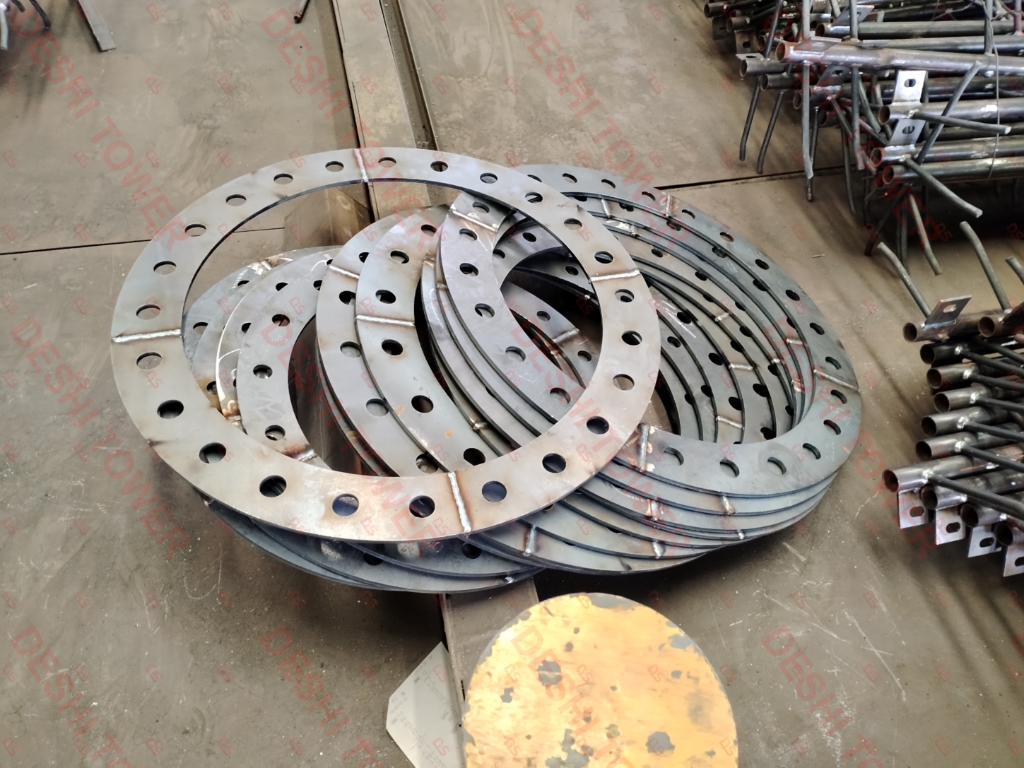
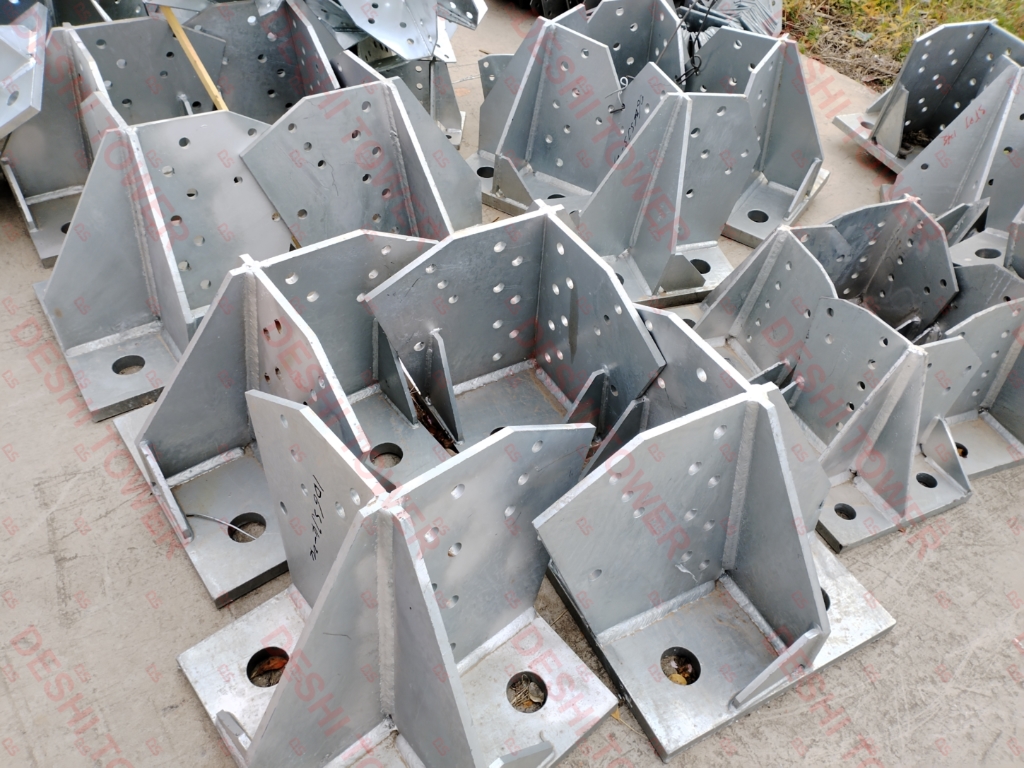
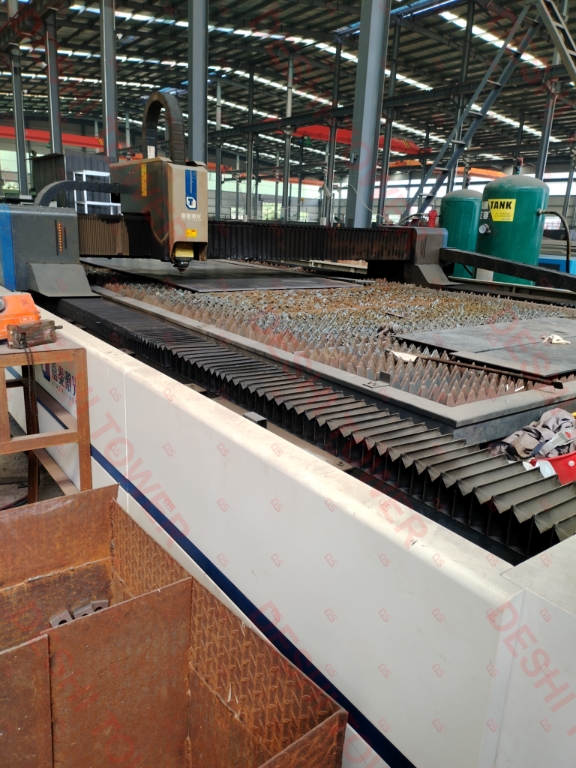
| Production Process | Raw material test → Cutting →Welding →Hole drilling →Dimension verify →sample assemble → surface clean→ Galvanization or powder coating ,painting →Recalibration →Packages |
| Packages | Packing with plastic paper, steel box or according to client’s request. |
Deshi Tower specializes in the design, manufacture, and construction support of transmission towers, Telecommunications Tower, steel structures, and observation towers.
Transmission tower design adheres to ASCE/SEI standards. Telecommunications Tower design follows ANSI/TIA-222 standards. We are not just manufacturers and suppliers, but also your technical support and partners.

If you need professional product quotations, technical & construction support, please email to us or submit the following sheet, we will contact you in 24 hours and pls check your emailbox. Your connection information will just be known by ourselves.