- Provide global users with the design, manufacturing, supply, and installation of steel towers and structures.

-
Weifang ,Shandong,P.R.C
-
-
internet antenna tower
Self-Supporting Towers
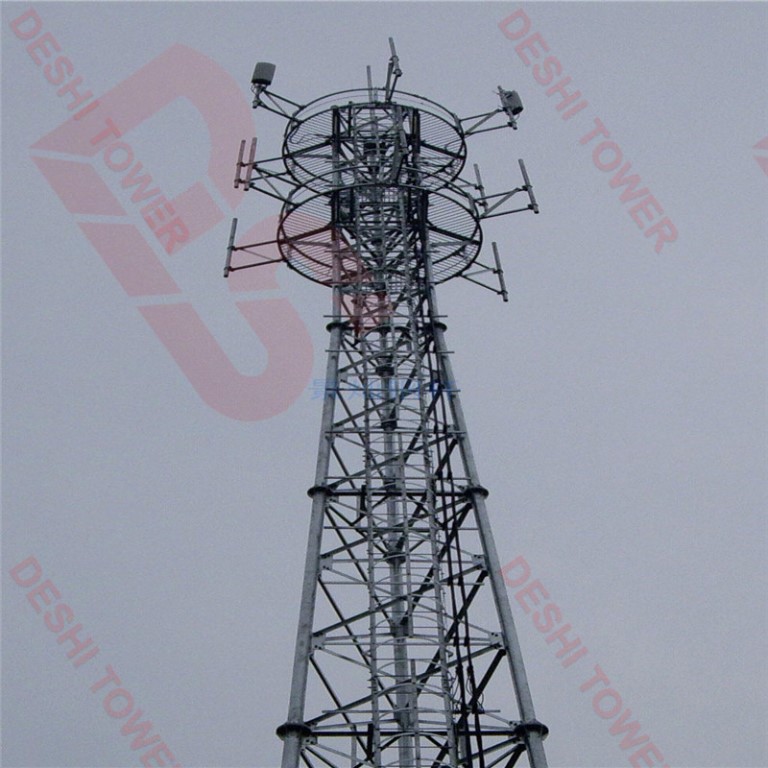

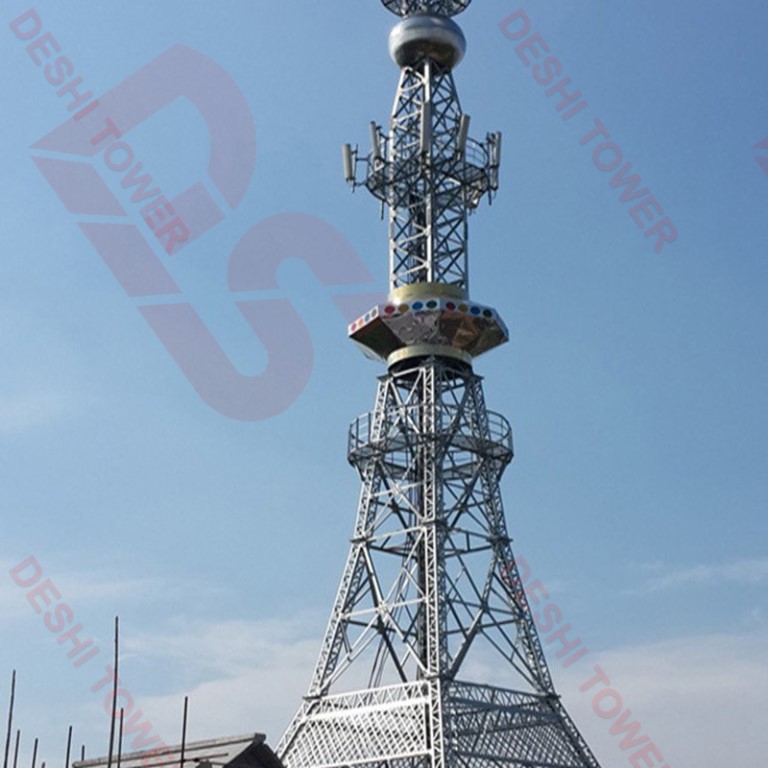
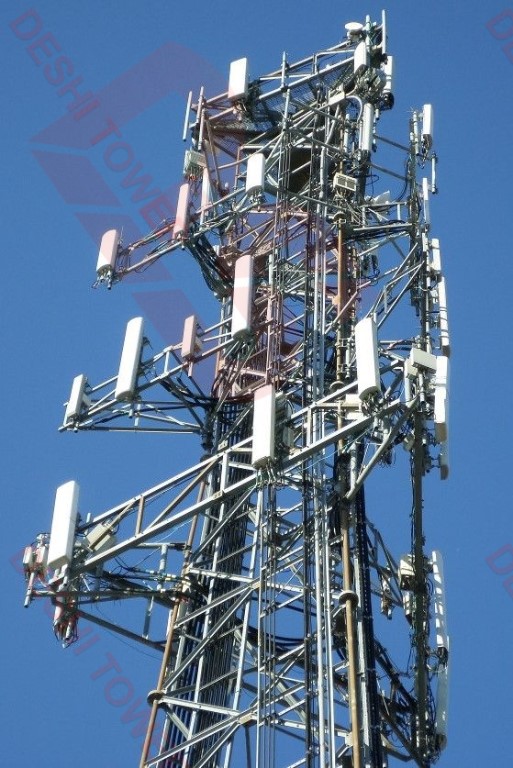
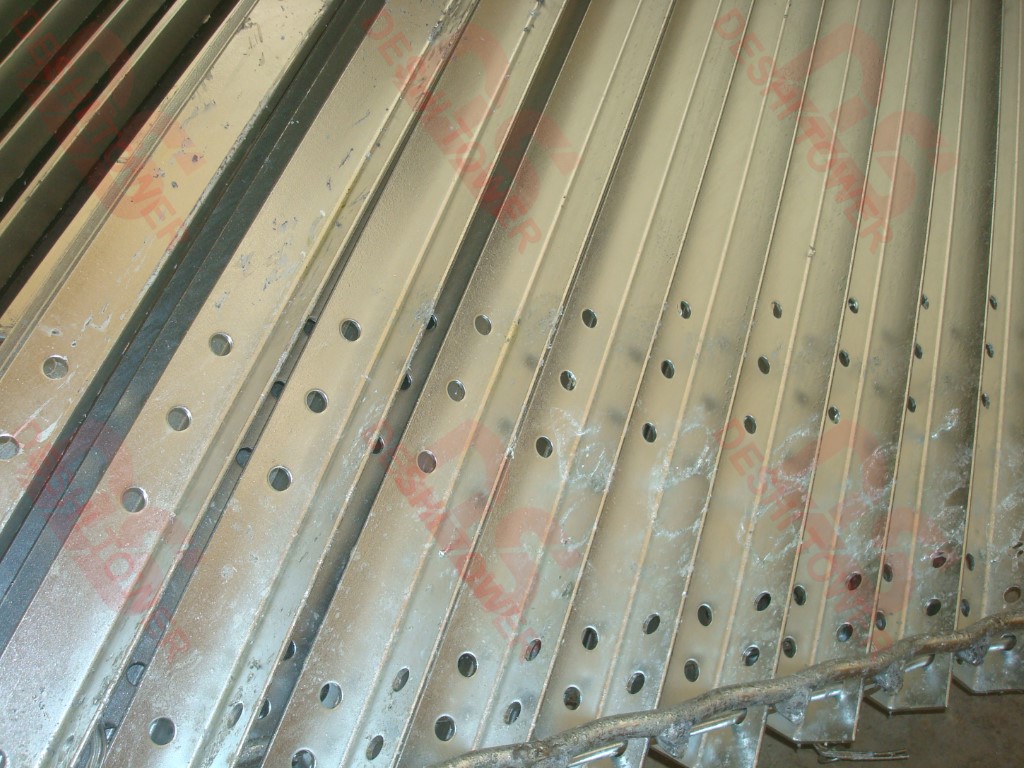
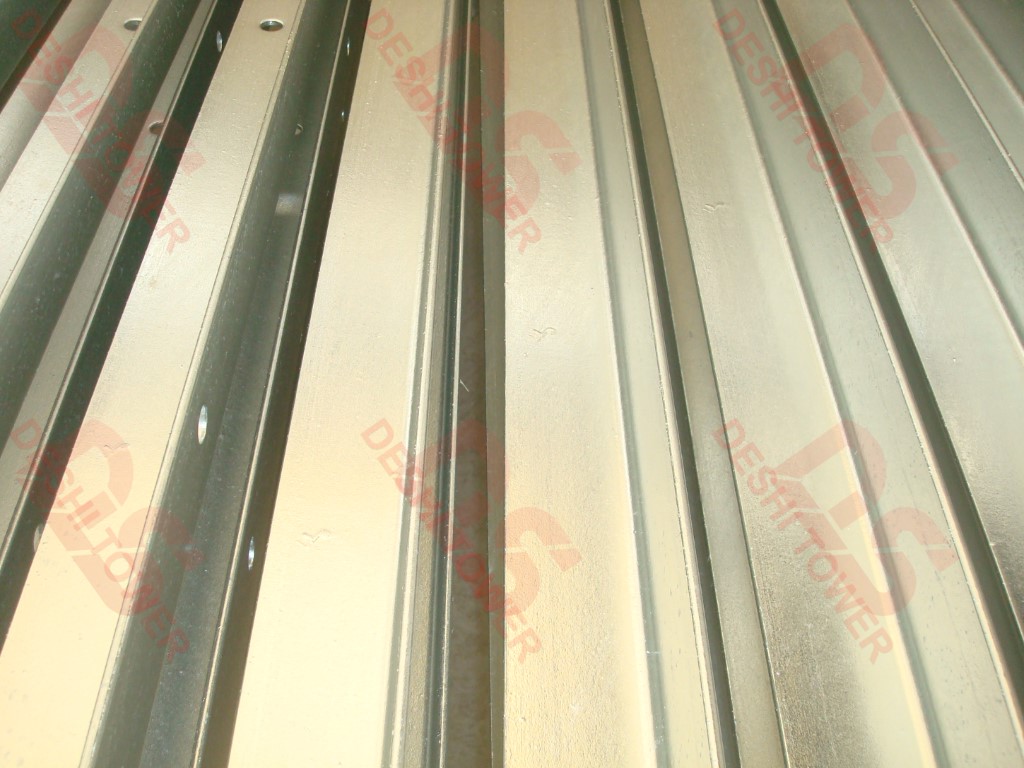
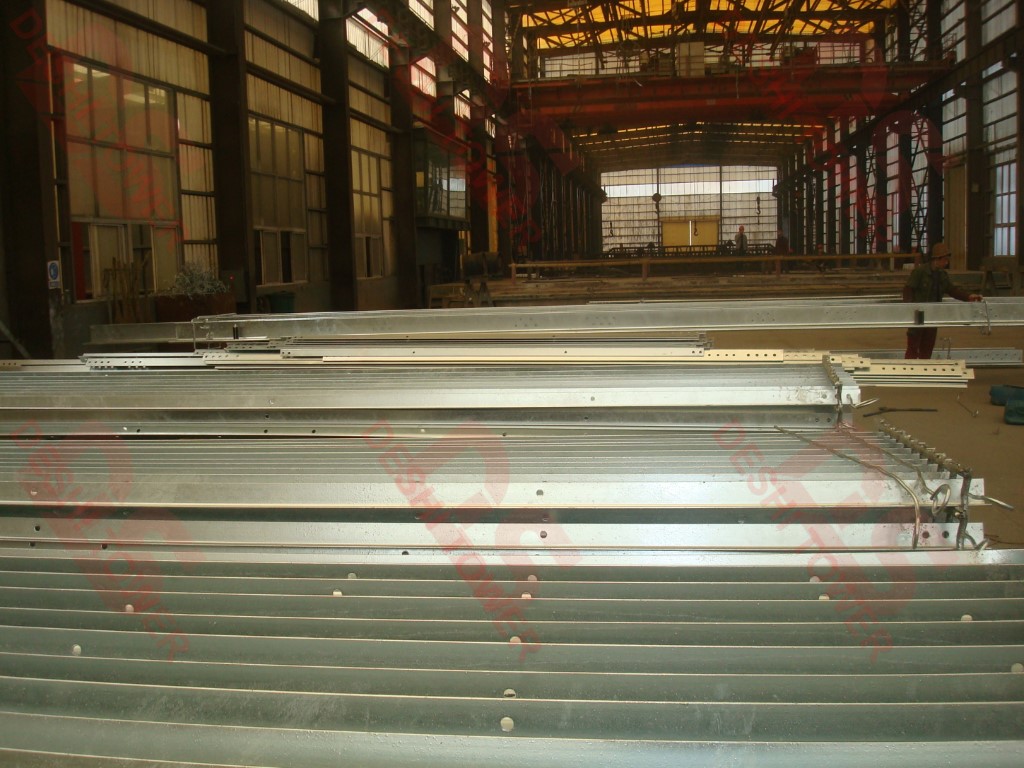
An internet antenna tower, also known as a wireless internet tower or Wi-Fi tower, is a structure used to provide wireless internet access to users within a specific geographic area. These towers play a crucial role in extending broadband internet connectivity to rural and underserved communities, as well as providing Wi-Fi coverage in urban areas.
Key features of internet antenna towers include:
- Wireless Internet Access: Internet antenna towers transmit internet signals wirelessly to users within their coverage area. These towers are typically connected to a high-speed internet backbone via fiber optic cables or other high-capacity data connections.
- Coverage Area: Internet antenna towers are strategically placed to provide coverage over specific geographic areas, including rural communities, suburban neighborhoods, and urban centers. The coverage area of a tower depends on factors such as tower height, antenna configuration, and signal propagation characteristics.
- Antenna Systems: Internet antenna towers are equipped with antenna systems that transmit and receive internet signals to and from user devices. These antenna systems may include directional antennas, omni-directional antennas, or sector antennas, depending on the coverage area and user density.
- Tower Height and Configuration: The height and configuration of internet antenna towers vary depending on factors such as terrain, signal propagation requirements, and local regulations. Taller towers may be used in rural areas to provide coverage over longer distances, while shorter towers or small cells may be deployed in urban areas to increase network capacity.
- Backhaul Connectivity: Internet antenna towers require backhaul connectivity to connect to the internet backbone and other network infrastructure. Backhaul connections typically utilize fiber optic cables, microwave links, or other high-speed data connections to transport internet traffic between the tower and the network core.
- Power Supply: Internet antenna towers require a reliable power supply to operate continuously. Towers are typically connected to the electrical grid, but backup power sources such as batteries or generators may be installed to ensure uninterrupted service during power outages.
- Regulatory Compliance: The deployment of internet antenna towers is subject to regulatory approval and compliance with local zoning regulations, environmental requirements, and safety standards. Wireless internet providers must obtain permits and approvals from regulatory authorities before constructing or modifying antenna towers.
- Network Management and Optimization: Internet service providers continually optimize their antenna tower networks to improve coverage, capacity, and performance for users. This includes monitoring network traffic, adjusting antenna configurations, and deploying additional towers or small cells in areas with high demand.
Internet antenna towers are essential for extending broadband internet access to communities that are underserved or lacking in traditional wired internet infrastructure. By providing wireless internet connectivity, these towers help bridge the digital divide and enable access to essential online services, education, and economic opportunities.
| Product | internet antenna tower |
| Shape | lattice |
| Material | Normally Q345B/A572, Minimum Yield Strength ≥ 345 N/mm² Q235B/A36, Minimum Yield Strength ≥ 235 N/mm². OR Q420 Q460 ASTM A572 GR65, GR50, SS400 |
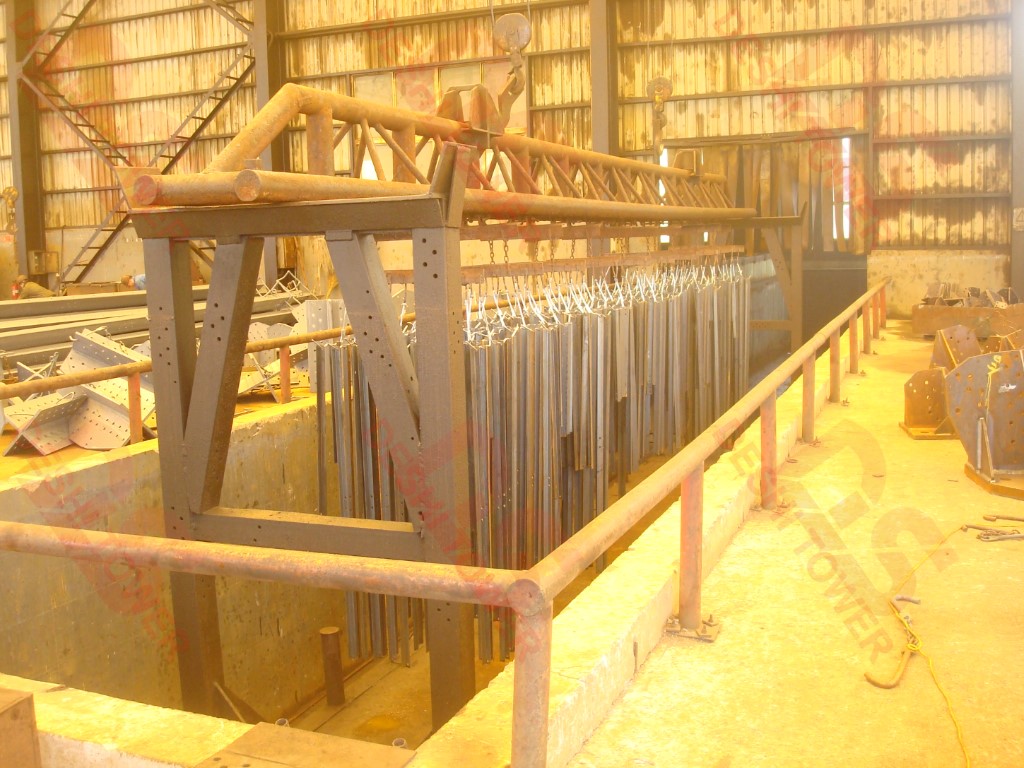
| Surface treatment | Hot dip galvanized Following ASTM A 123, BS729 or as client required. |
| connection | bolt connection |
| Standard | ISO 9001:2008 |
| Height: | 20 ft, 25 ft, 30 ft, 40 ft, 50 ft, 60 ft, 70 ft, 75 ft, 80 ft, 100 ft, 200 ft, 500 ft, 600 ft, etc. |
| Surface treatment: | galvanization and color painted |
| Welding Standard | AWS (American Welding Society ) D 1.1 |
| Production Process | Raw material test → Cutting →Welding →Hole drilling →Dimension verify →sample assemble → surface clean→ Galvanization or powder coating ,painting →Recalibration →Packages |
| Packages | Packing with plastic paper, steel box or according to client’s request. |
Deshi Tower specializes in the design, manufacture, and construction support of transmission towers, internet antenna towers, steel structures, and observation towers.
Transmission tower design adheres to ASCE/SEI standards. internet antenna tower design follows ANSI/TIA-222 standards. We are not just manufacturers and suppliers, but also your technical support and partners.

If you need professional product quotations, technical & construction support, please email to us or submit the following sheet, we will contact you in 24 hours and pls check your emailbox. Your connection information will just be known by ourselves.