- Provide global users with the design, manufacturing, supply, and installation of steel towers and structures.

-
Weifang ,Shandong,P.R.C
-
-
mobile signal tower
Self-Supporting Towers
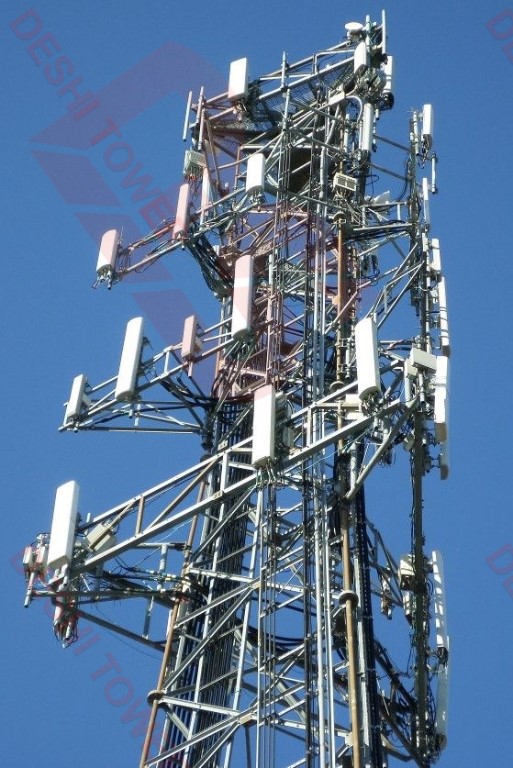
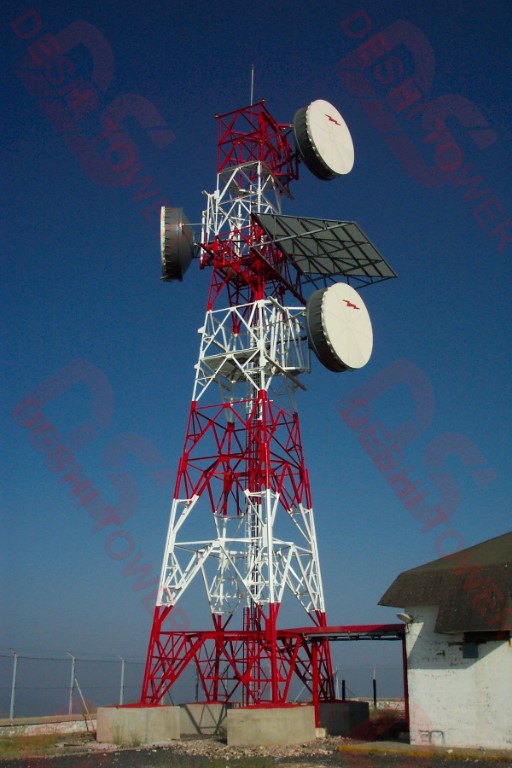
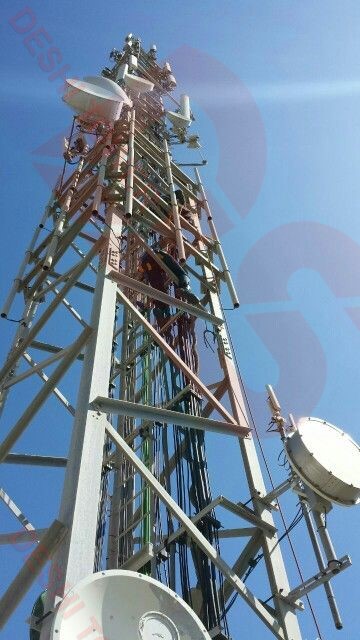
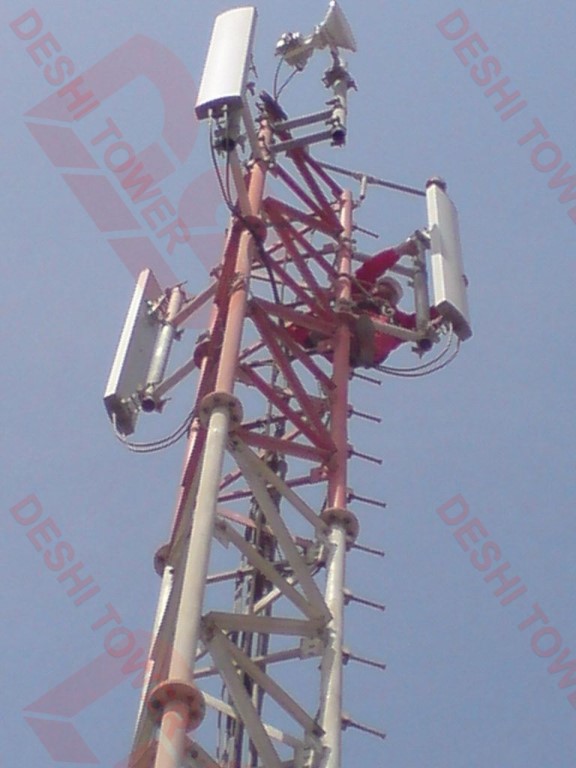
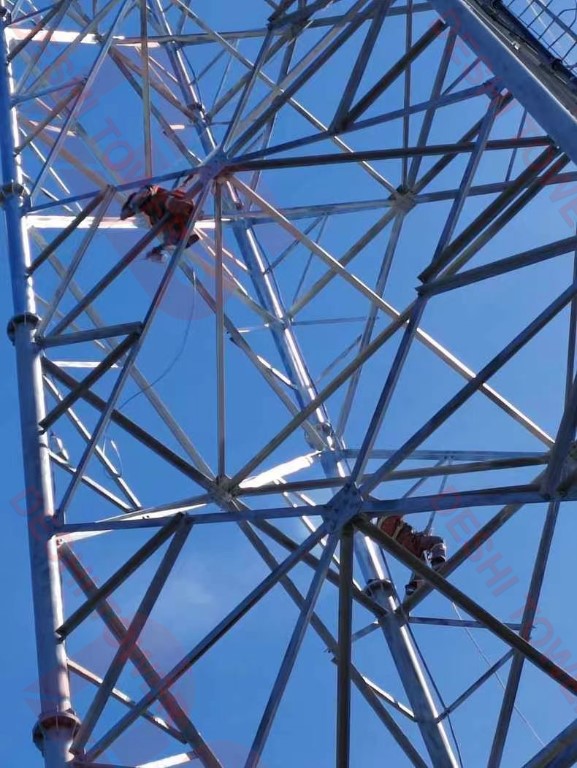
A “mobile signal tower” is a crucial element of modern telecommunications infrastructure, designed to enhance mobile network coverage and capacity in areas with high demand or limited connectivity. Also known as mobile signal boosters or repeaters, these towers are deployed to improve signal strength and reliability for mobile devices such as smartphones, tablets, and mobile hotspots.
Mobile signal towers consist of antennas and amplifiers that receive, boost, and retransmit cellular signals within their coverage area. They are often deployed in areas where the natural terrain, buildings, or other obstructions may degrade signal quality, leading to dropped calls, slow data speeds, or unreliable connectivity.
These towers can be installed on existing structures such as buildings or utility poles, or they may be standalone structures erected specifically for signal enhancement purposes. They work by capturing existing signals from nearby cell towers, amplifying them, and then broadcasting the amplified signals to improve coverage and performance for mobile users within their vicinity.
Mobile signal towers are particularly valuable in rural areas, urban canyons, and indoor spaces where cellular signals may struggle to penetrate effectively. By boosting signal strength and reliability, they help ensure that mobile users can stay connected and access essential services such as voice calls, text messaging, and internet connectivity.
Due to regulatory considerations and technical requirements, the deployment of mobile signal towers requires careful planning and coordination with mobile network operators and regulatory authorities. Additionally, ongoing maintenance and monitoring are essential to ensure optimal performance and compliance with relevant regulations and standards.
Overall, mobile signal towers play a critical role in extending mobile network coverage and improving connectivity for users in areas where signal strength may be insufficient or unreliable. They contribute to a more seamless and reliable mobile communication experience, enhancing the accessibility and effectiveness of mobile services for individuals and businesses alike.
| Product | mobile signal tower |
| Shape | lattice |
| Material | Normally Q345B/A572, Minimum Yield Strength ≥ 345 N/mm² Q235B/A36, Minimum Yield Strength ≥ 235 N/mm². OR Q420 Q460 ASTM A572 GR65, GR50, SS400 |
| Surface treatment | Hot dip galvanized Following ASTM A 123, BS729 or as client required. |
| connection | bolt connection |
| Standard | ISO 9001:2008 |
| Height: | 20 ft, 25 ft, 30 ft, 40 ft, 50 ft, 60 ft, 70 ft, 75 ft, 80 ft, 100 ft, 200 ft, 500 ft, 600 ft, etc. |
| Surface treatment: | galvanization and color painted |
| Welding Standard | AWS (American Welding Society ) D 1.1 |
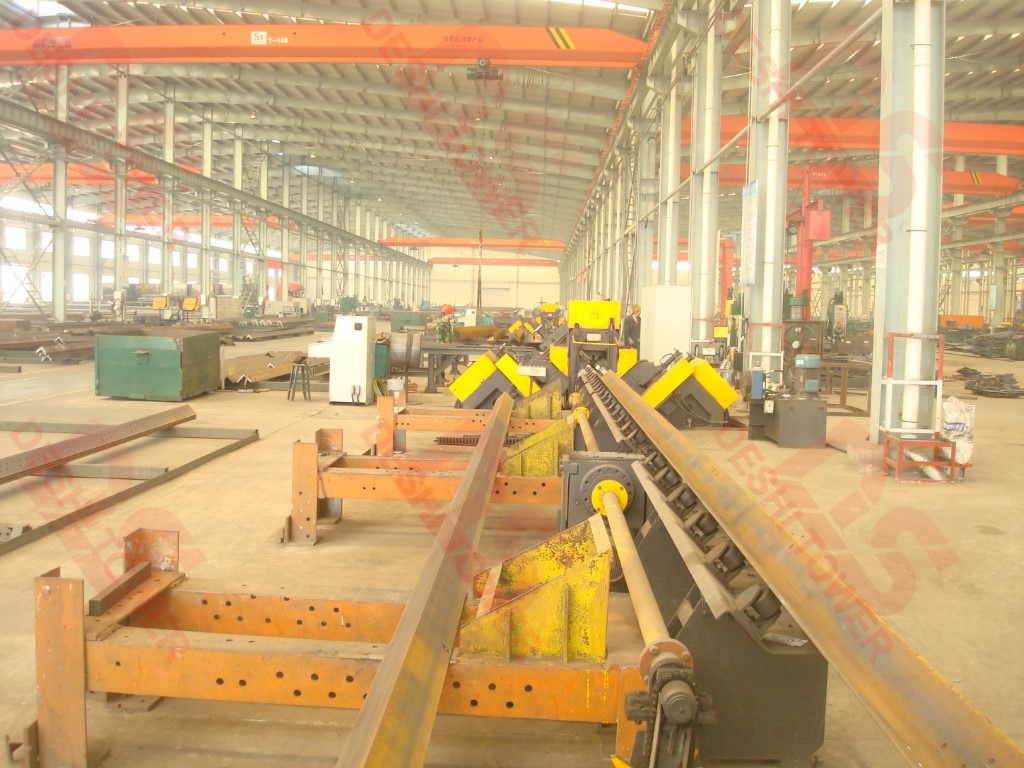
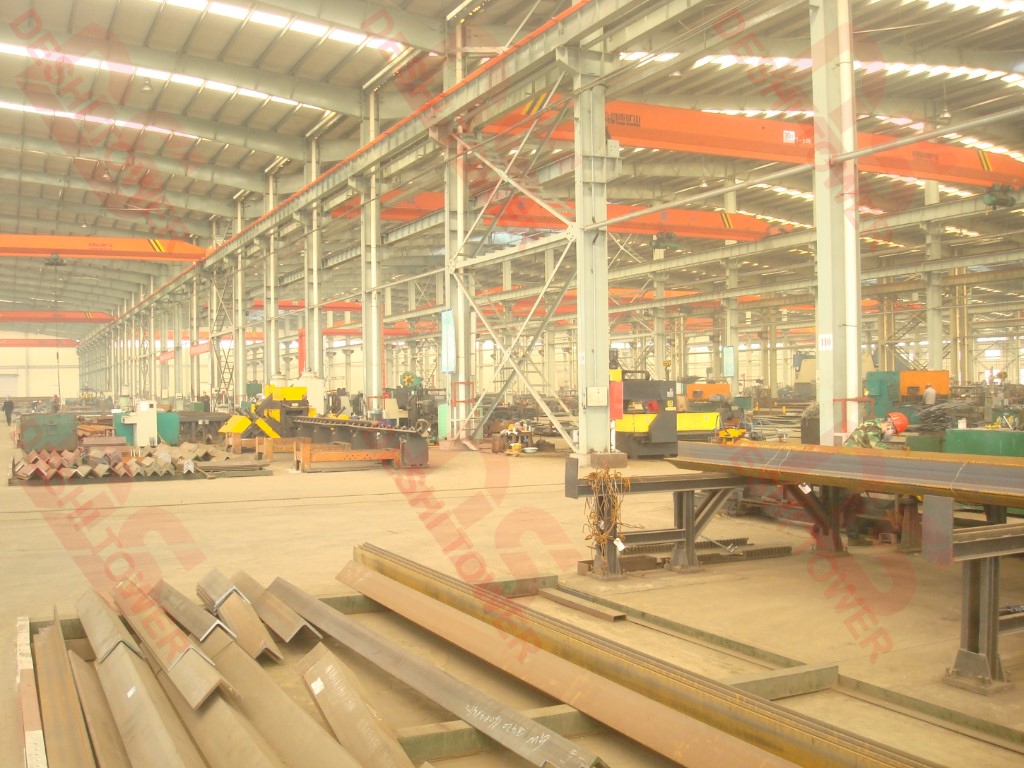
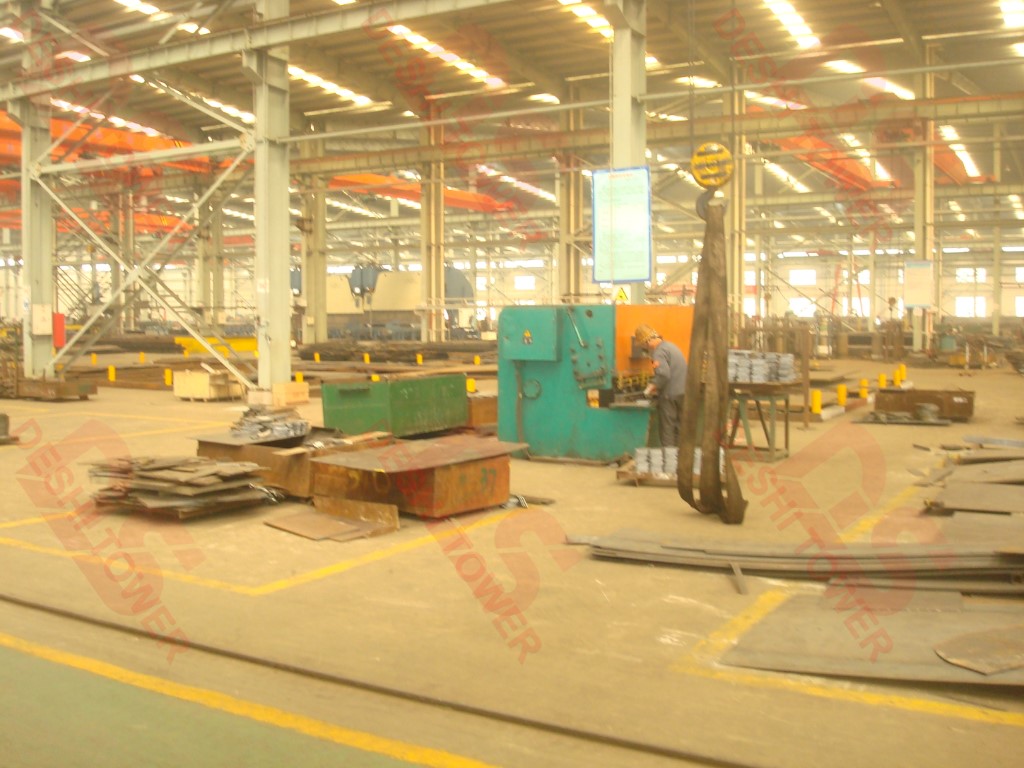
| Production Process | Raw material test → Cutting →Welding →Hole drilling →Dimension verify →sample assemble → surface clean→ Galvanization or powder coating ,painting →Recalibration →Packages |
| Packages | Packing with plastic paper, steel box or according to client’s request. |
Deshi Tower specializes in the design, manufacture, and construction support of transmission towers, Telecommunications Tower, steel structures, and observation towers.
Transmission tower design adheres to ASCE/SEI standards. Telecommunications Tower design follows ANSI/TIA-222 standards. We are not just manufacturers and suppliers, but also your technical support and partners.

If you need professional product quotations, technical & construction support, please email to us or submit the following sheet, we will contact you in 24 hours and pls check your emailbox. Your connection information will just be known by ourselves.