- Provide global users with the design, manufacturing, supply, and installation of steel towers and structures.

-
Weifang ,Shandong,P.R.C
-
-
navy microwave tower
Self-Supporting Towers

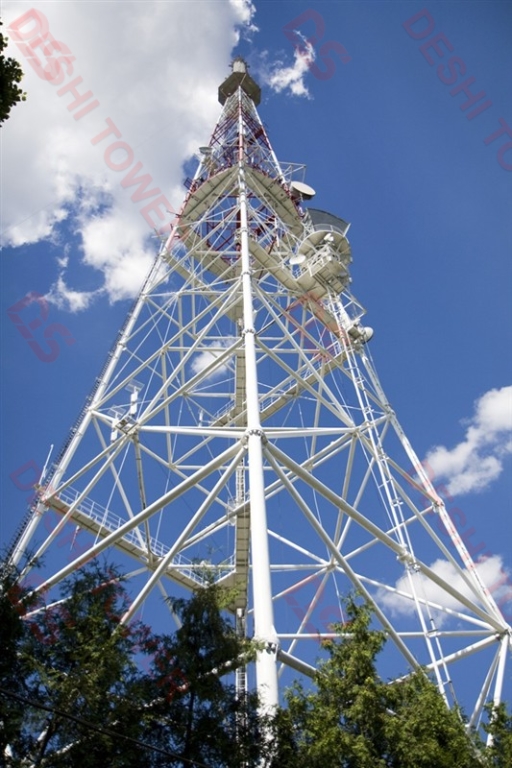
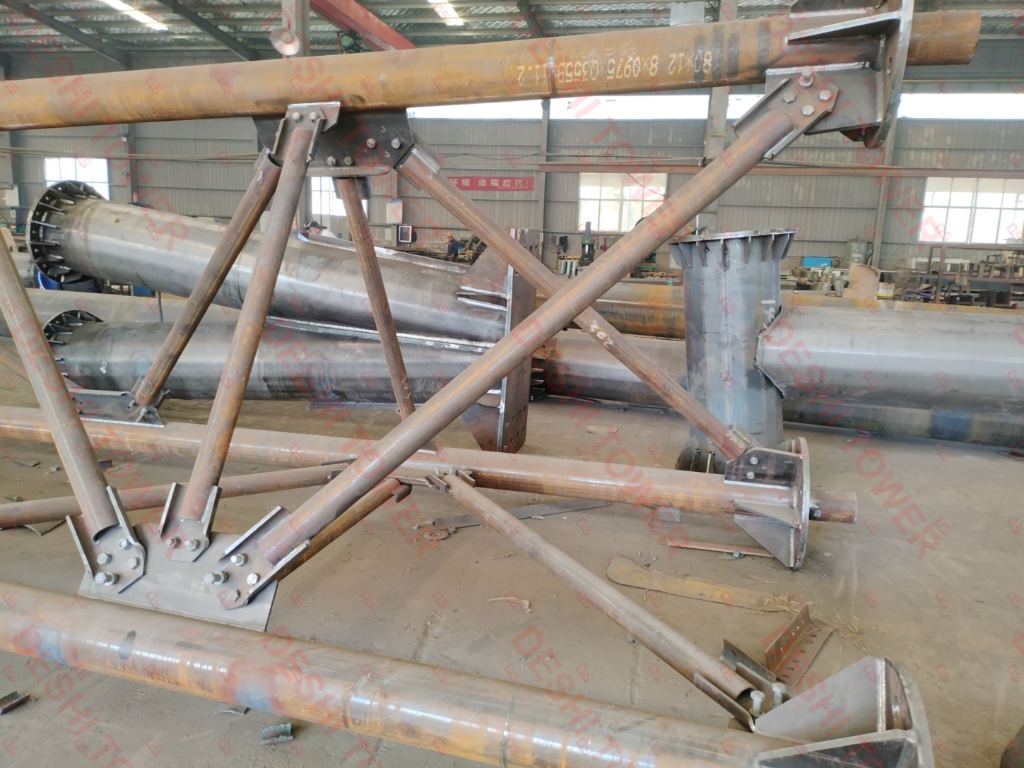
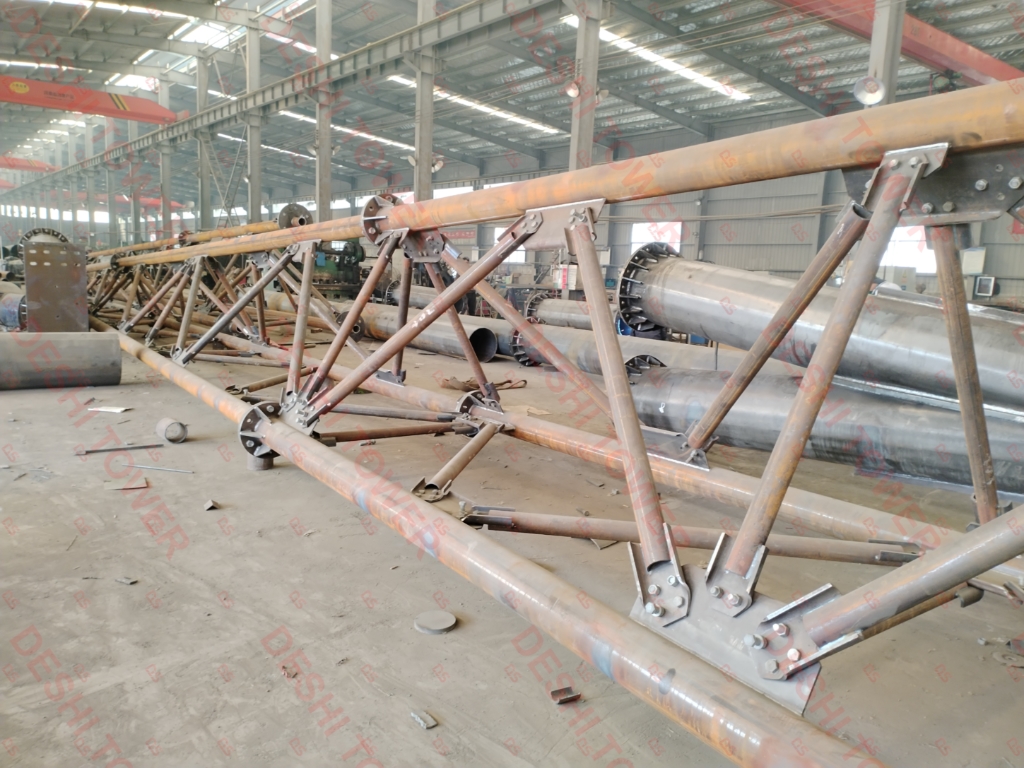
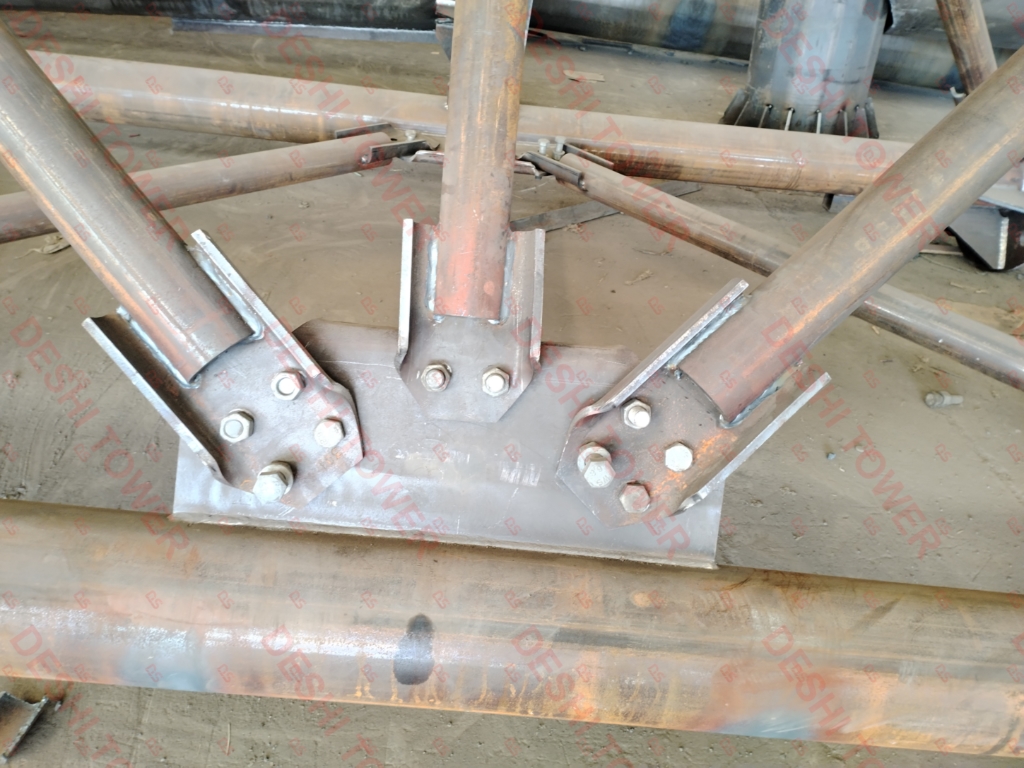

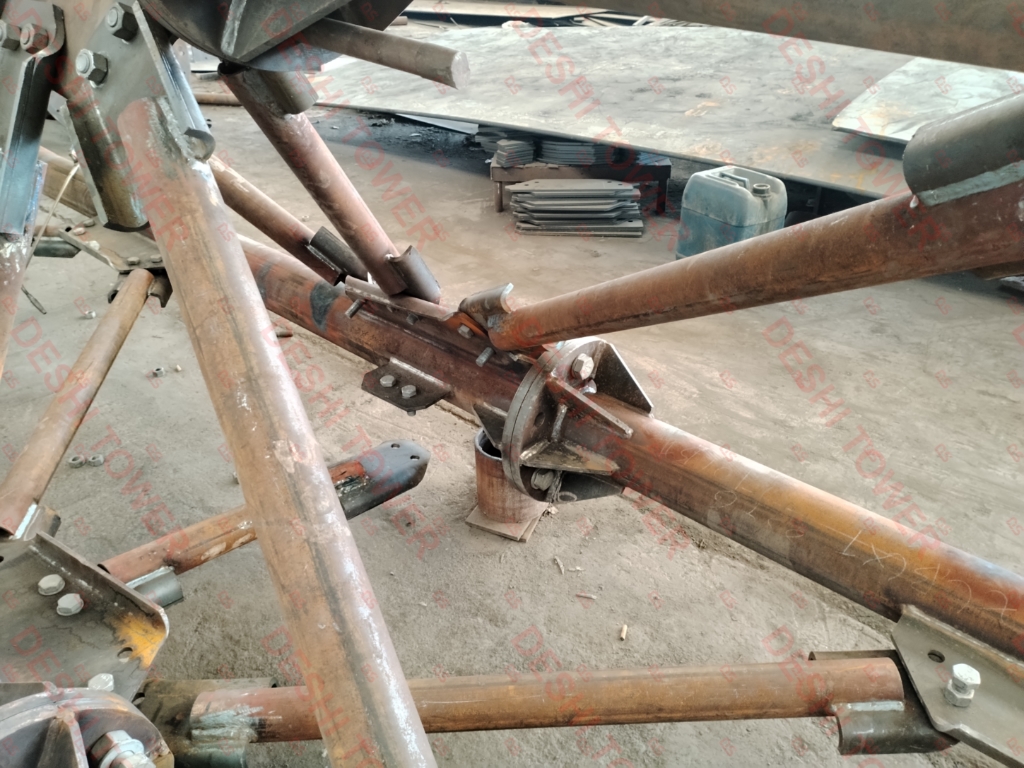
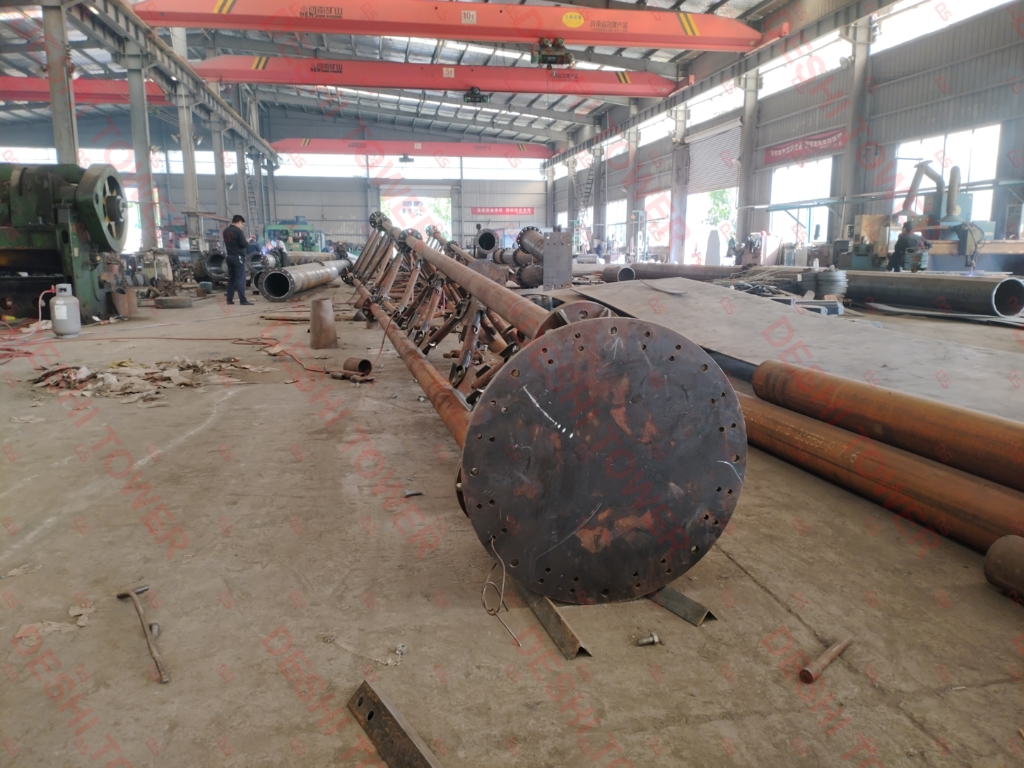
A navy microwave tower, also known as a naval microwave tower, is a specialized communication tower used by naval forces for various purposes, including secure and reliable communication over long distances. These towers employ microwave technology to transmit and receive signals, enabling communication between naval vessels, shore stations, and other military installations.
Characteristics of Navy Microwave Towers
- High Reliability: Navy microwave towers are built to withstand harsh maritime environments, including saltwater corrosion, high winds, and extreme weather conditions. They are constructed using durable materials and designed to ensure reliable operation even in challenging circumstances.
- Long-Distance Communication: Microwave towers utilize microwave frequencies to transmit signals over long distances, making them suitable for establishing communication links between naval assets operating at sea and shore-based command centers. These towers enable real-time communication and coordination essential for naval operations.
- Secure Communication: Security is paramount in naval communications, and microwave towers are equipped with encryption and authentication mechanisms to ensure the confidentiality and integrity of transmitted data. This ensures that sensitive information remains protected from interception or tampering by unauthorized entities.
- Integration with Naval Networks: Navy microwave towers are integrated into broader naval communication networks, including satellite communication systems, radio networks, and data networks. They serve as critical infrastructure nodes, providing connectivity and interoperability across various communication platforms.
- Redundancy and Resilience: To maintain communication continuity, navy microwave towers often feature redundant systems and backup power sources. This redundancy ensures that communication links remain operational even in the event of equipment failure or power outages, enhancing overall network resilience.
Functions of Navy Microwave Towers
- Ship-to-Shore Communication: Navy microwave towers facilitate communication between naval vessels and shore-based command centers, enabling the exchange of vital information, orders, and intelligence in real time.
- Fleet Coordination: These towers support fleet coordination and tactical maneuvering by providing commanders with the means to communicate effectively with deployed assets, coordinate naval operations, and respond rapidly to changing situations.
- Data Transmission: Navy microwave towers enable the transmission of various types of data, including voice, video, and telemetry, essential for situational awareness, surveillance, and reconnaissance activities conducted by naval forces.
- Interoperability: By integrating with other communication systems and platforms, navy microwave towers contribute to interoperability between naval forces and allied military units, enhancing joint operations and coalition efforts.
Importance
Navy microwave towers are critical components of naval communication infrastructure, enabling secure and reliable communication capabilities essential for maritime operations. They play a vital role in supporting naval missions, ensuring effective command and control, and maintaining situational awareness across vast maritime domains.
In summary, navy microwave towers provide the backbone for naval communication networks, facilitating seamless communication between naval assets and supporting mission success in diverse maritime environments. Their reliability, security, and long-distance capabilities make them indispensable assets for modern naval forces.
| Product | navy microwave tower |
| Shape | lattice |
| Material | Normally Q345B/A572, Minimum Yield Strength ≥ 345 N/mm² Q235B/A36, Minimum Yield Strength ≥ 235 N/mm². OR Q420 Q460 ASTM A572 GR65, GR50, SS400 |
| Surface treatment | Hot dip galvanized Following ASTM A 123, BS729 or as client required. |
| connection | bolt connection |
| Standard | ISO 9001:2008 |
| Height: | 20 ft, 25 ft, 30 ft, 40 ft, 50 ft, 60 ft, 70 ft, 75 ft, 80 ft, 100 ft, 200 ft, 500 ft, 600 ft, etc. |
| Surface treatment: | galvanization and color painted |
| Welding Standard | AWS (American Welding Society ) D 1.1 |
| Production Process | Raw material test → Cutting →Welding →Hole drilling →Dimension verify →sample assemble → surface clean→ Galvanization or powder coating ,painting →Recalibration →Packages |
| Packages | Packing with plastic paper, steel box or according to client’s request. |
Deshi Tower specializes in the design, manufacture, and construction support of transmission towers, navy microwave tower, steel structures, and observation towers.
Transmission tower design adheres to ASCE/SEI standards. navy microwave tower design follows ANSI/TIA-222 standards. We are not just manufacturers and suppliers, but also your technical support and partners.

If you need professional product quotations, technical & construction support, please email to us or submit the following sheet, we will contact you in 24 hours and pls check your emailbox. Your connection information will just be known by ourselves.