- Provide global users with the design, manufacturing, supply, and installation of steel towers and structures.

-
Weifang ,Shandong,P.R.C
-
-
phone cell tower
Self-Supporting Towers

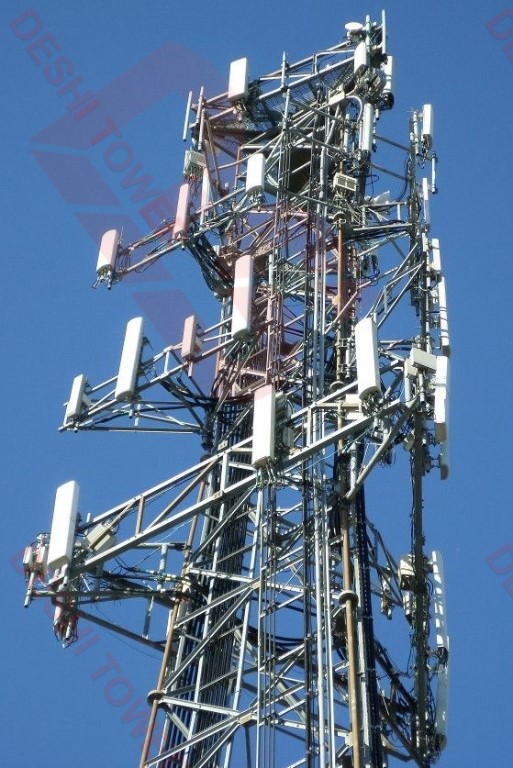
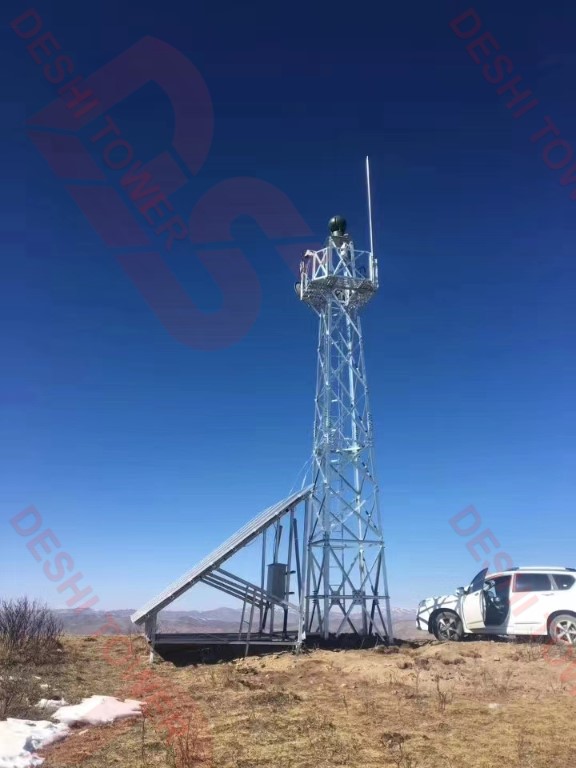
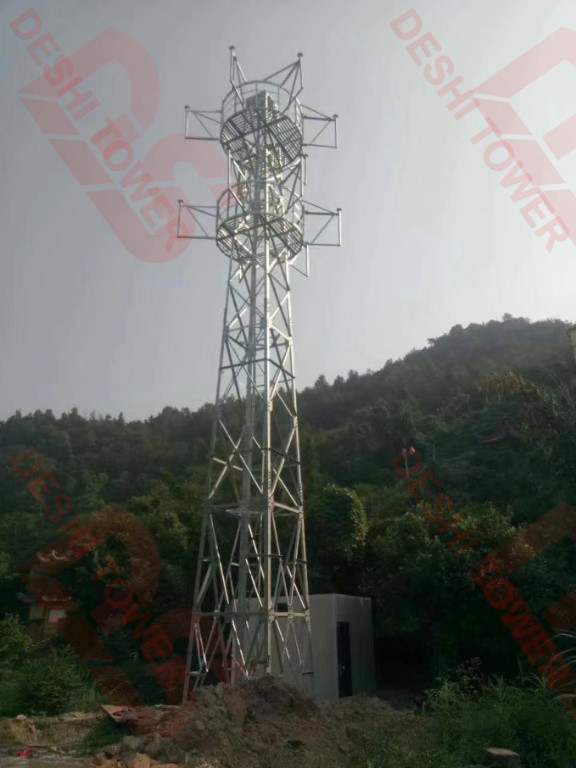

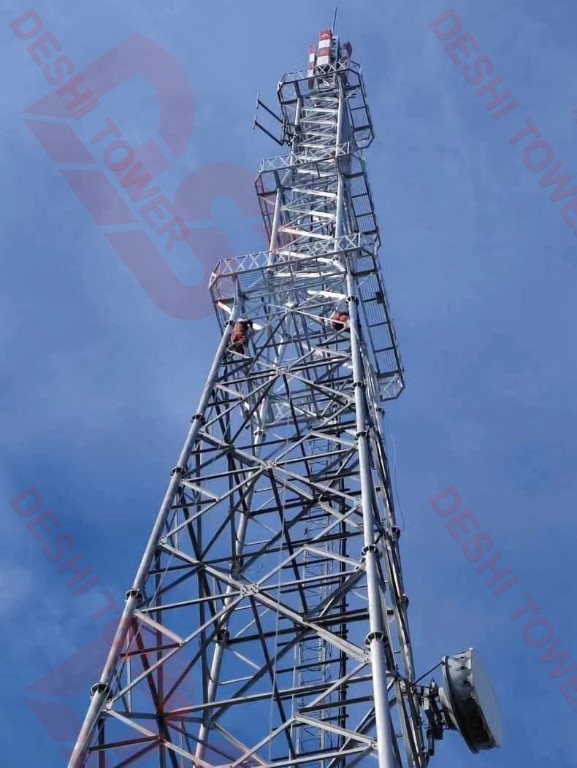

A phone cell tower, often simply referred to as a cell tower or mobile tower, is a structure used to facilitate wireless communication between mobile devices such as smartphones, tablets, and other cellular-enabled devices. These towers are a key component of cellular networks, providing the infrastructure necessary for transmitting and receiving voice calls, text messages, and data.
Cell towers are typically equipped with antennas and transmitters/receivers that allow them to communicate with mobile devices within their coverage area. When a mobile device connects to a cellular network, it establishes a communication link with the nearest cell tower, which then relays the signals to the appropriate destination, whether it’s another mobile device within the same network or a landline phone.
The primary functions of cell towers include:
- Signal Transmission and Reception: Cell towers transmit signals to mobile devices within their coverage area and receive signals from those devices, enabling two-way communication between mobile users.
- Cellular Network Handoff: As mobile devices move within the coverage area or between different coverage areas served by adjacent towers, cell towers manage the seamless handoff of communication, ensuring uninterrupted connectivity without dropping calls or losing data connections.
- Data Routing and Network Management: Cell towers play a role in routing data traffic between mobile devices and the broader cellular network infrastructure, including switching centers, data centers, and the internet, facilitating the exchange of information between users and services.
- Capacity Management: Cell towers help manage network capacity by balancing the load of connected devices and optimizing resources to ensure efficient use of available bandwidth, especially during peak usage periods.
Cell towers are strategically deployed based on factors such as population density, geographic terrain, and network coverage objectives. In urban areas with high user density, towers are typically more closely spaced to accommodate the greater demand for cellular services, while in rural or remote areas, towers may be fewer in number but cover larger geographic areas.
Maintaining and operating cell towers involves ongoing monitoring, maintenance, and occasional upgrades to ensure optimal performance and reliability. This includes tasks such as equipment inspections, antenna alignment, power supply management, and compliance with regulatory standards for electromagnetic radiation and environmental impact.
Overall, cell towers are essential infrastructure elements that enable mobile communication networks to function, supporting the widespread availability of wireless connectivity for individuals and businesses around the world.
| Product | phone cell tower |
| Shape | lattice |
| Material | Normally Q345B/A572, Minimum Yield Strength ≥ 345 N/mm² Q235B/A36, Minimum Yield Strength ≥ 235 N/mm². OR Q420 Q460 ASTM A572 GR65, GR50, SS400 |
| Surface treatment | Hot dip galvanized Following ASTM A 123, BS729 or as client required. |
| connection | bolt connection |
| Standard | ISO 9001:2008 |
| Height: | 20 ft, 25 ft, 30 ft, 40 ft, 50 ft, 60 ft, 70 ft, 75 ft, 80 ft, 100 ft, 200 ft, 500 ft, 600 ft, etc. |
| Surface treatment: | galvanization and color painted |
| Welding Standard | AWS (American Welding Society ) D 1.1 |
| Production Process | Raw material test → Cutting →Welding →Hole drilling →Dimension verify →sample assemble → surface clean→ Galvanization or powder coating ,painting →Recalibration →Packages |
| Packages | Packing with plastic paper, steel box or according to client’s request. |
Deshi Tower specializes in the design, manufacture, and construction support of transmission towers, phone cell towers, steel structures, and observation towers.
Transmission tower design adheres to ASCE/SEI standards. phone cell tower design follows ANSI/TIA-222 standards. We are not just manufacturers and suppliers, but also your technical support and partners.

If you need professional product quotations, technical & construction support, please email to us or submit the following sheet, we will contact you in 24 hours and pls check your emailbox. Your connection information will just be known by ourselves.