- Provide global users with the design, manufacturing, supply, and installation of steel towers and structures.

-
Weifang ,Shandong,P.R.C
-
-
radio broadcast tower
Self-Supporting Towers
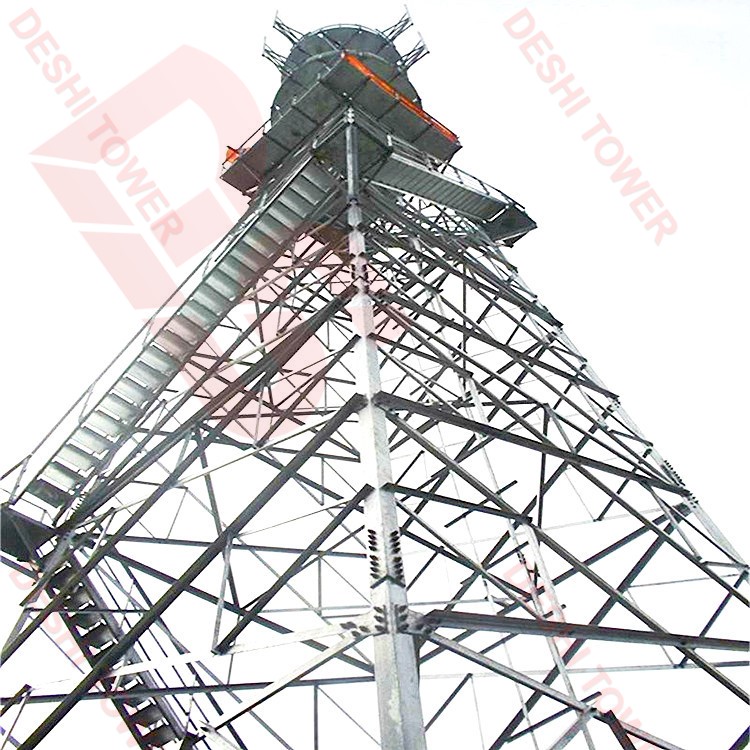



A radio broadcast tower is a critical infrastructure component used to transmit radio frequency (RF) signals over long distances to a wide audience. These towers play a vital role in delivering radio broadcasts, such as music, news, talk shows, and other audio content, to listeners’ radios in cars, homes, or portable devices. Here’s an outline of their key features and functions:
Functionality: Radio broadcast towers transmit electromagnetic waves that carry audio signals. These signals are typically modulated with information, like sound or data, allowing listeners to receive content on their radio receivers tuned to specific frequencies.
Coverage Area: The range or coverage area of a radio broadcast tower can vary significantly depending on several factors, including tower height, transmitter power, frequency, and geographic conditions. In general, higher towers and greater power outputs result in wider coverage.
Transmission Types: There are two primary types of radio transmission:
AM (Amplitude Modulation): Often used for long-range transmissions and talk radio. AM towers are typically larger and may consist of multiple elements to support different frequencies.
FM (Frequency Modulation): Typically used for music and has higher sound quality. FM towers tend to have smaller ranges compared to AM but can provide clearer sound.
Tower Components: A typical radio broadcast tower includes several key components:
Antenna: The part of the tower that transmits RF signals.
Transmitter: The equipment responsible for sending modulated signals to the antenna.
Feed Lines: Cables that connect the transmitter to the antenna.
Guy Wires: Sturdy cables that support tall towers, providing stability.
Tower Design: Radio broadcast towers can come in various forms, including lattice towers, guyed towers, and monopoles. The design depends on height, location, and safety requirements.
Location and Placement: The location of radio broadcast towers is critical to ensure the desired coverage area and minimize signal interference. Towers are often located on high ground or elevated structures to maximize their range.
Radio broadcast towers are essential for delivering audio content to a wide audience. They have played a significant role in shaping the radio industry, allowing broadcasters to reach listeners over large geographical areas, and remain a cornerstone of traditional broadcasting technology.
| Product | radio broadcast tower |
| Shape | lattice |
| Material | Normally Q345B/A572, Minimum Yield Strength ≥ 345 N/mm² Q235B/A36, Minimum Yield Strength ≥ 235 N/mm². OR Q420 Q460 ASTM A572 GR65, GR50, SS400 |
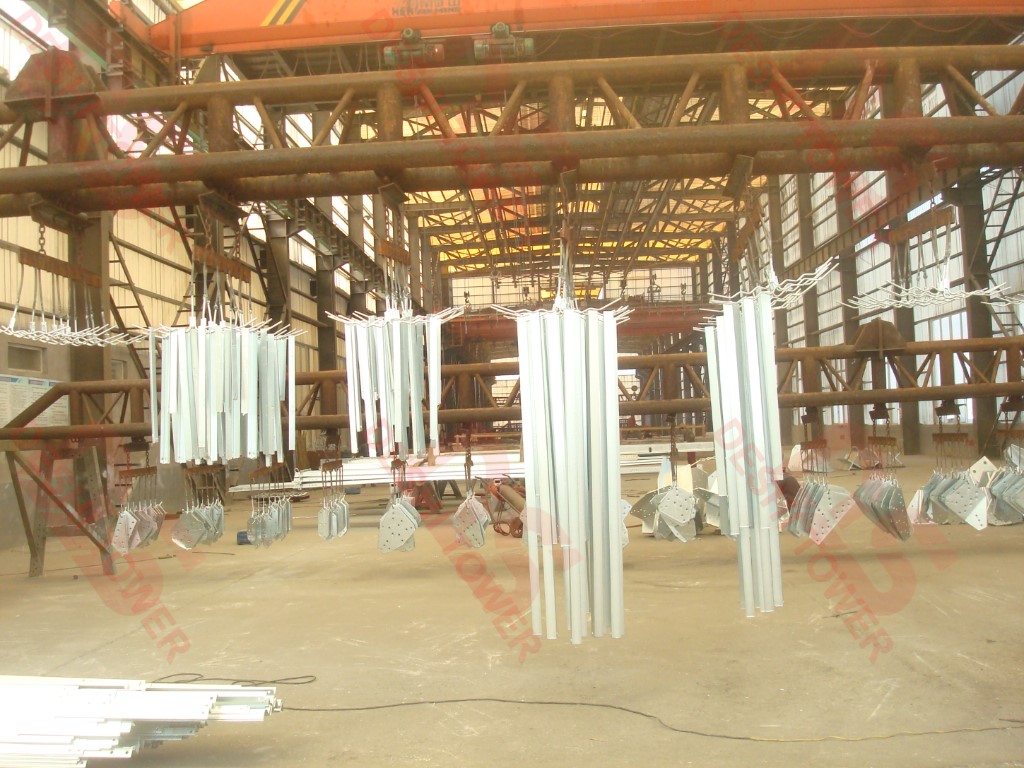
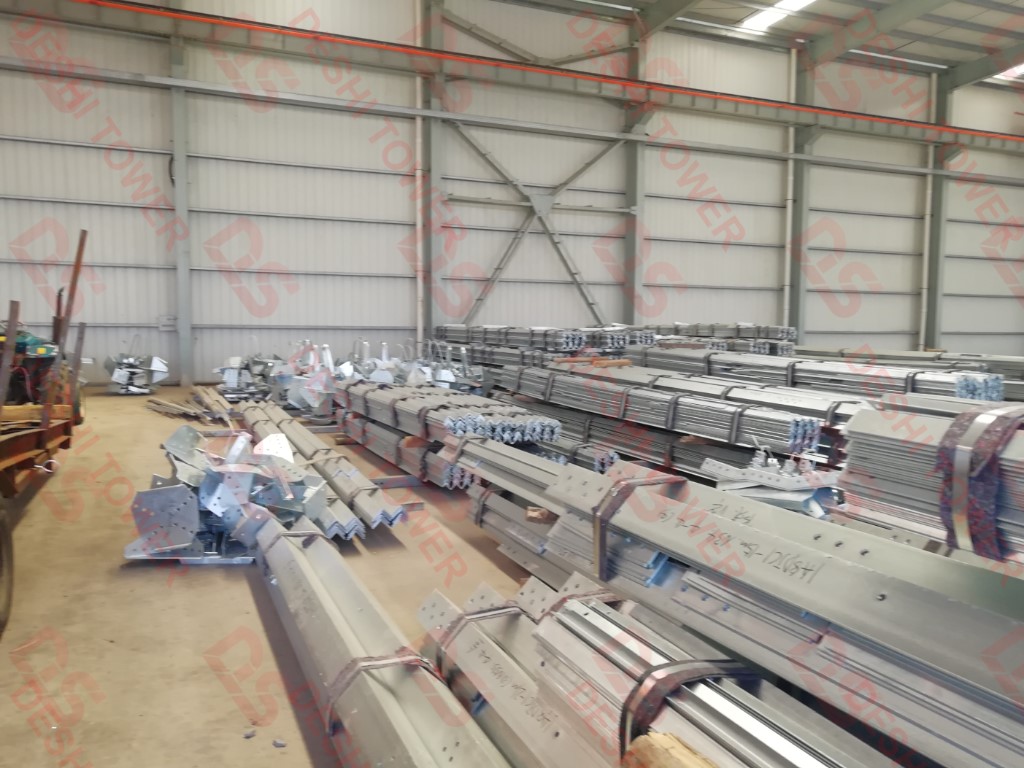
| Surface treatment | Hot dip galvanized Following ASTM A 123, BS729 or as client required. |
| connection | bolt connection |
| Standard | ISO 9001:2008 |
| Height: | 20 ft, 25 ft, 30 ft, 40 ft, 50 ft, 60 ft, 70 ft, 75 ft, 80 ft, 100 ft, 200 ft, 500 ft, 600 ft, etc. |
| Surface treatment: | galvanization and color painted |
| Welding Standard | AWS (American Welding Society ) D 1.1 |
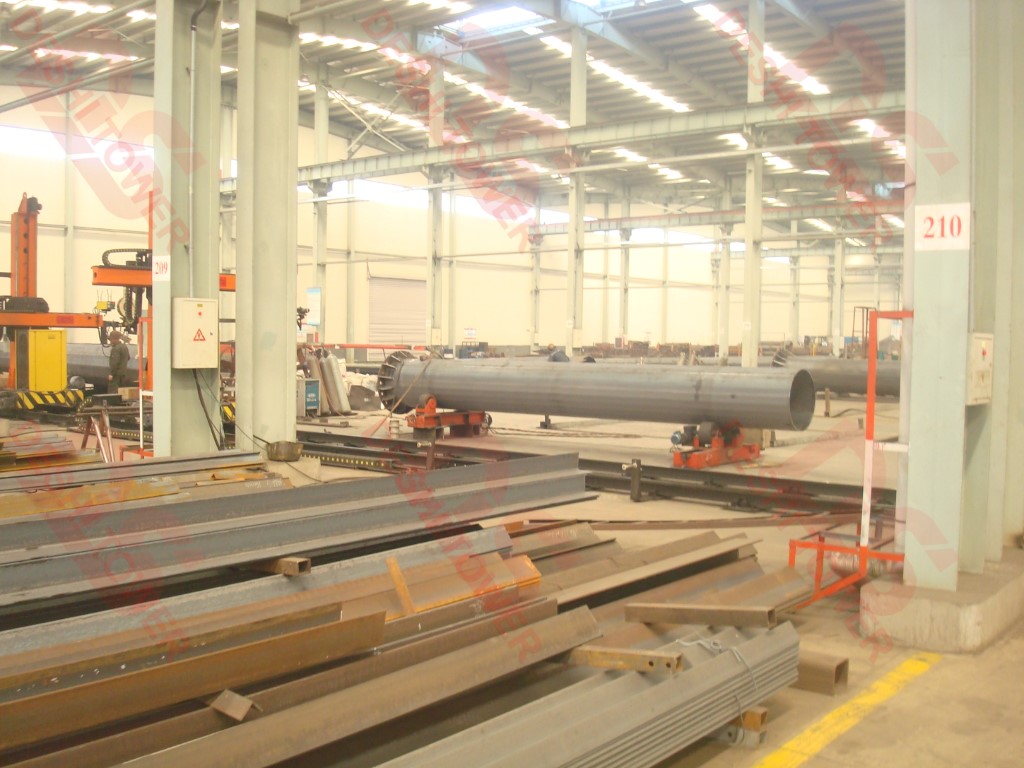
| Production Process | Raw material test → Cutting →Welding →Hole drilling →Dimension verify →sample assemble → surface clean→ Galvanization or powder coating ,painting →Recalibration →Packages |
| Packages | Packing with plastic paper, steel box or according to client’s request. |
Deshi Tower specializes in the design, manufacture, and construction support of transmission towers, radio broadcast towers, steel structures, and observation towers.
Transmission tower design adheres to ASCE/SEI standards. radio broadcast tower design follows ANSI/TIA-222 standards. We are not just manufacturers and suppliers, but also your technical support and partners.

If you need professional product quotations, technical & construction support, please email to us or submit the following sheet, we will contact you in 24 hours and pls check your emailbox. Your connection information will just be known by ourselves.