- Provide global users with the design, manufacturing, supply, and installation of steel towers and structures.

-
Weifang ,Shandong,P.R.C
-
-
satellite dish tower
Self-Supporting Towers
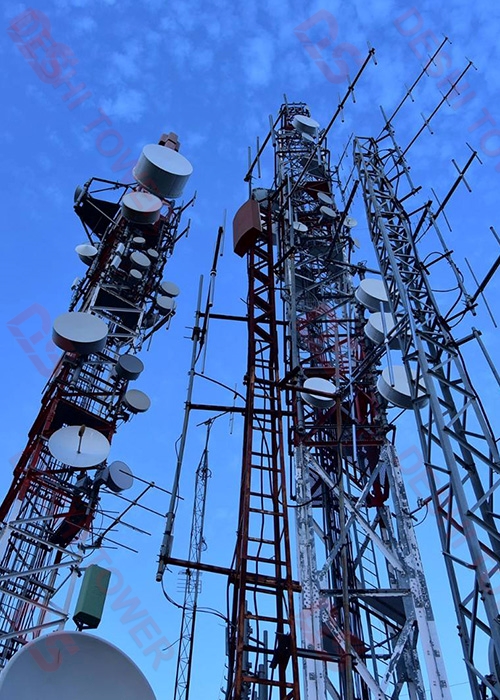
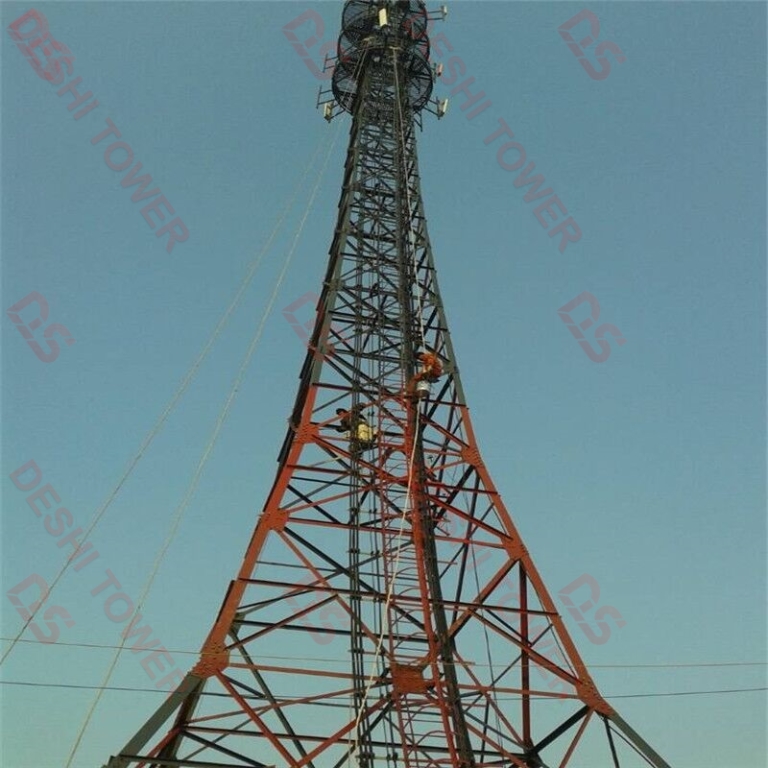

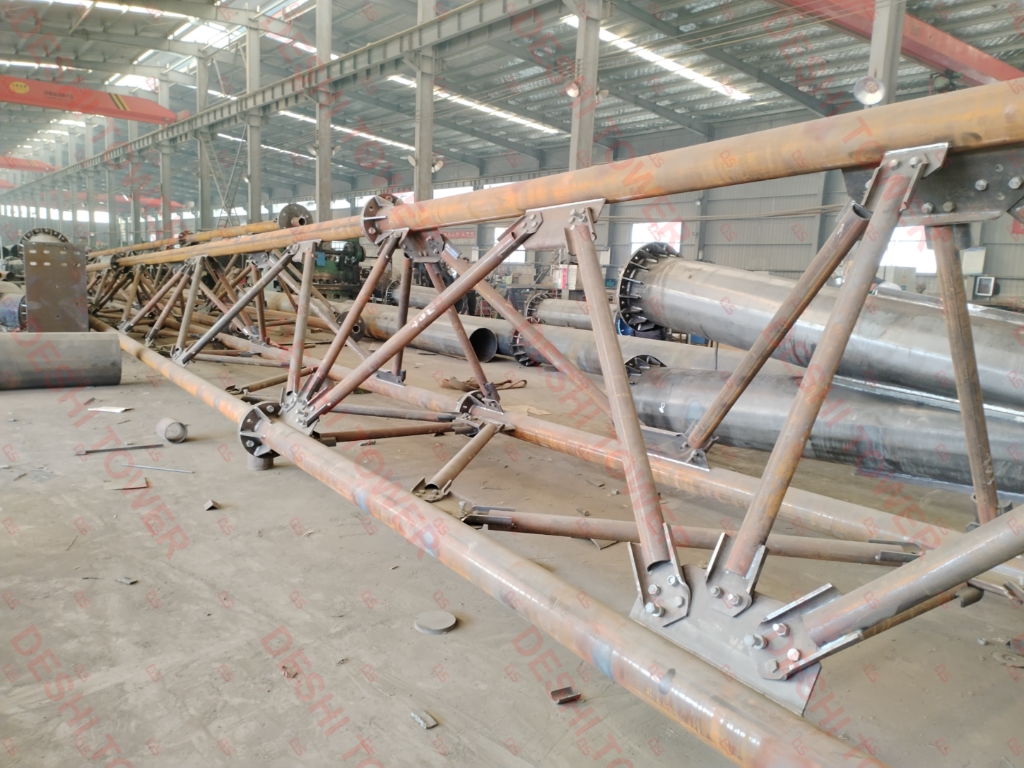
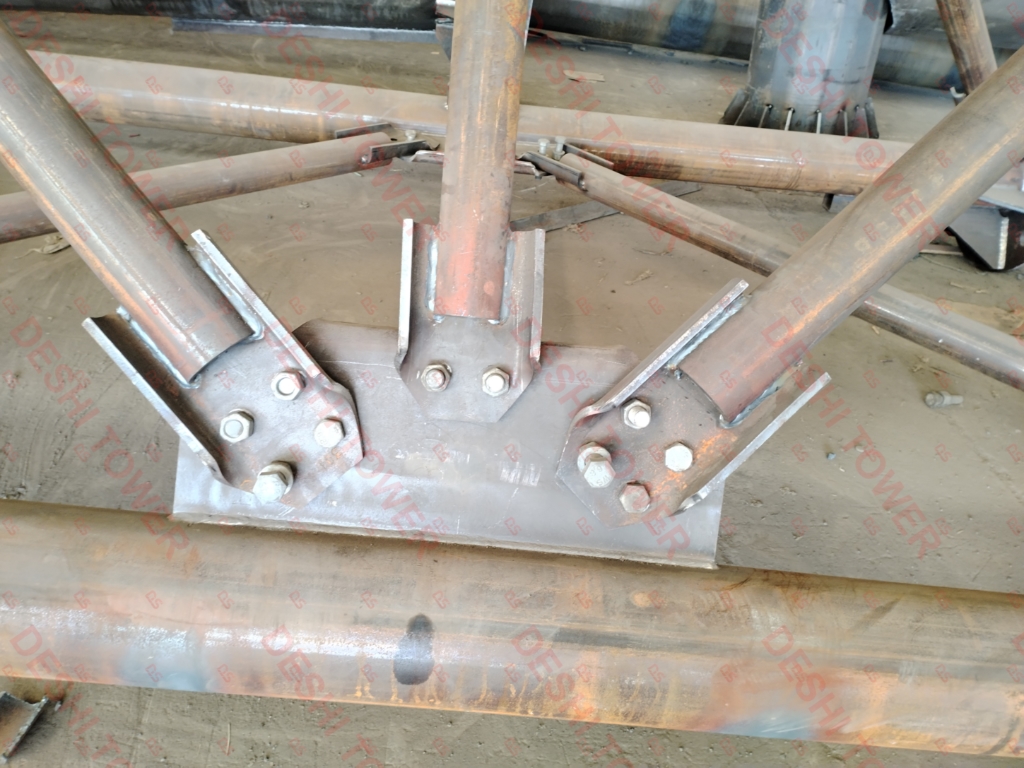
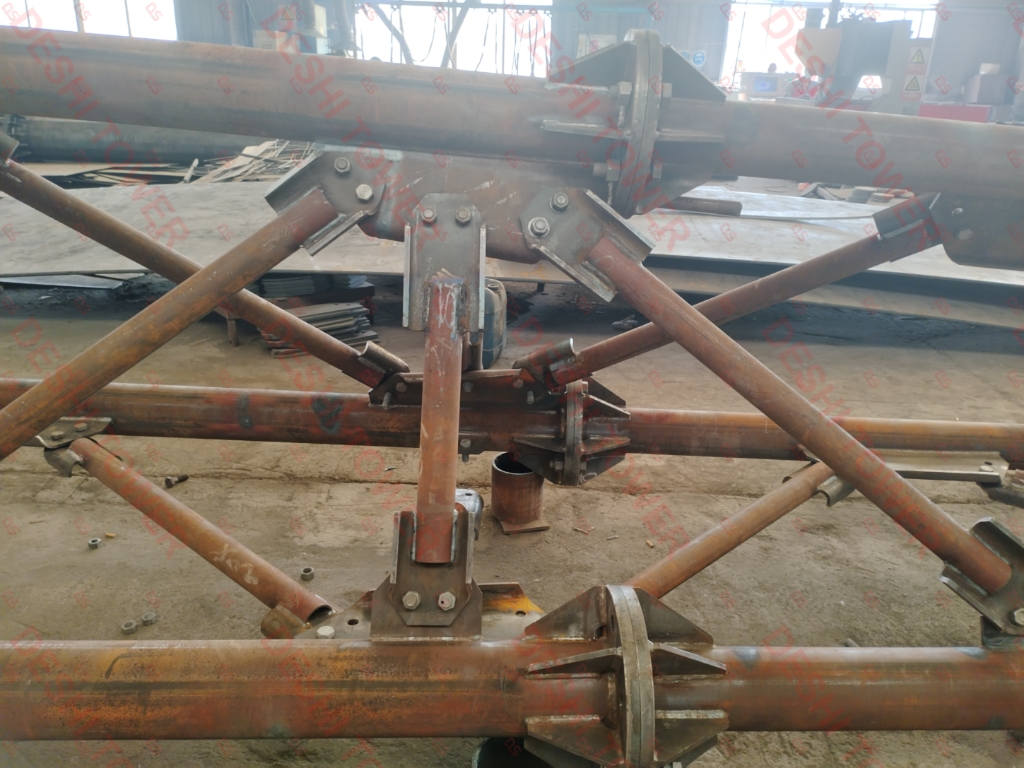
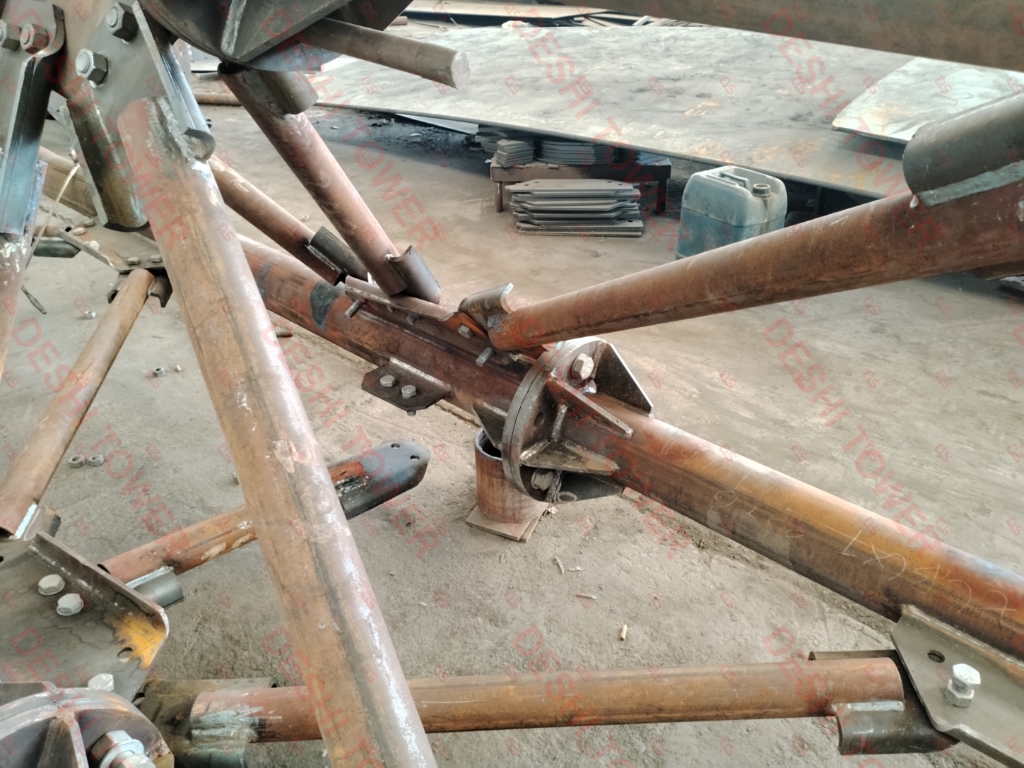

A satellite dish tower, also known as a satellite communication tower or satellite dish support structure, is a specialized tower designed to support satellite dishes for communication purposes. Here’s an overview:
- Structure: Satellite dish towers are typically constructed from steel or aluminum and can take various forms, including lattice towers, monopoles, or guyed towers. The structure is engineered to withstand the weight and wind loads of the satellite dishes mounted on it.
- Purpose: The primary purpose of a satellite dish tower is to provide a stable platform for mounting satellite dishes used for transmitting and receiving signals to and from satellites in orbit. These towers are essential components of satellite communication networks used for television broadcasting, internet connectivity, telecommunication services, and data transmission.
- Height and Size: The height and size of a satellite dish tower vary depending on factors such as the number and size of satellite dishes it needs to support, the desired coverage area, and environmental conditions. Taller towers may be required for longer-distance communication or to clear obstructions that could interfere with the satellite signal.
- Installation: Installation of a satellite dish tower involves erecting the tower structure, securing it to a concrete foundation, and mounting the satellite dishes at optimal positions for signal reception and transmission. Installation may require specialized equipment and skilled technicians to ensure proper alignment and calibration of the satellite dishes.
- Integration: Satellite dish towers are often integrated into larger communication systems that include satellite ground stations, equipment shelters, and power supply systems. The tower serves as a central hub for connecting satellite dishes to the rest of the communication infrastructure.
- Maintenance: Regular inspection and maintenance are necessary to ensure the continued performance and reliability of satellite dish towers. This includes checking for signs of structural wear, corrosion, and damage, as well as adjusting and realigning satellite dishes as needed to maintain optimal signal strength and quality.
- Applications: Satellite dish towers are used in various applications, including direct-to-home (DTH) television broadcasting, satellite internet services, remote sensing, and military communications. They are deployed in diverse locations, including urban areas, rural regions, and remote sites where terrestrial communication infrastructure is limited or unavailable.
| Product | satellite dish tower |
| Shape | lattice |
| Material | Normally Q345B/A572, Minimum Yield Strength ≥ 345 N/mm² Q235B/A36, Minimum Yield Strength ≥ 235 N/mm². OR Q420 Q460 ASTM A572 GR65, GR50, SS400 |
| Surface treatment | Hot dip galvanized Following ASTM A 123, BS729 or as client required. |
| connection | bolt connection |
| Standard | ISO 9001:2008 |
| Height: | 20 ft, 25 ft, 30 ft, 40 ft, 50 ft, 60 ft, 70 ft, 75 ft, 80 ft, 100 ft, 200 ft, 500 ft, 600 ft, etc. |
| Surface treatment: | galvanization and color painted |
| Welding Standard | AWS (American Welding Society ) D 1.1 |
| Production Process | Raw material test → Cutting →Welding →Hole drilling →Dimension verify →sample assemble → surface clean→ Galvanization or powder coating ,painting →Recalibration →Packages |
| Packages | Packing with plastic paper, steel box or according to client’s request. |
Deshi Tower specializes in the design, manufacture, and construction support of transmission towers, Telecommunications Tower, steel structures, and observation towers.
Transmission tower design adheres to ASCE/SEI standards. Telecommunications Tower design follows ANSI/TIA-222 standards. We are not just manufacturers and suppliers, but also your technical support and partners.

If you need professional product quotations, technical & construction support, please email to us or submit the following sheet, we will contact you in 24 hours and pls check your emailbox. Your connection information will just be known by ourselves.