- Provide global users with the design, manufacturing, supply, and installation of steel towers and structures.

-
Weifang ,Shandong,P.R.C
-
-
signal towers
Self-Supporting Towers
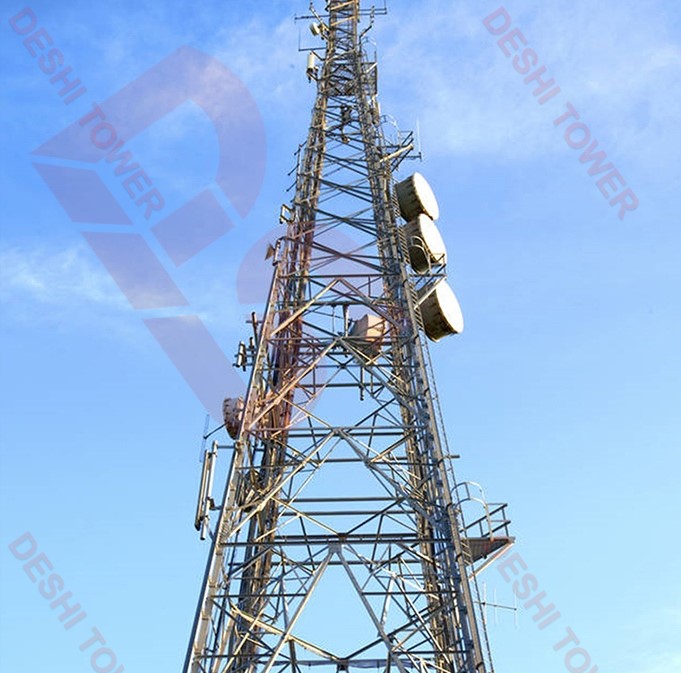

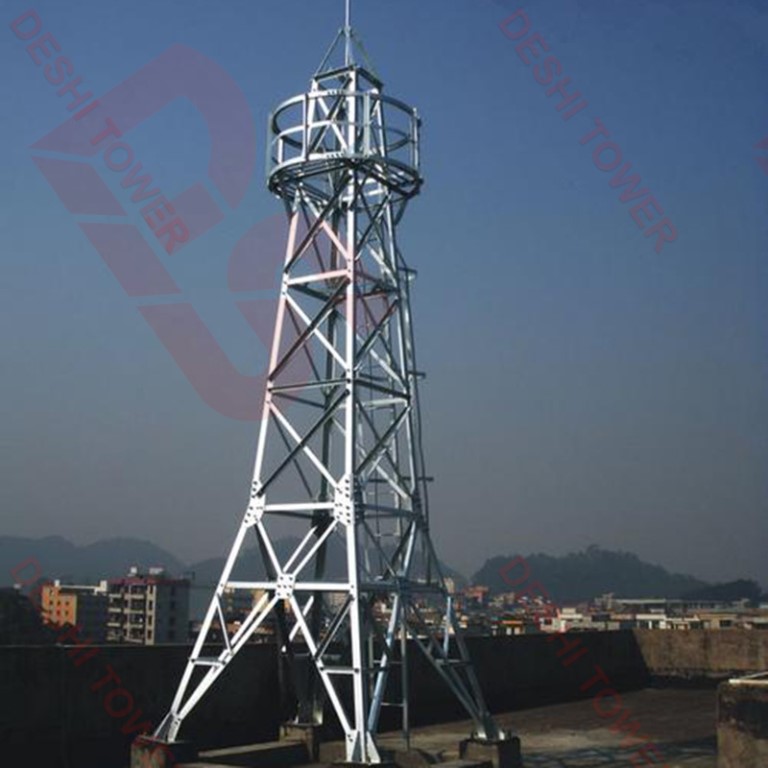
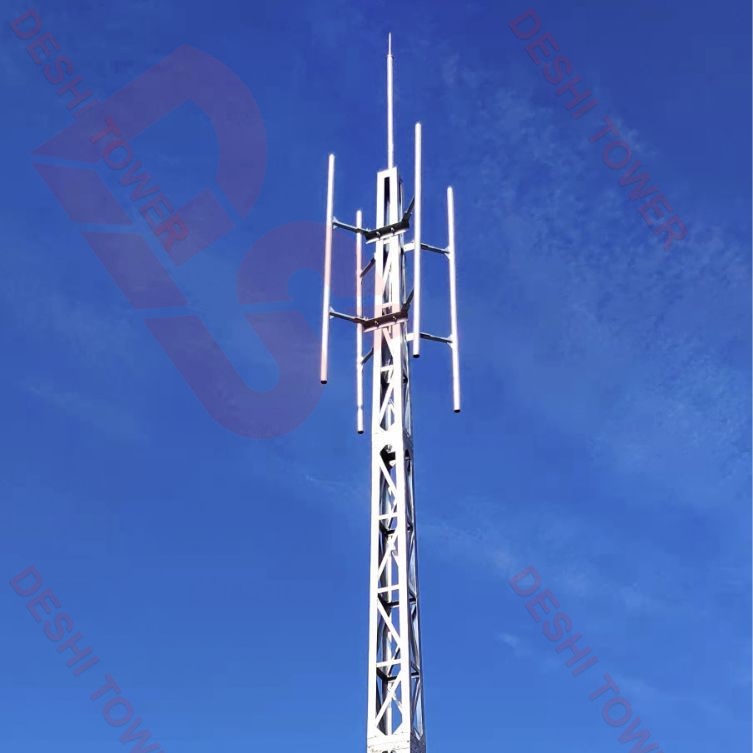
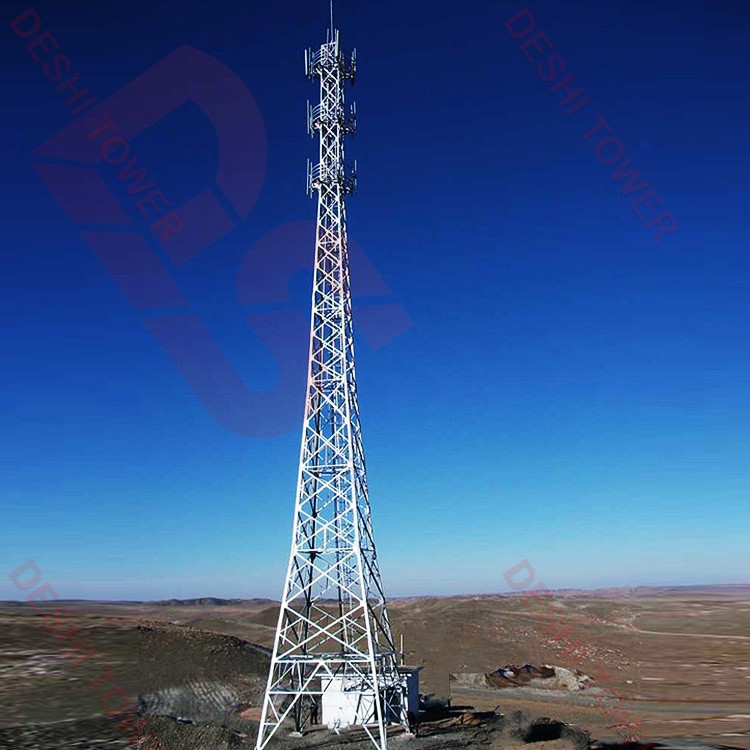
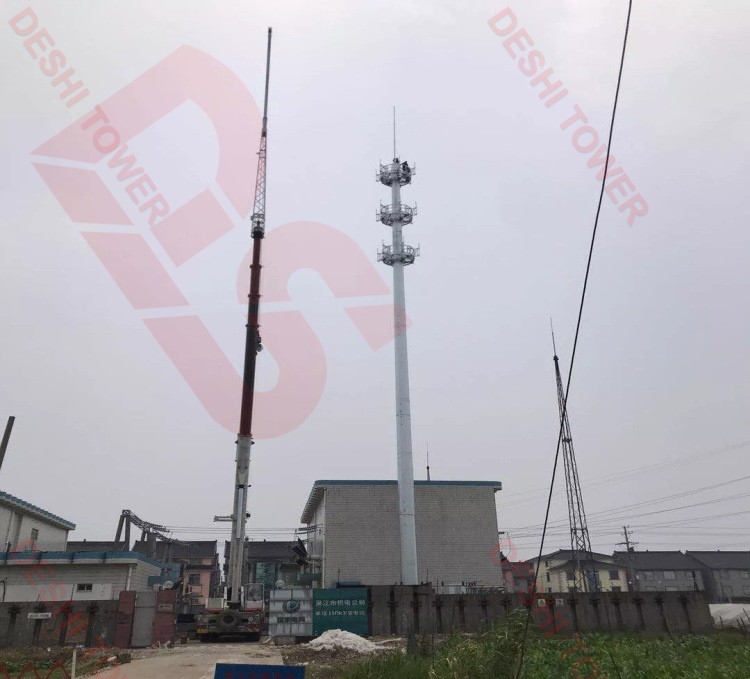
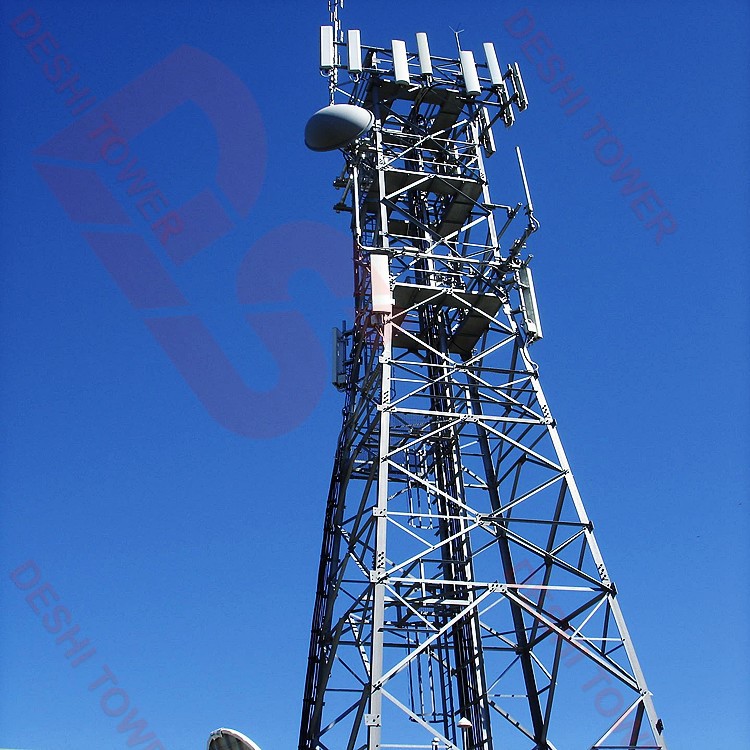

Signal towers, also known as communication towers, are tall structures designed to support antennas and other communication equipment essential for transmitting and receiving various types of signals, including radio, television, and cellular data. These towers are pivotal in establishing and maintaining the infrastructure required for modern communication systems, ensuring connectivity across extensive geographic areas.
Constructed primarily from durable materials like steel or reinforced concrete, signal towers are engineered to withstand environmental challenges such as high winds, ice accumulation, and seismic activities. They come in various forms, including self-supporting lattice towers, monopole towers, and guyed towers, which use tensioned cables for additional stability. The choice of design typically depends on the specific requirements of the site, including height, location, and the number of antennas it needs to support.
Signal towers often host equipment from multiple service providers, making them critical nodes in telecommunications networks. This co-location strategy helps in optimizing the use of space and resources, reducing the overall environmental footprint and infrastructure costs. Additionally, these towers are equipped with safety features like obstruction lights to prevent air traffic accidents, especially when located near flight paths.
The strategic placement of signal towers is crucial for minimizing coverage gaps and ensuring that communication remains uninterrupted, regardless of the user’s location. As such, they are integral to the seamless operation of emergency services, broadcasting networks, and mobile phone systems, facilitating everything from daily communications to critical, life-saving interactions.
| Product | signal towers |
| Shape | lattice |
| Material | Normally Q345B/A572, Minimum Yield Strength ≥ 345 N/mm² Q235B/A36, Minimum Yield Strength ≥ 235 N/mm². OR Q420 Q460 ASTM A572 GR65, GR50, SS400 |
| Surface treatment | Hot dip galvanized Following ASTM A 123, BS729 or as client required. |
| connection | bolt connection |
| Standard | ISO 9001:2008 |
| Height: | 20 ft, 25 ft, 30 ft, 40 ft, 50 ft, 60 ft, 70 ft, 75 ft, 80 ft, 100 ft, 200 ft, 500 ft, 600 ft, etc. |
| Surface treatment: | galvanization and color painted |
| Welding Standard | AWS (American Welding Society ) D 1.1 |
| Production Process | Raw material test → Cutting →Welding →Hole drilling →Dimension verify →sample assemble → surface clean→ Galvanization or powder coating ,painting →Recalibration →Packages |
| Packages | Packing with plastic paper, steel box or according to client’s request. |
Deshi Tower specializes in the design, manufacture, and construction support of transmission towers, Telecommunications Tower, steel structures, and observation towers.
Transmission tower design adheres to ASCE/SEI standards. Telecommunications Tower design follows ANSI/TIA-222 standards. We are not just manufacturers and suppliers, but also your technical support and partners.

If you need professional product quotations, technical & construction support, please email to us or submit the following sheet, we will contact you in 24 hours and pls check your emailbox. Your connection information will just be known by ourselves.