- Provide global users with the design, manufacturing, supply, and installation of steel towers and structures.

-
Weifang ,Shandong,P.R.C
-
-
135kv overhead line tower
Lattice Transmission Tower


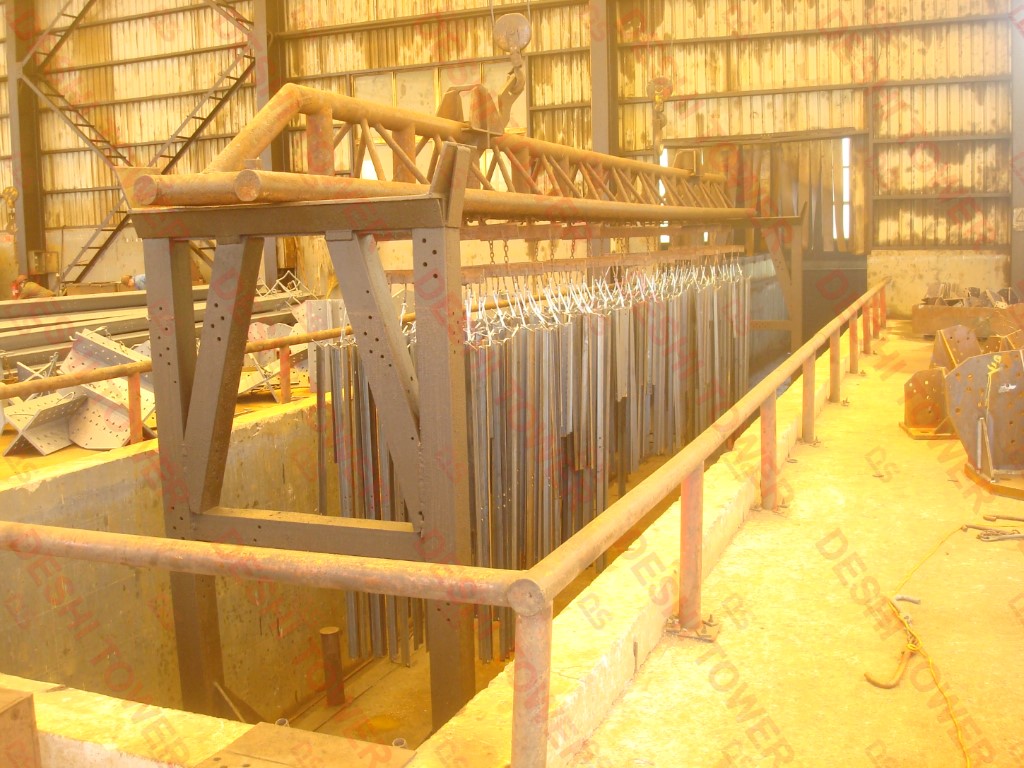
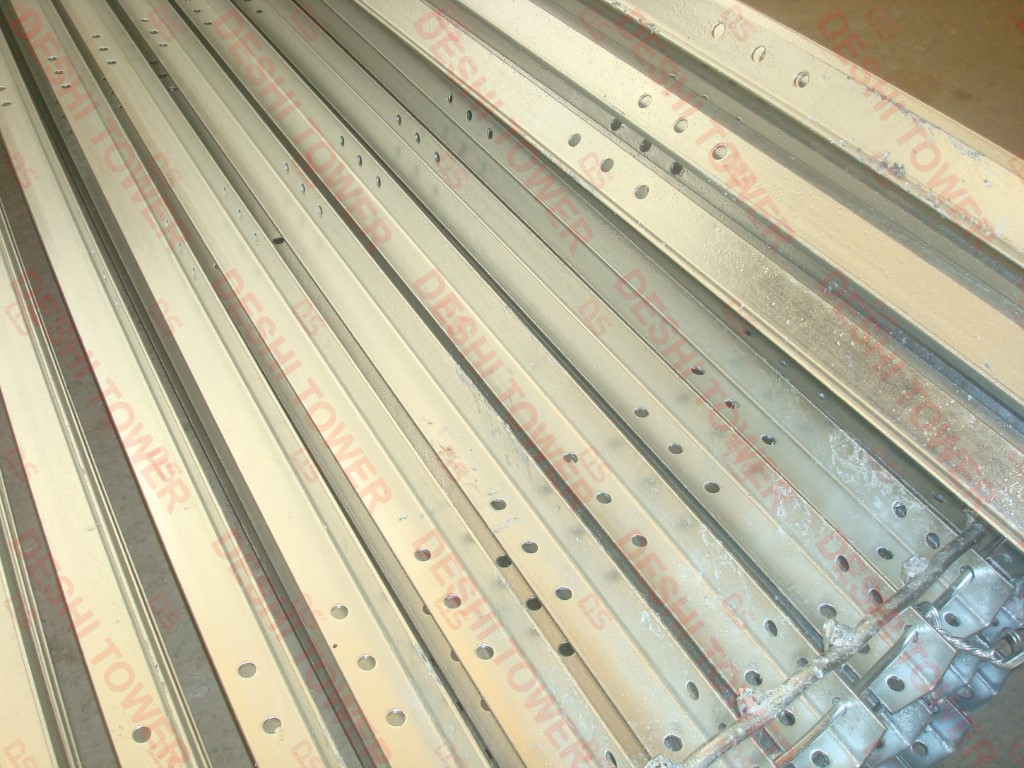
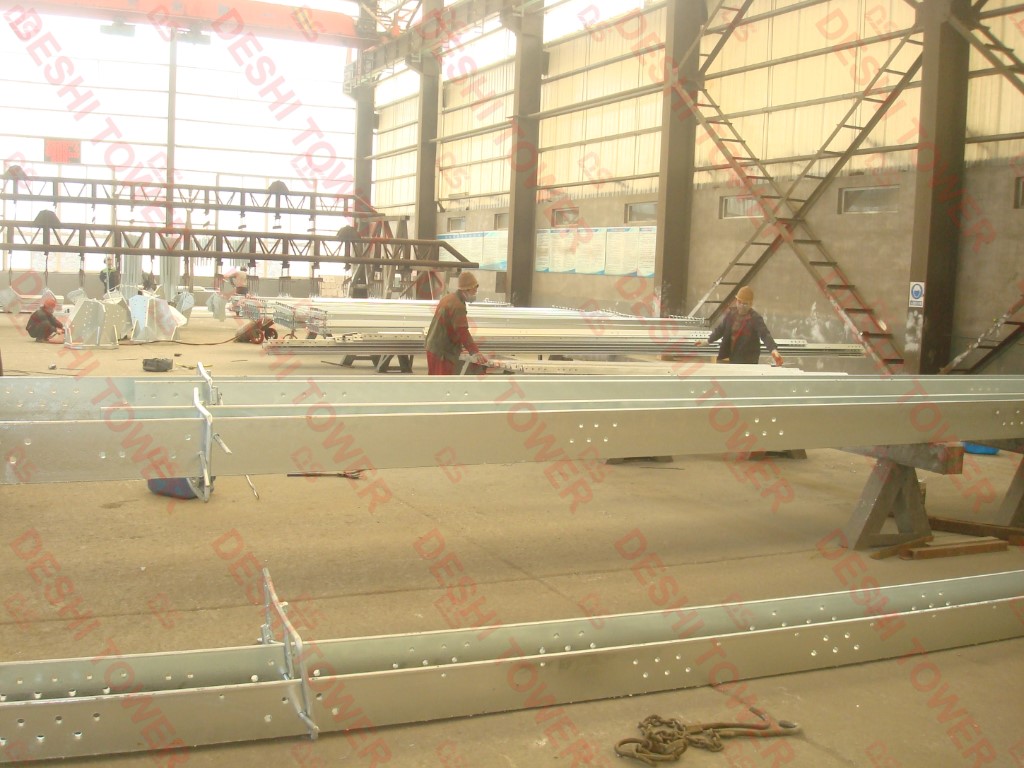
A 135kV overhead line tower functions similarly to other high-voltage transmission line towers, such as the more common 132kV towers. It is specifically designed to transmit electrical power at a voltage of 135 kilovolts. These towers are an essential part of the electrical grid, enabling the movement of electricity over long distances from power generation facilities to distribution substations and ultimately to consumers.
Characteristics of a 135kV Overhead Line Tower:
- Structure: Typically constructed from steel, these towers can be of various types:Lattice Towers: Made from crossed steel members forming a lattice, offering strength and stability. These are common for their ability to carry heavy loads and withstand environmental stresses like wind and ice.Monopoles: Sleeker and requiring less space, these are single, large poles often used in more urban or visually sensitive areas.
- Height and Design: The height varies generally between 15 and 60 meters based on the terrain, clearance requirements from the ground, and the span between towers. The design must accommodate safe clearances for both people and wildlife.
- Span: The distance between towers typically ranges from 200 to 400 meters, though this can vary significantly based on topographical and other situational factors.
- Capacity: These towers are equipped to handle high-voltage transmission lines. They may support single or multiple circuits, depending on the power transmission needs.
- Safety and Insulation: High-voltage insulators separate the conductors (wires) from the tower to prevent electrical faults. These towers also include grounding systems to protect against electrical surges and lightning strikes.
- Installation and Maintenance: Foundations for these towers are designed based on the soil type and environmental conditions to ensure stability. Accessibility for maintenance and inspection is a critical design consideration, often facilitated by ladders or climbing pegs built into the structure.
- Environmental and Regulatory Compliance: Environmental impact assessments are typically required before construction to ensure minimal disruption to local ecosystems. These towers must also comply with national and international safety and construction standards.
In summary, 135kV overhead line towers are crucial infrastructure for the reliable and efficient transmission of electrical power. Their design and construction are tailored to meet specific environmental, safety, and operational criteria.
| Product | 135kv overhead line tower |
| Shape | lattice |
| Material | Normally Q345B/A572, Minimum Yield Strength ≥ 345 N/mm² Q235B/A36, Minimum Yield Strength ≥ 235 N/mm². OR Q420 Q460 ASTM A572 GR65, GR50, SS400 |
| Electric Voltage | 135kv |
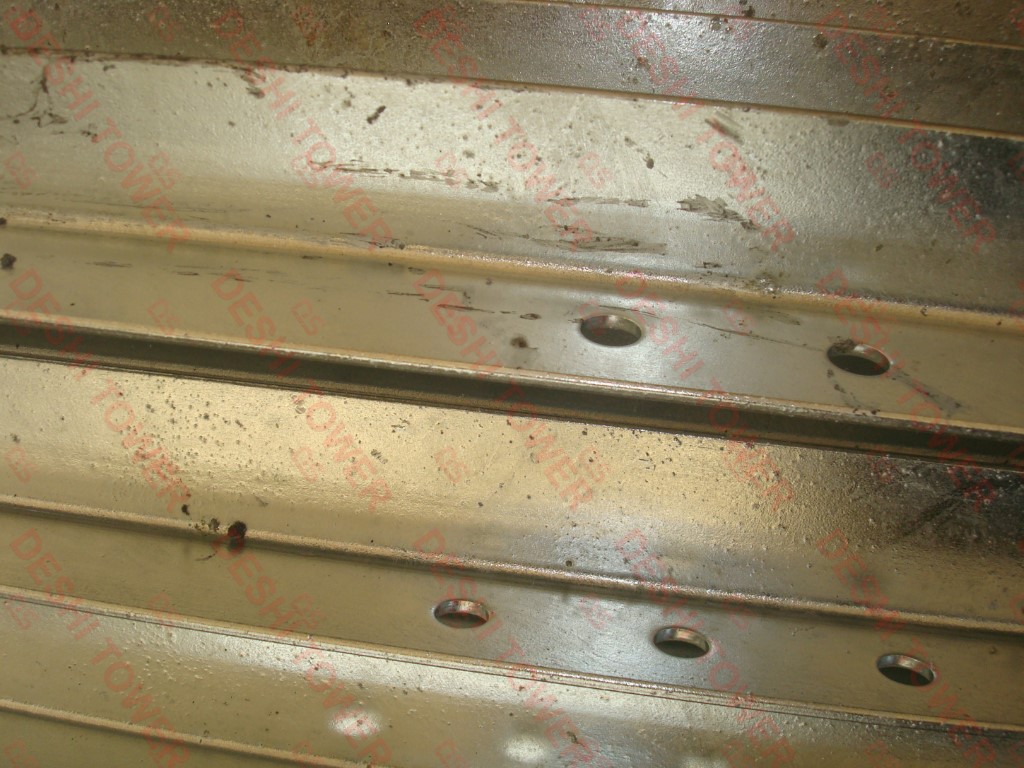
| Surface treatment | Hot dip galvanized Following ASTM A 123, BS729 or as client required. |
| connection | bolt connection |
| Standard | ISO 9001:2008 |
| Height: | below 60 meters |
| Surface treatment: | galvanization and color painted |
| Welding Standard | AWS (American Welding Society ) D 1.1 |
| Production Process | Raw material test → Cutting →Welding →Hole drilling →Dimension verify →sample assemble → surface clean→ Galvanization or powder coating ,painting →Recalibration →Packages |
| Packages | Packing with plastic paper, steel box or according to client’s request. |
Deshi Tower specializes in the design, manufacture, and construction support of transmission towers, communication towers, steel structures, and observation towers.
Transmission tower design adheres to ASCE/SEI standards. Telecommunication tower design follows ANSI/TIA-222 standards. We are not just manufacturers and suppliers, but also your technical support and partners.

If you need professional product quotations, technical & construction support, please email to us or submit the following sheet, we will contact you in 24 hours and pls check your emailbox. Your connection information will just be known by ourselves.