- Provide global users with the design, manufacturing, supply, and installation of steel towers and structures.

-
Weifang ,Shandong,P.R.C
-
-
330kv electrical tower
Lattice Transmission Tower

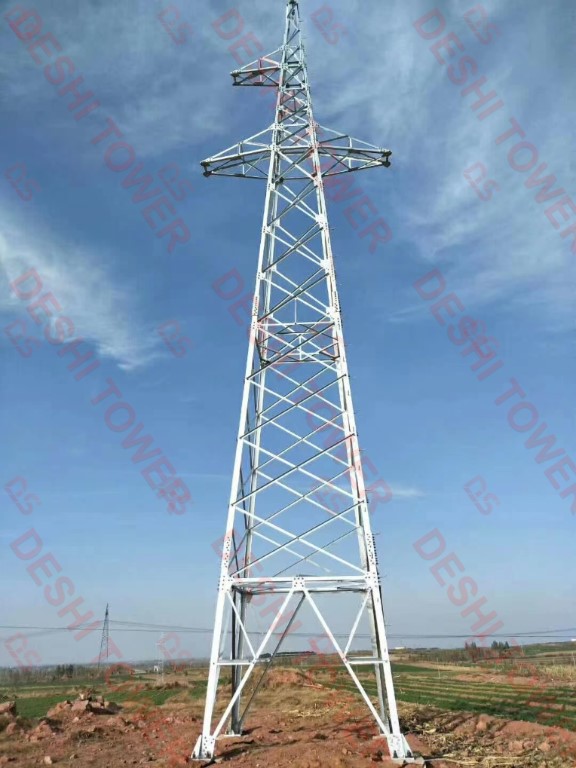


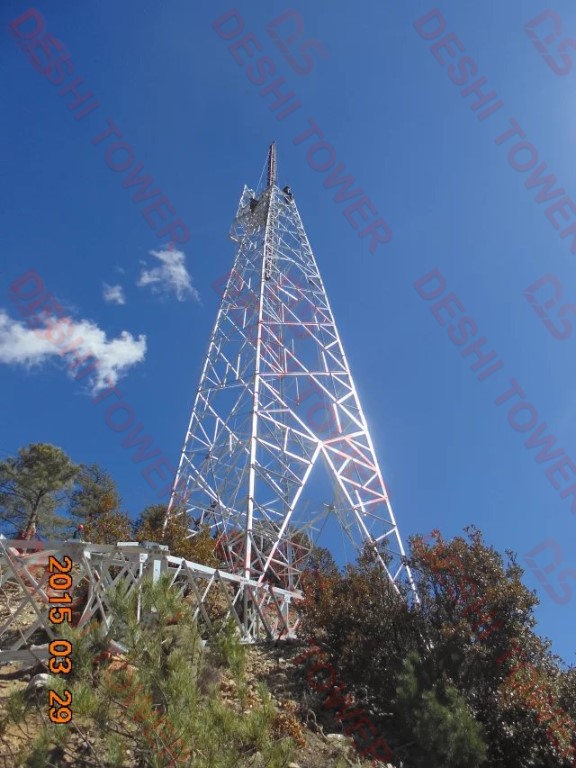


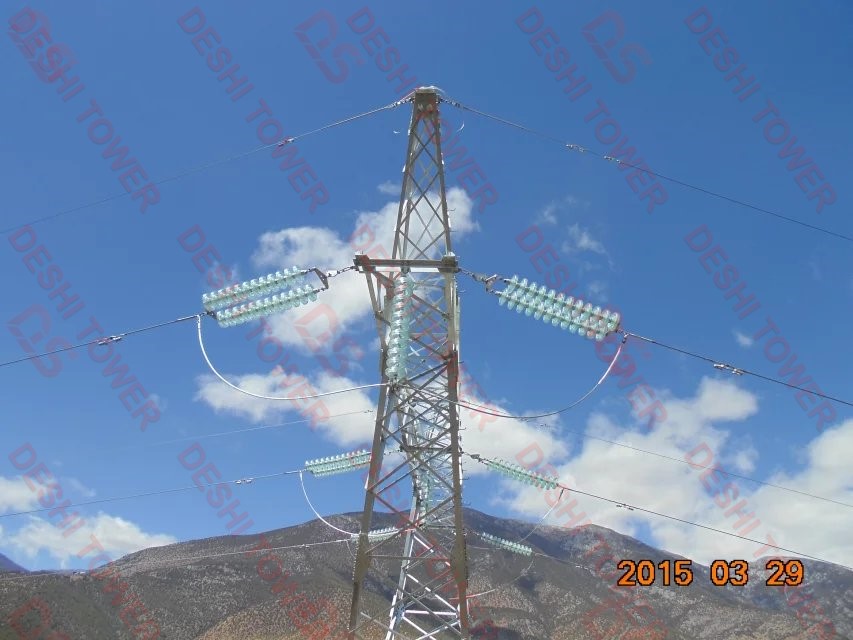
A 330kV electrical tower is a critical infrastructure component for high-voltage power transmission over long distances, facilitating the efficient movement of electricity while minimizing losses. These towers are designed for robustness and reliability, necessary to support the substantial electrical loads and withstand environmental challenges. Here are some key considerations and specifications for a 330kV electrical tower:
Design and Engineering:
- Tower Configuration: Lattice steel towers are commonly used for 330kV lines due to their strength, durability, and cost-effectiveness. Monopole and tubular steel designs may be used in areas where space is limited or aesthetic concerns are paramount.
- Height and Dimensions: These towers are typically between 30 to 60 meters tall, depending on terrain and clearance requirements. The design must ensure adequate clearance from the ground and between conductors to prevent electrical arcing.
- Insulation Requirements: High-voltage insulators, such as suspension or post insulators, are critical to maintaining safety and function. These are designed to withstand the electrical stress and environmental conditions specific to 330kV operations.
Materials:
- Galvanized Steel or Aluminum: Most 330kV towers are constructed from galvanized steel for corrosion resistance and strength. Aluminum may be used for certain components like cross-arms to reduce weight.
- Durable Coatings: Additional protective coatings may be applied to combat specific environmental challenges like salt spray in coastal areas or industrial pollution.
Compliance and Standards:
- International and Local Standards: The design and construction of 330kV towers must comply with international standards such as those from the International Electrotechnical Commission (IEC) and ASTM International, as well as national standards.
- Safety Regulations: These towers must adhere to stringent safety regulations to protect maintenance personnel and the public, including specific grounding and accessibility requirements.
Construction and Installation:
- Foundation Design: Foundations are designed based on soil type and environmental load factors, including wind, seismic activity, and ice loading where applicable.
- Erection Procedures: The construction of these towers involves meticulous planning and execution, using cranes and specialized equipment to handle large, heavy components.
Maintenance and Inspection:
- Routine Inspections: Regular inspections are necessary to ensure structural integrity, focusing on detecting corrosion, mechanical wear, and potential failures of components like insulators and bolts.
- Accessibility Features: Maintenance pathways and safety features are incorporated into the design to facilitate regular checks and emergency repairs.
Environmental Impact:
- Impact Assessments: Environmental impact assessments are conducted to minimize adverse effects on local ecosystems and communities, guiding the placement of towers and the selection of materials.
- Mitigation Strategies: Strategies such as using bird diverters, minimizing forest clearing, and restoring vegetation cover post-construction are commonly employed.
Supplier Selection:
- Experienced Manufacturers: It is crucial to select manufacturers with proven expertise in high-voltage tower production, capable of meeting precise specifications and quality controls.
- Quality Assurance Processes: Suppliers must demonstrate robust quality assurance processes to ensure that all components meet or exceed regulatory and operational requirements.
330kV towers are essential for reliable and efficient power transmission. Their design, installation, and maintenance require a high degree of technical expertise and rigorous adherence to safety and environmental standards, ensuring they perform effectively over their operational lifespan.
| Product | 330kv electrical tower |
| Shape | lattice |
| Material | Normally Q345B/A572, Minimum Yield Strength ≥ 345 N/mm² Q235B/A36, Minimum Yield Strength ≥ 235 N/mm². OR Q420 Q460 ASTM A572 GR65, GR50, SS400 |
| Electric Voltage | 330kv |
| Surface treatment | Hot dip galvanized Following ASTM A 123, BS729 or as client required. |
| connection | bolt connection |
| Standard | ISO 9001:2008 |
| Height: | below 60 meters |
| Surface treatment: | galvanization and color painted |
| Welding Standard | AWS (American Welding Society ) D 1.1 |
| Production Process | Raw material test → Cutting →Welding →Hole drilling →Dimension verify →sample assemble → surface clean→ Galvanization or powder coating ,painting →Recalibration →Packages |
| Packages | Packing with plastic paper, steel box or according to client’s request. |
Deshi Tower specializes in the design, manufacture, and construction support of transmission towers, communication towers, steel structures, and observation towers.
Transmission tower design adheres to ASCE/SEI standards. Telecommunication tower design follows ANSI/TIA-222 standards. We are not just manufacturers and suppliers, but also your technical support and partners.

If you need professional product quotations, technical & construction support, please email to us or submit the following sheet, we will contact you in 24 hours and pls check your emailbox. Your connection information will just be known by ourselves.