- Provide global users with the design, manufacturing, supply, and installation of steel towers and structures.

-
Weifang ,Shandong,P.R.C
-
-
double circuit transmission tower
Lattice Transmission Tower

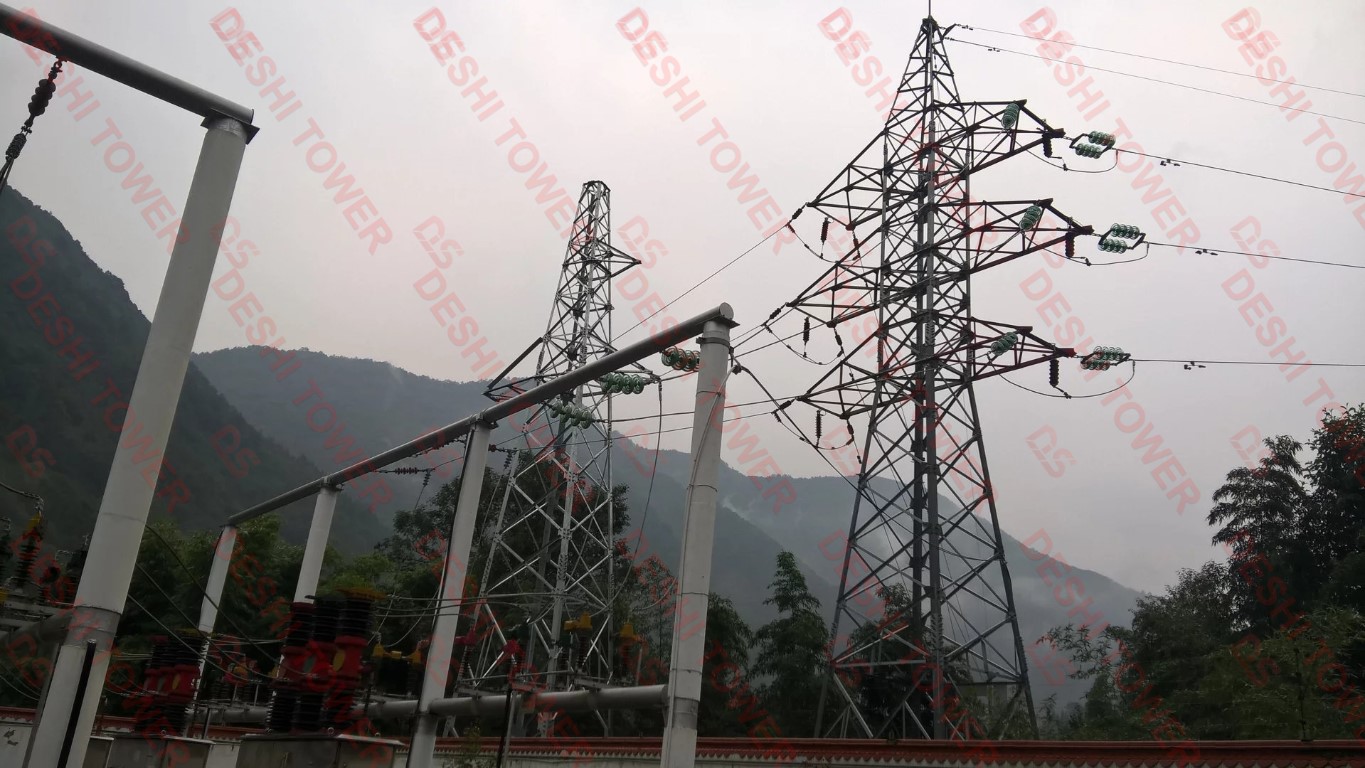
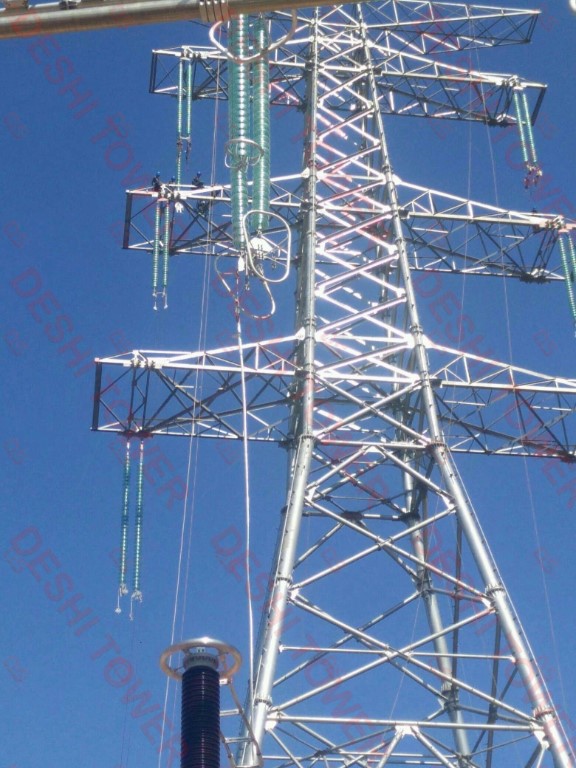

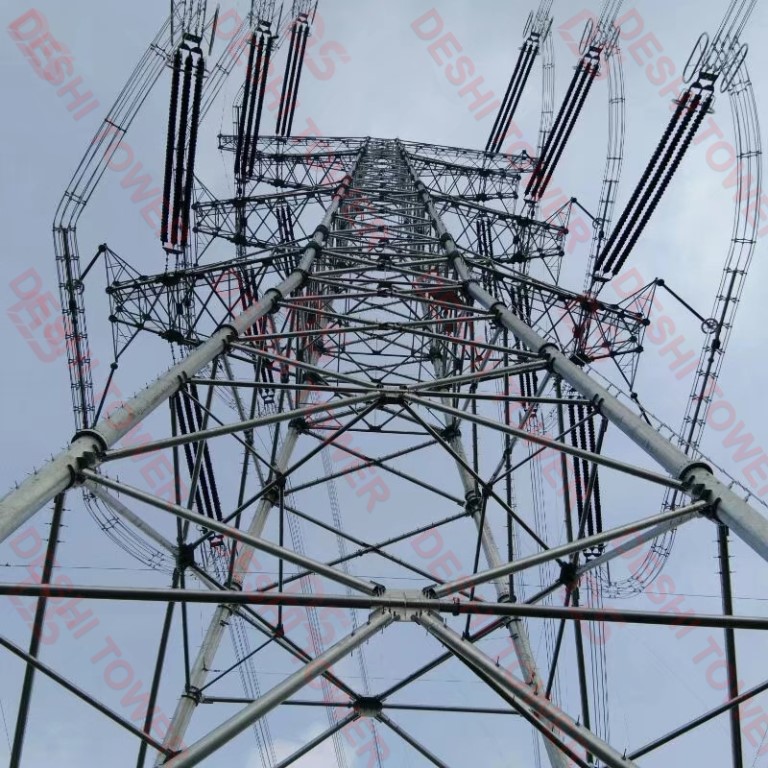
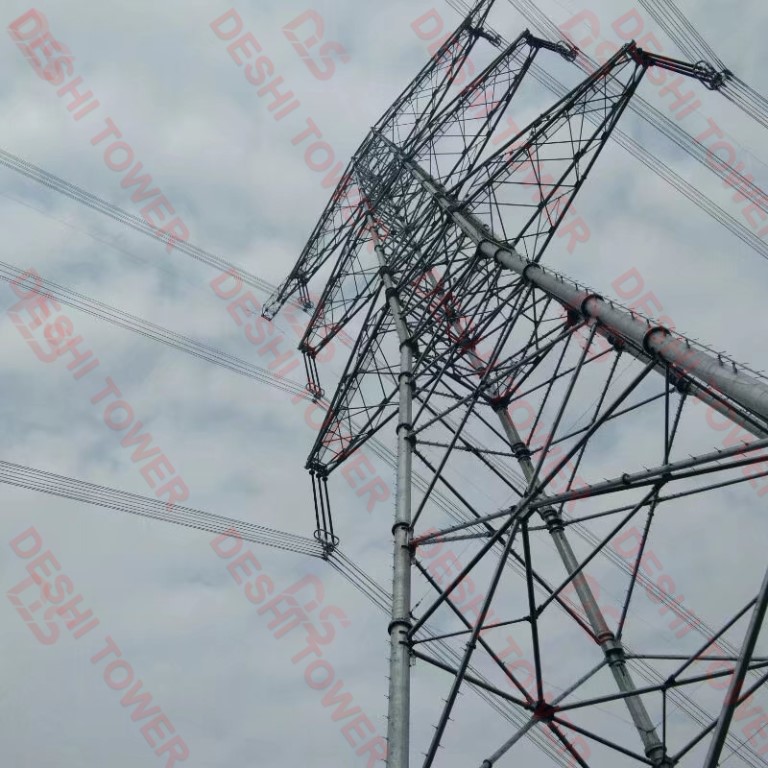
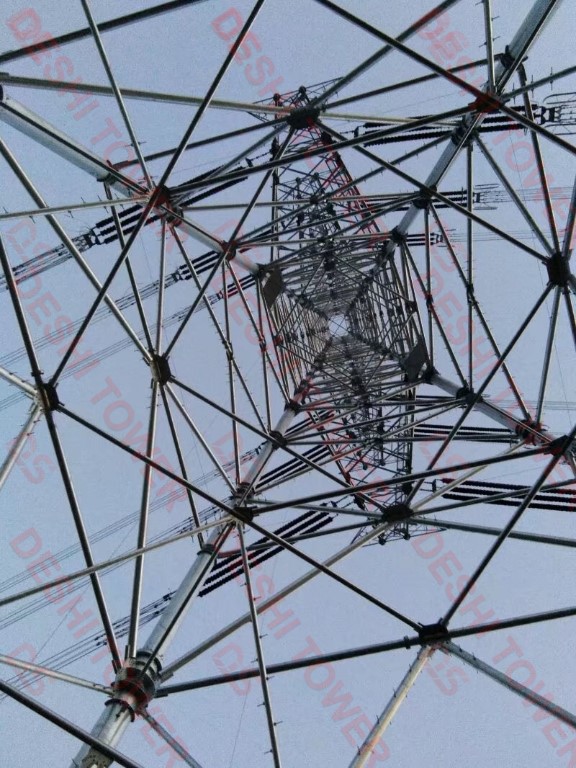
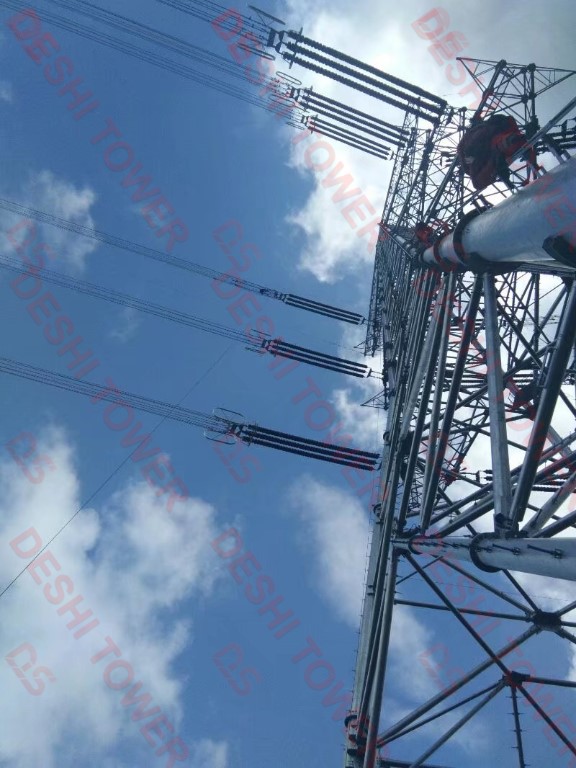
A double circuit transmission tower is a type of structure used in electric power transmission to carry two circuits of electrical energy. These towers are essential for efficient long-distance transmission and are commonly used when there is a need to transmit large amounts of electricity while minimizing the amount of land and number of structures required.
Key Features of Double Circuit Transmission Towers
- Structure and Design: Double circuit towers typically feature a taller and more robust construction compared to single circuit towers because they need to support two circuits of electrical power. They often have multiple cross-arms, each capable of supporting a circuit on either side of the tower.
- Material: Like most transmission towers, these are primarily constructed from steel or aluminum due to their strength, durability, and corrosion resistance. Steel is especially favored for its high tensile strength and longevity.
- Efficiency: By carrying two circuits, these towers can maximize the transmission capacity along a single right-of-way. This not only makes better use of the land but also reduces the environmental and physical footprint compared to having two separate single circuit lines.
- Layout: The arrangement of conductors can vary based on design and operational requirements. A common arrangement sees the conductors horizontally spaced on the cross-arms, with each circuit on one side of the tower. This design helps to balance the tower structurally and minimize interference between circuits.
Advantages of Double Circuit Transmission Towers
- Cost-Effectiveness: Building one tower for two circuits is generally more cost-effective than constructing separate towers for each circuit.
- Reduced Right-of-Way: These towers require less land, which is beneficial in densely populated or environmentally sensitive areas.
- Increased Capacity: They efficiently increase transmission capacity without the need for additional infrastructure, making them ideal for upgrades in power delivery systems.
Challenges
- Complexity in Maintenance: Maintenance can be more complex and costly because a fault on one circuit could potentially impact the other if not properly managed.
- Higher Initial Costs: The initial design and construction costs are typically higher than for single circuit towers due to the increased size and strength requirements.
- Vulnerability to Failures: If a tower failure occurs, it can disrupt both circuits simultaneously, potentially doubling the impact of an outage.
Applications and Use
Double circuit transmission towers are widely used in national grids to transport electricity from power plants to substations and distribution areas. They are particularly useful in regions where space is limited but demand for electricity is high, such as urban outskirts or developed rural areas.
In summary, double circuit transmission towers are a critical component of modern power transmission infrastructure, offering efficient, cost-effective solutions for managing large volumes of electricity over long distances. Their design and implementation consider both the technical requirements necessary for safe and reliable power transmission and the environmental constraints of construction and land use.
| Product | double circuit transmission tower |
| Shape | lattice |
| Material | Normally Q345B/A572, Minimum Yield Strength ≥ 345 N/mm² Q235B/A36, Minimum Yield Strength ≥ 235 N/mm². OR Q420 Q460 ASTM A572 GR65, GR50, SS400 |
| Electric Voltage | 10kv, 11kv, 32kv, 33kv, 35kv, 65kv, 66kv, 90kv, 92kv, 110kv, 115kv, 132kv, 220kv, 230kv, 300kv, 320kv, 330kv, 345kv, 380kv, 400kv 500kv, 750kv, 765kv, 800kv,850kv, 1000kv, 1100kv |
| Surface treatment | Hot dip galvanized Following ASTM A 123, BS729 or as client required. |
| connection | bolt connection |
| Standard | ISO 9001:2008 |
| Height: | below 60 meters |
| Surface treatment: | galvanization and color painted |
| Welding Standard | AWS (American Welding Society ) D 1.1 |
| Production Process | Raw material test → Cutting →Welding →Hole drilling →Dimension verify →sample assemble → surface clean→ Galvanization or powder coating ,painting →Recalibration →Packages |
| Packages | Packing with plastic paper, steel box or according to client’s request. |
Deshi Tower specializes in the design, manufacture, and construction support of transmission towers, communication towers, steel structures, and observation towers.
Transmission tower design adheres to ASCE/SEI standards. Telecommunication tower design follows ANSI/TIA-222 standards. We are not just manufacturers and suppliers, but also your technical support and partners.

If you need professional product quotations, technical & construction support, please email to us or submit the following sheet, we will contact you in 24 hours and pls check your emailbox. Your connection information will just be known by ourselves.