- Provide global users with the design, manufacturing, supply, and installation of steel towers and structures.

-
Weifang ,Shandong,P.R.C
-
-
transmission pylon
Lattice Transmission Tower
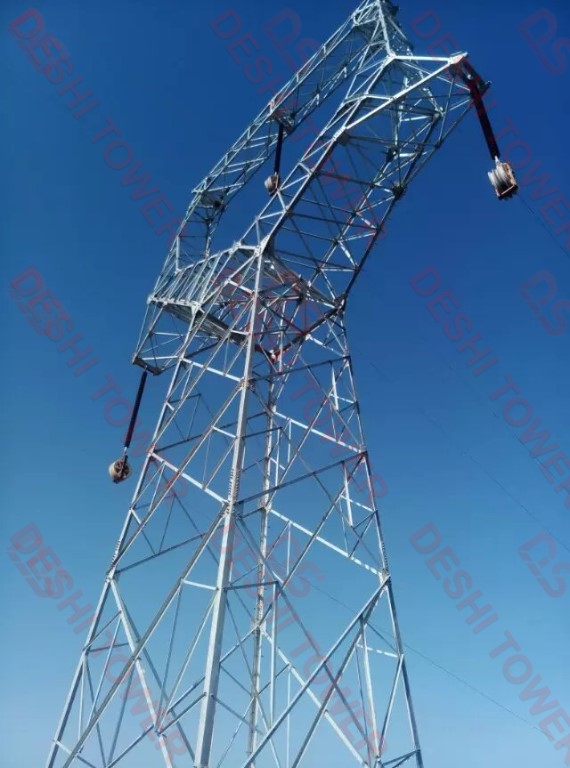
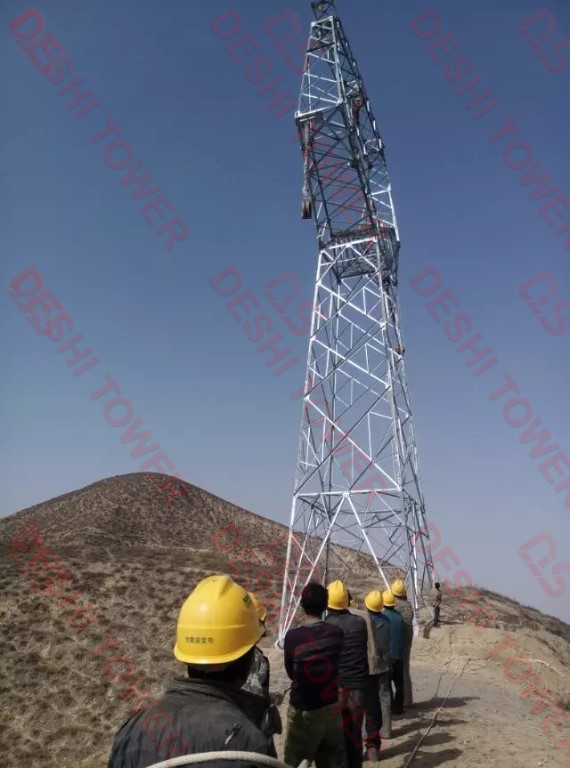
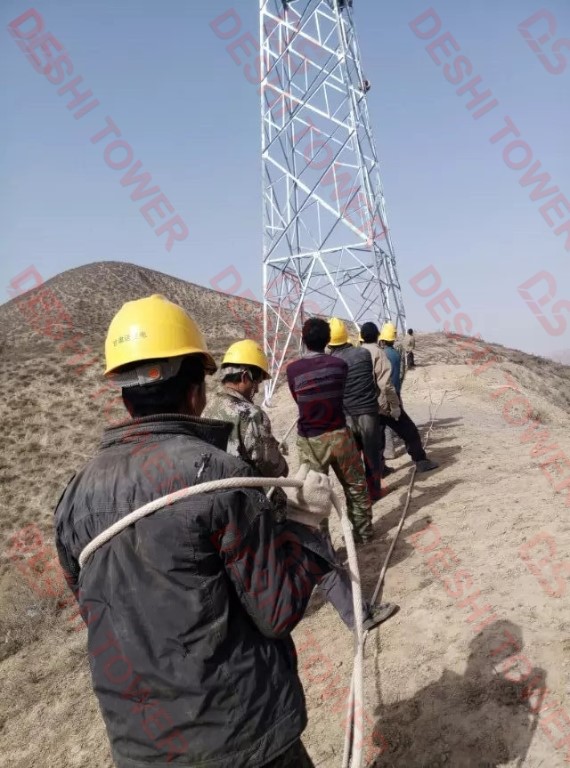
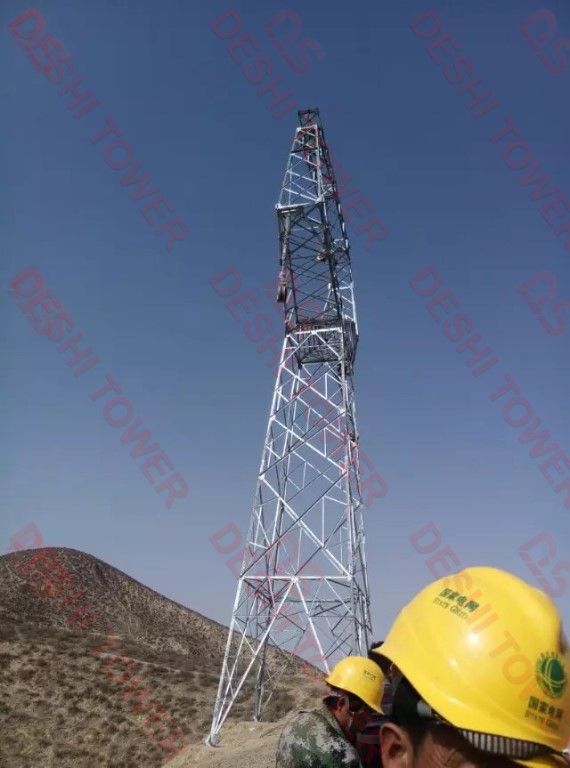

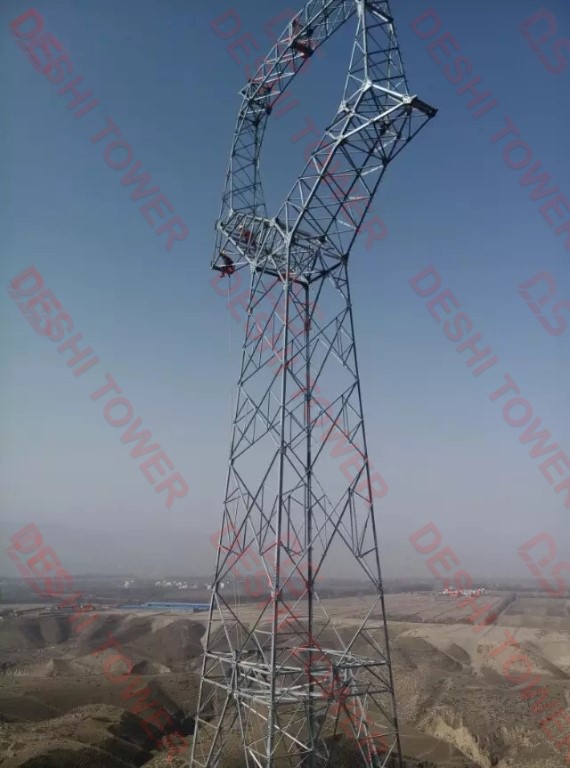
A transmission pylon, also known as an electricity pylon or a power tower, is a tall structure used to support overhead power lines. They are a critical component in the transmission of electrical energy across long distances, ensuring that electricity generated at power plants is efficiently delivered to consumers and businesses.
Key Features of Transmission Pylons:
1. Structure: Transmission pylons are typically made from steel and designed with a lattice structure, which provides strength and stability while using materials economically. The shape can vary depending on the specific requirements of the transmission line, including the voltage and environmental conditions.
2. Design Variations: The design of transmission pylons varies based on their function within the power transmission network. Common types include:
- Suspension Towers: Used in straight sections of the line.
- Tangent Towers: Similar to suspension towers but designed to handle slight bends in the line.
- Strain Towers: Used where lines significantly change direction.
- Dead-end Towers: Used where lines terminate, such as at substations.
- Transposition Towers: Used to rotate the position of conductors to balance electrical impedance.
3. Height and Span: The height of pylons typically ranges from 15 to 55 meters, but it can be higher in certain cases, such as crossing valleys or rivers. The span between pylons varies but can be up to several hundred meters depending on the terrain and the voltage of the lines.
4. Load Capacity: They are designed to carry the weight of the power cables, withstand environmental stresses like wind and ice, and handle the electrical load without interference.
5. Safety and Insulation: Each pylon is equipped with insulators that isolate the high voltage conductors from the earthed structure of the tower to prevent electrical faults.
Installation and Maintenance:
Installing a transmission pylon involves several steps:
- Site preparation: Clearing and leveling the land.
- Foundation construction: Depending on the soil and load, this could be a deep foundation like piles or a shallow foundation.
- Assembling and erecting the tower: Pylons are often assembled horizontally on the ground, then raised into a vertical position.
Maintenance includes routine inspections, painting to prevent corrosion, replacing worn parts, and ensuring the integrity of the insulators.
Importance in Electrical Grids:
Transmission pylons are essential for the reliable distribution of electricity over large areas. They form the backbone of the electrical grid, connecting power generation sites with consumers. Efficient transmission reduces power loss and maintains the stability of the electrical grid, which is vital for economic development and security.
In summary, transmission pylons are engineering marvels designed to meet the demands of modern power transmission requirements, playing a crucial role in the infrastructure that powers societies around the globe.
| Product | transmission pylon |
| Shape | lattice |
| Material | Normally Q345B/A572, Minimum Yield Strength ≥ 345 N/mm² Q235B/A36, Minimum Yield Strength ≥ 235 N/mm². OR Q420 Q460 ASTM A572 GR65, GR50, SS400 |
| Electric Voltage | 10kv, 11kv, 32kv, 33kv, 35kv, 65kv, 66kv, 90kv, 92kv, 110kv, 115kv, 132kv, 220kv, 230kv, 300kv, 320kv, 330kv, 345kv, 380kv, 400kv 500kv, 750kv, 765kv, 800kv,850kv, 1000kv, 1100kv |
| Surface treatment | Hot dip galvanized Following ASTM A 123, BS729 or as client required. |
| connection | bolt connection |
| Standard | ISO 9001:2008 |
| Height: | below 60 meters |
| Surface treatment: | galvanization and color painted |
| Welding Standard | AWS (American Welding Society ) D 1.1 |
| Production Process | Raw material test → Cutting →Welding →Hole drilling →Dimension verify →sample assemble → surface clean→ Galvanization or powder coating ,painting →Recalibration →Packages |
| Packages | Packing with plastic paper, steel box or according to client’s request. |
Deshi Tower specializes in the design, manufacture, and construction support of transmission towers, communication towers, steel structures, and observation towers.
Transmission tower design adheres to ASCE/SEI standards. Telecommunication tower design follows ANSI/TIA-222 standards. We are not just manufacturers and suppliers, but also your technical support and partners.
TAG:
transmission pylon

If you need professional product quotations, technical & construction support, please email to us or submit the following sheet, we will contact you in 24 hours and pls check your emailbox. Your connection information will just be known by ourselves.