- Provide global users with the design, manufacturing, supply, and installation of steel towers and structures.

-
Weifang ,Shandong,P.R.C
-
-
V Type Transmission Line Tower
Lattice Transmission Tower
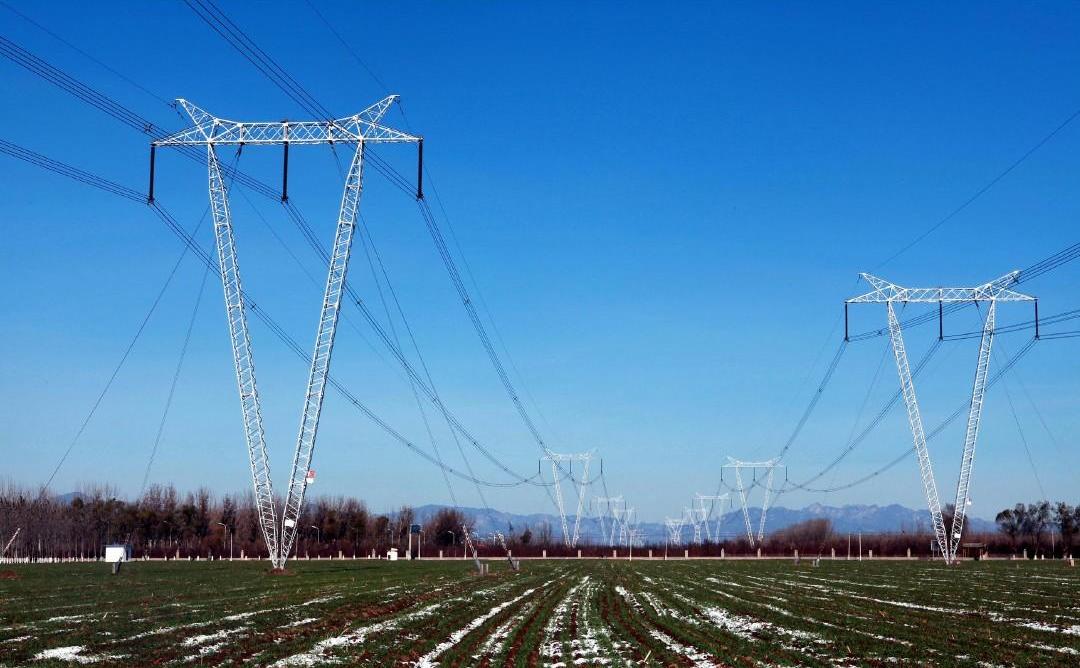
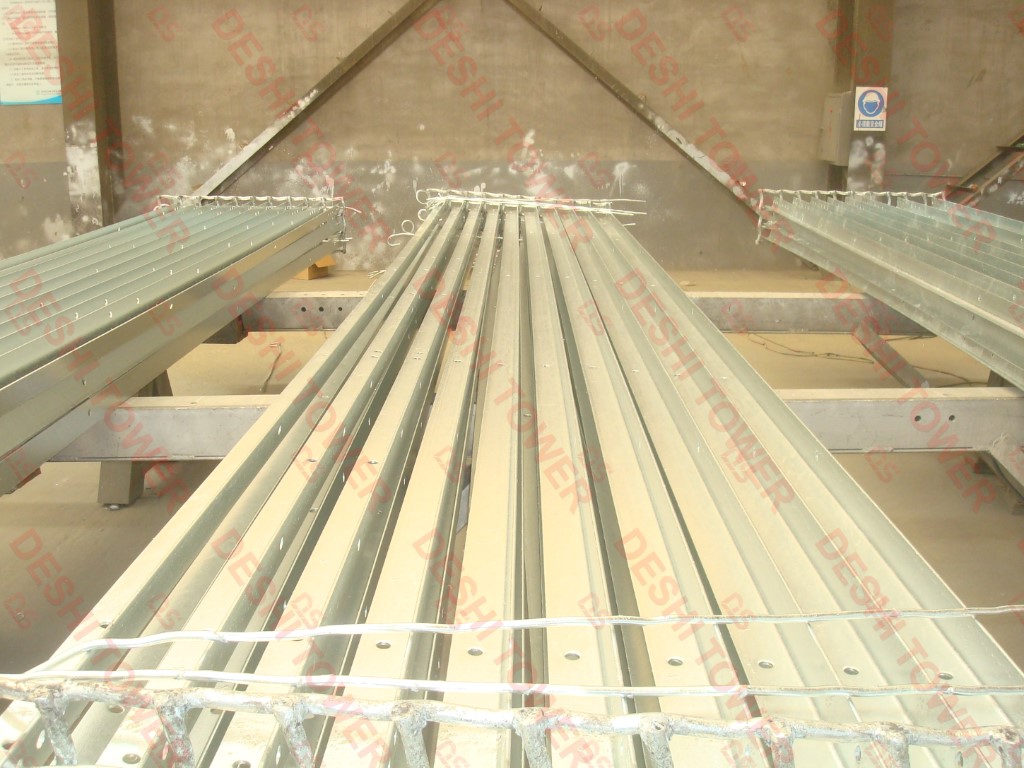
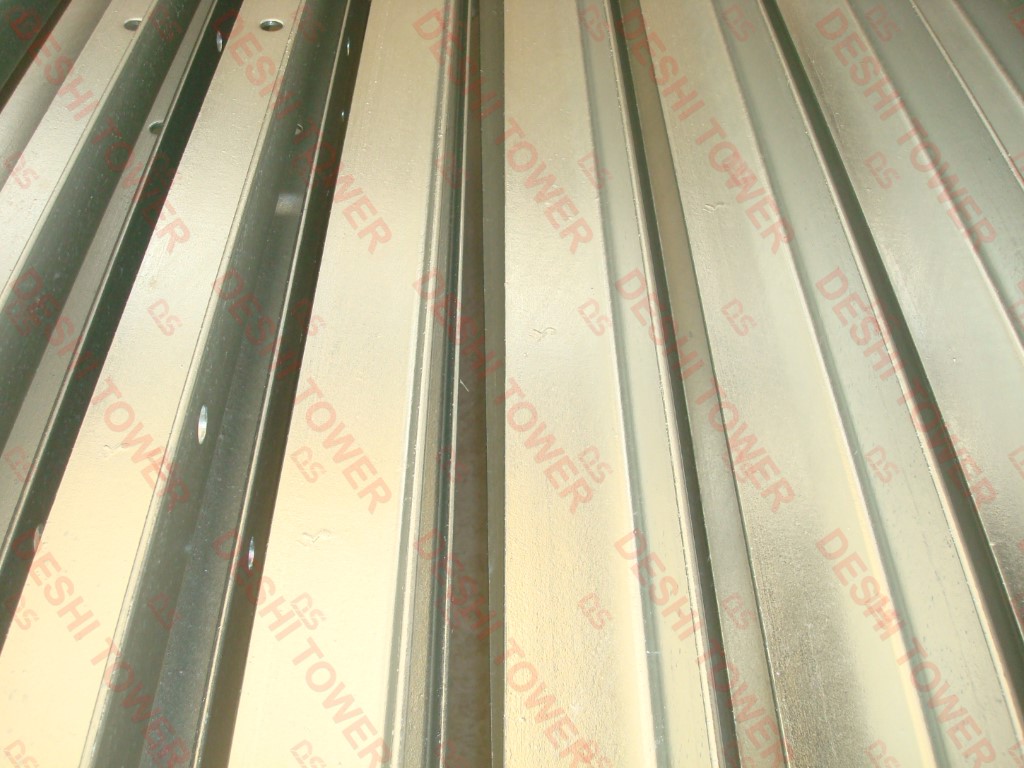
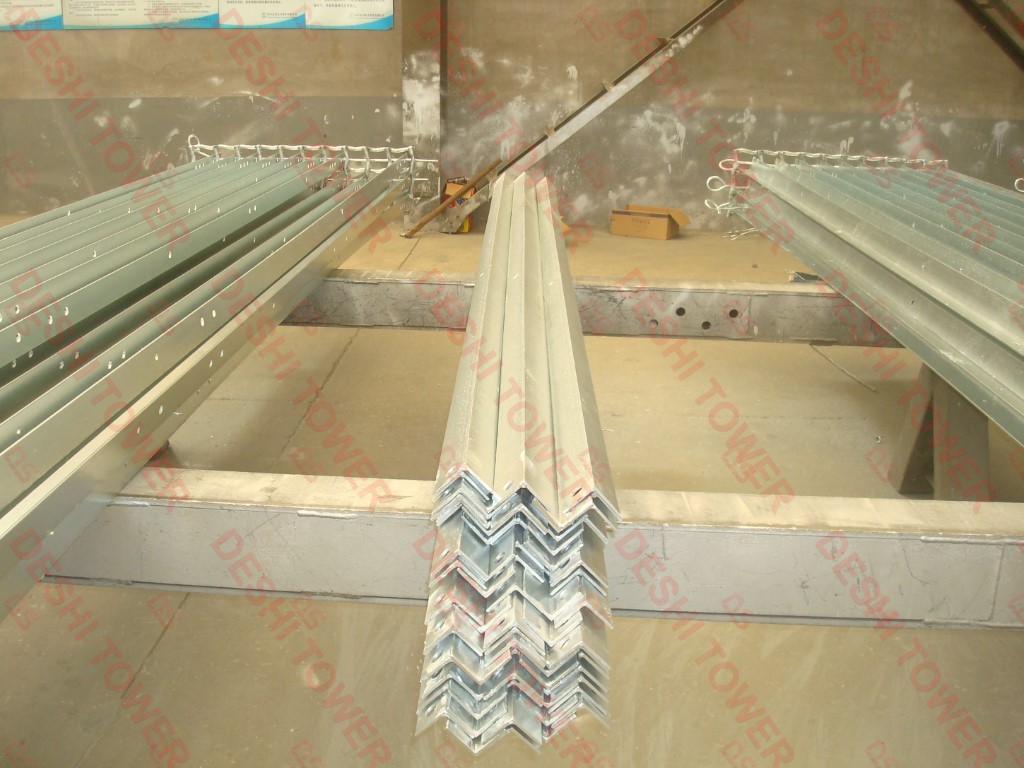
V-type transmission line tower is specifically designed for scenarios where electrical power lines need to split or branch off in different directions. This design features a distinctive “V” shape at the top, which helps to support and separate the diverging power lines effectively. These towers are crucial for maintaining the structural integrity and safety of power transmission networks, especially at junction points where lines diverge.
Key Characteristics of V-type Transmission Line Towers
- Design and Structure: The tower’s structure expands into a “V” shape at the top, where the power lines are mounted. This design allows for the physical separation of lines that are heading in different directions, reducing the chance of electrical interference and providing clear physical pathways for each line.
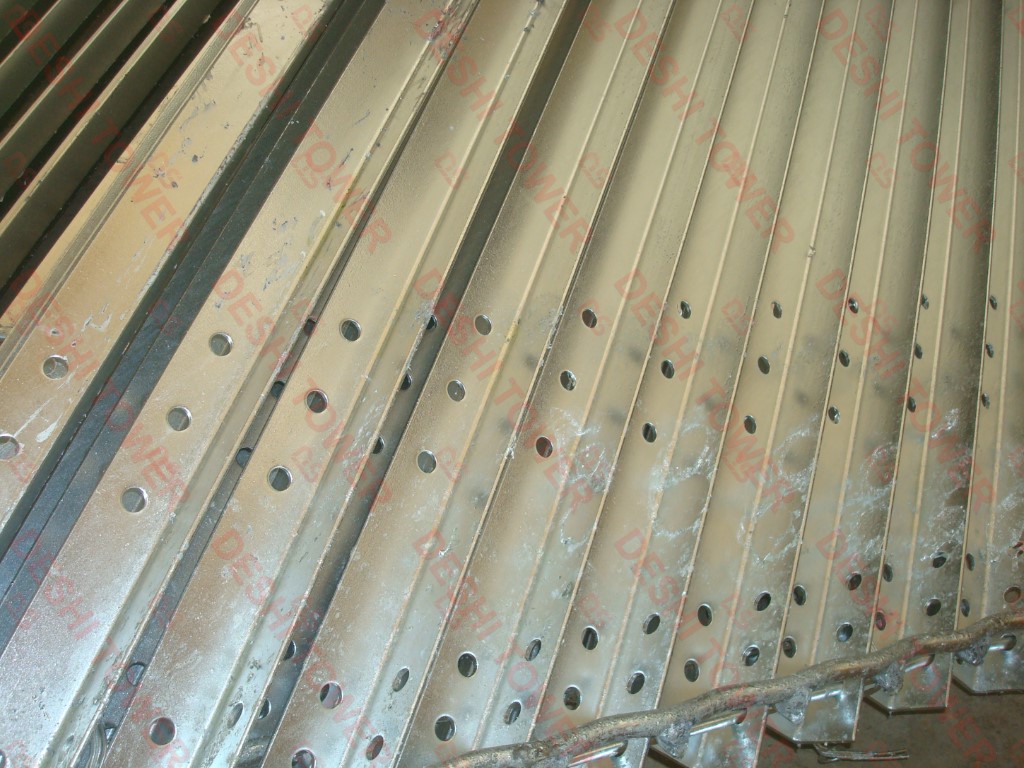
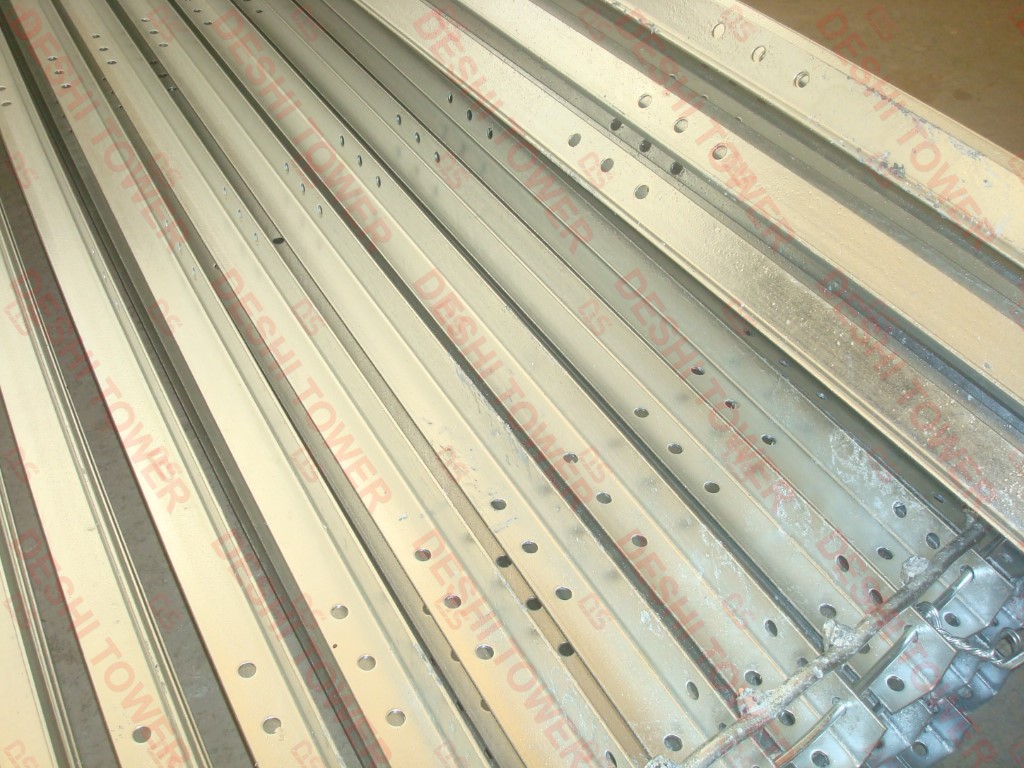
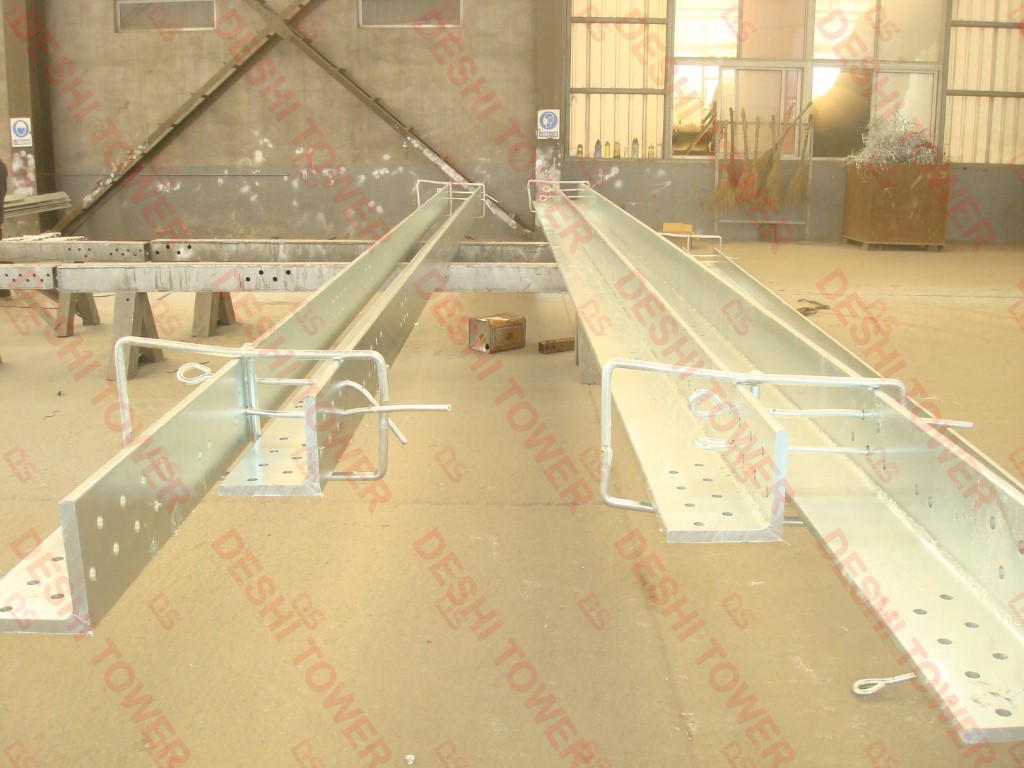
- Material: Similar to other types of transmission towers, V-type towers are primarily constructed from galvanized steel or aluminum to resist corrosion and withstand environmental factors like wind, rain, and temperature variations.
- Height and Load: The height of these towers can vary significantly based on the voltage of the lines and the geographical layout of the area. They are engineered to carry the mechanical load of the cables, which can be substantial at branching points due to the additional tension from multiple directions.
- Foundation: The foundation of a V-type tower is designed to handle not only the vertical loads from the tower and the cables but also the asymmetrical loads that occur because the cables pull in different directions.
Applications of V-type Transmission Line Towers
- Network Expansion: V-type towers are essential for expanding power transmission networks, especially in areas where new lines need to branch off from main transmission routes to reach new regions or power distribution centers.
- Flexibility in Line Routing: They provide flexibility in the routing of power lines, allowing utilities to optimize the paths of transmission lines based on geographic and environmental considerations.
- Urban and Rural Power Distribution: In urban areas, where space is limited, and in rural areas, where lines might need to branch to cover more area, V-type towers facilitate effective distribution without requiring multiple parallel towers.
Advantages
- Efficient Use of Space: By facilitating multiple line directions from a single tower, the V-type design reduces the need for additional towers and minimizes land use.
- Reduced Electrical Interference: The physical separation of lines at the branching points helps in minimizing electrical interference, which is crucial for maintaining the stability and efficiency of the power transmission.
- Enhanced Safety and Reliability: The design ensures that even if one line fails, the structure can support the remaining lines, enhancing the overall reliability of the power transmission network.
Installation Considerations
Installing a V-type tower requires careful planning to ensure that all forces are balanced and the foundation is capable of supporting the asymmetrical loads. It’s also essential to consider future expansion and maintenance access during the initial design and placement of these towers.
V-type towers are a critical component in the design and implementation of complex power transmission networks, providing a robust solution for managing the physical and electrical challenges associated with branching transmission lines.
| Product | v type transmission line tower |
| Shape | lattice |
| Material | Normally Q345B/A572, Minimum Yield Strength ≥ 345 N/mm² Q235B/A36, Minimum Yield Strength ≥ 235 N/mm². OR Q420 Q460 ASTM A572 GR65, GR50, SS400 |
| Electric Voltage | 10kv, 11kv, 32kv, 33kv, 35kv, 65kv, 66kv, 90kv, 92kv, 110kv, 115kv, 132kv, 220kv, 230kv, 300kv, 320kv, 330kv, 345kv, 380kv, 400kv 500kv, 750kv, 765kv, 800kv,850kv, 1000kv, 1100kv |
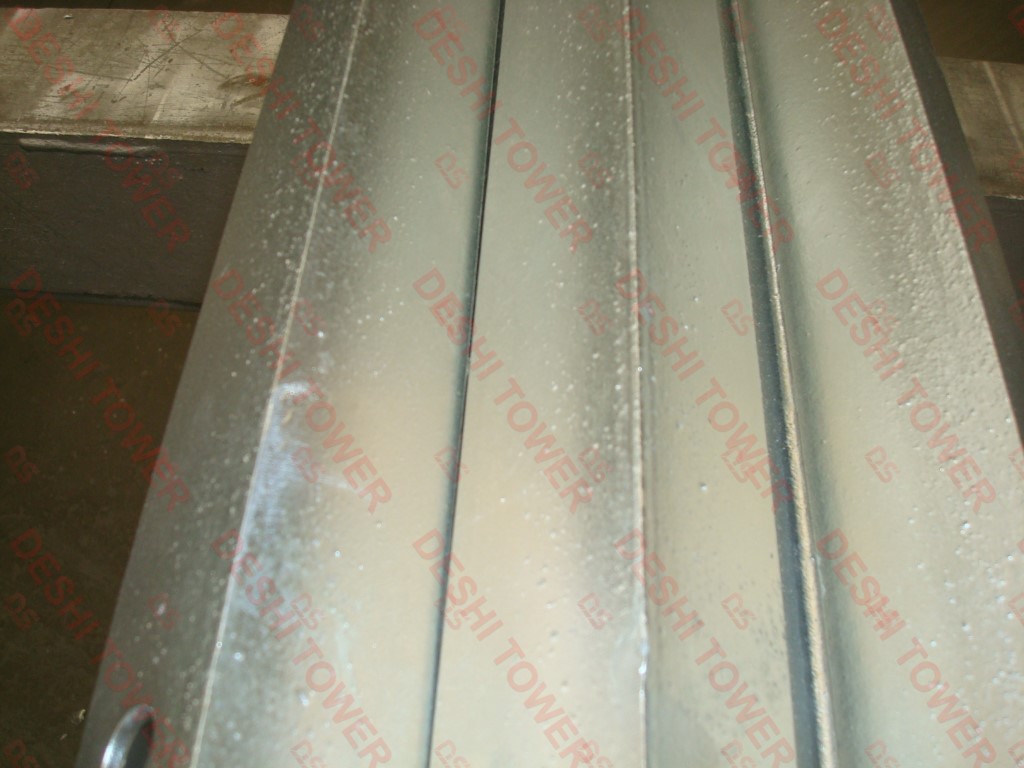
| Surface treatment | Hot dip galvanized Following ASTM A 123, BS729 or as client required. |
| connection | bolt connection |
| Standard | ISO 9001:2008 |
| Height: | below 60 meters |
| Surface treatment: | galvanization and color painted |
| Welding Standard | AWS (American Welding Society ) D 1.1 |
| Production Process | Raw material test → Cutting →Welding →Hole drilling →Dimension verify →sample assemble → surface clean→ Galvanization or powder coating ,painting →Recalibration →Packages |
| Packages | Packing with plastic paper, steel box or according to client’s request. |
Deshi Tower specializes in the design, manufacture, and construction support of transmission towers, communication towers, steel structures, and observation towers.
Transmission tower design adheres to ASCE/SEI standards. Telecommunication tower design follows ANSI/TIA-222 standards. We are not just manufacturers and suppliers, but also your technical support and partners.

If you need professional product quotations, technical & construction support, please email to us or submit the following sheet, we will contact you in 24 hours and pls check your emailbox. Your connection information will just be known by ourselves.