- Provide global users with the design, manufacturing, supply, and installation of steel towers and structures.

-
Weifang ,Shandong,P.R.C
-
-
5g antenna tower
Self-Supporting Towers
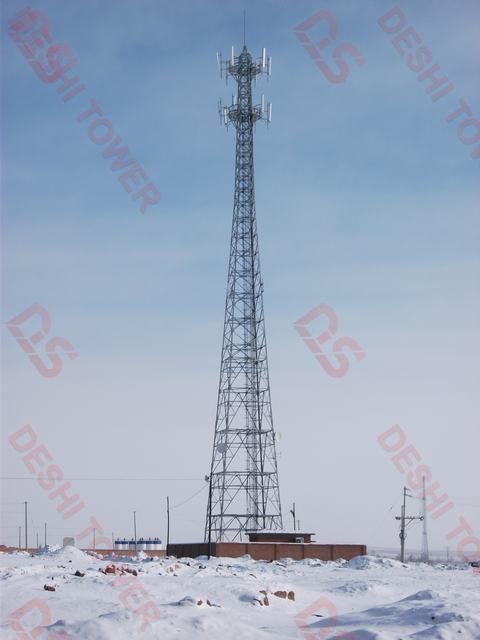
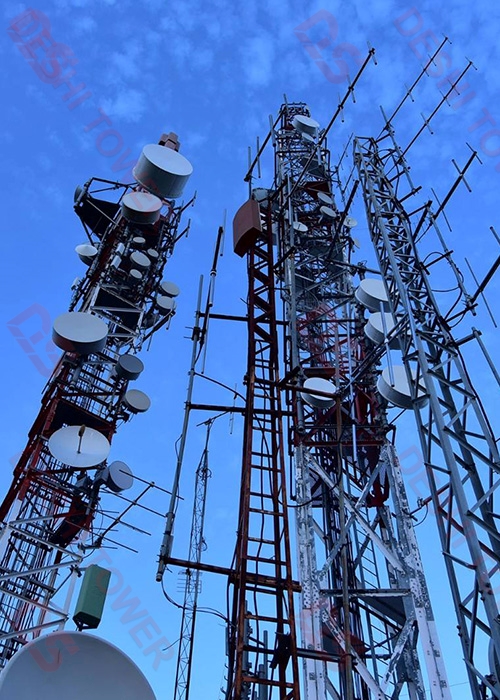

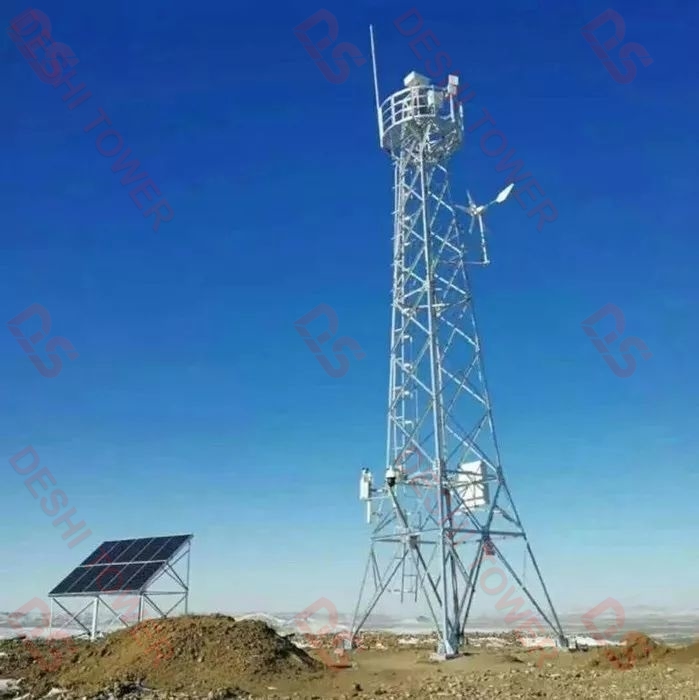

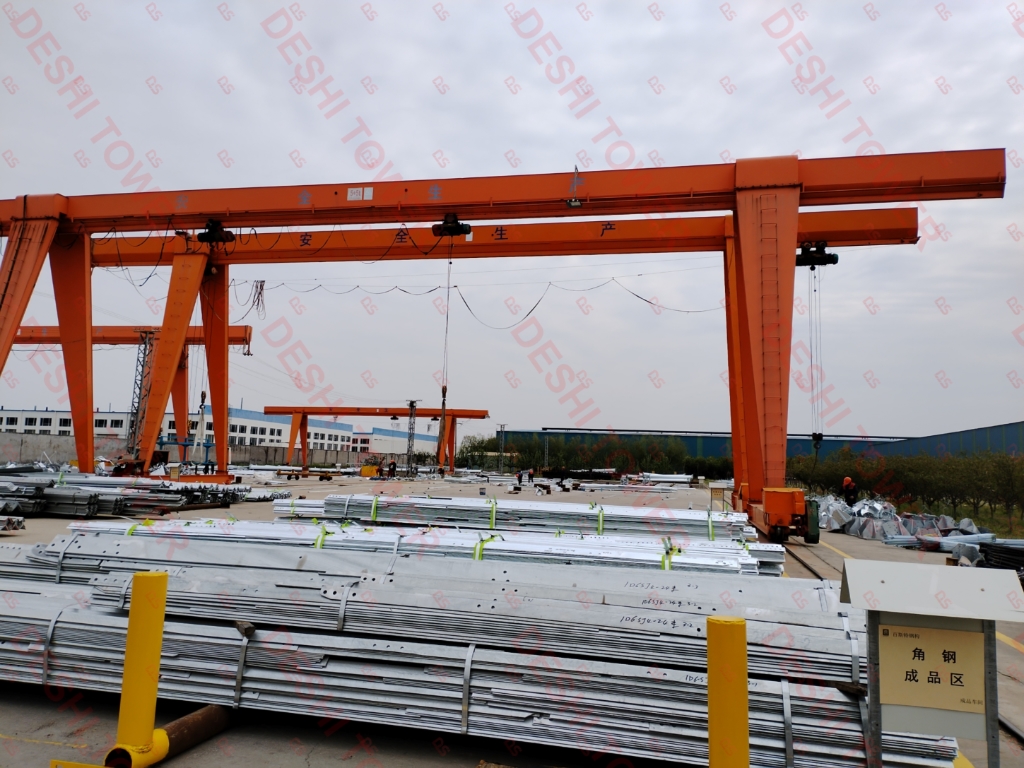
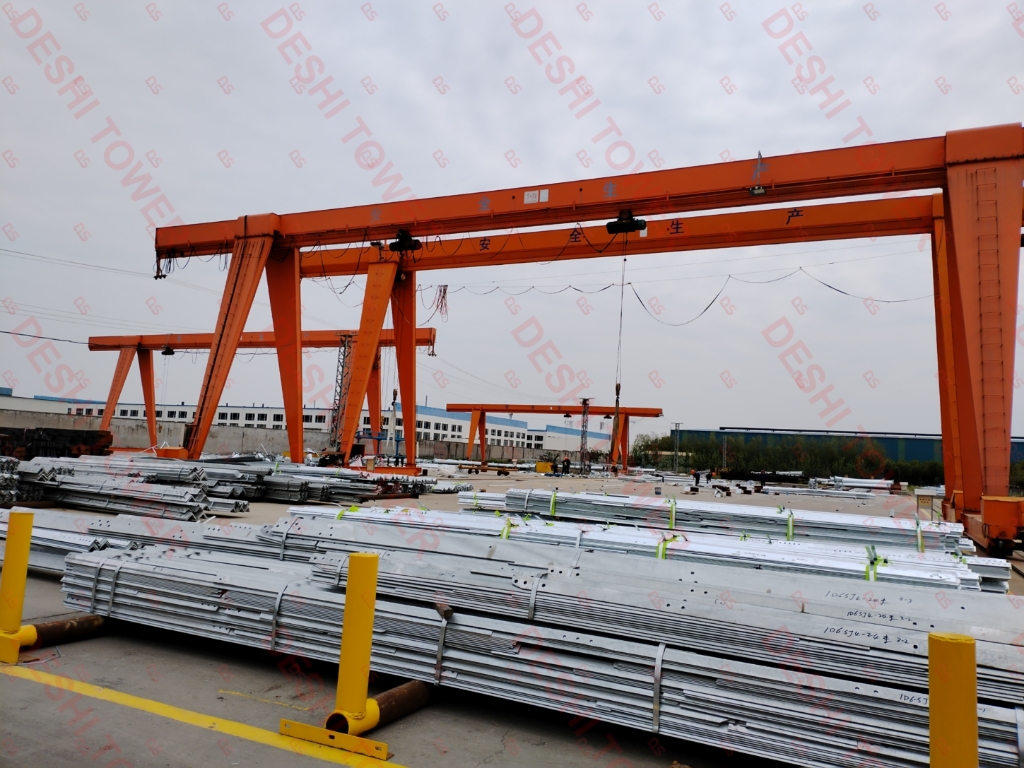
A 5G antenna tower, also known as a 5G cell tower or base station, is a crucial component of 5G wireless networks, designed to transmit and receive 5G radio signals to provide high-speed mobile internet access and support a wide range of connected devices. Here are the key features and aspects of 5G antenna towers:
- 5G Technology: 5G antenna towers are equipped with advanced antenna systems capable of transmitting and receiving high-frequency radio waves used in 5G networks. These towers support technologies such as massive MIMO (Multiple Input, Multiple Output) and beamforming to enhance data capacity, speed, and reliability.
- Coverage and Capacity: 5G antenna towers are strategically located to provide extensive coverage in urban, suburban, and densely populated areas. They are designed to handle higher data traffic volumes and support a larger number of simultaneous connections compared to previous generations of cellular networks.
- Antenna Systems: These towers use sophisticated antenna arrays that can focus beams directly to user devices (beamforming), improving signal strength and reducing interference. They may also utilize small cells in dense urban environments to enhance coverage and capacity.
- Tower Design: The design of 5G antenna towers varies based on deployment location, local regulations, and coverage requirements. Towers can range from traditional monopoles to smaller installations like small cells on utility poles or streetlights, aimed at increasing network density and capacity in specific areas.
- Backhaul Connectivity: Like other cellular infrastructure, 5G antenna towers require robust backhaul connections to link them with the core network. These connections typically use fiber optic cables, microwave links, or other high-capacity transmission technologies to handle large volumes of data traffic efficiently.
- Power Supply and Efficiency: Ensuring continuous operation, 5G antenna towers are connected to reliable power sources. They often incorporate energy-efficient technologies and may include backup power systems to maintain service during power outages.
- Regulatory Compliance: Deploying 5G antenna towers involves complying with local zoning laws, environmental regulations, and safety standards. Wireless carriers must obtain permits and approvals from regulatory bodies before installation to ensure compliance with guidelines.
- Network Optimization: Operators continually optimize 5G networks by monitoring performance metrics, adjusting antenna configurations, and deploying additional infrastructure where needed to improve coverage, capacity, and user experience.
- Security and Maintenance: To prevent unauthorized access and ensure reliability, 5G antenna towers are secured and undergo regular maintenance. This includes inspections and upkeep of both tower infrastructure and associated electronics.
5G antenna towers represent a significant advancement in telecommunications infrastructure, enabling faster speeds, lower latency, and greater connectivity for a variety of applications including IoT (Internet of Things), smart cities, and augmented reality.
| Product | 5g antenna tower |
| Shape | lattice |
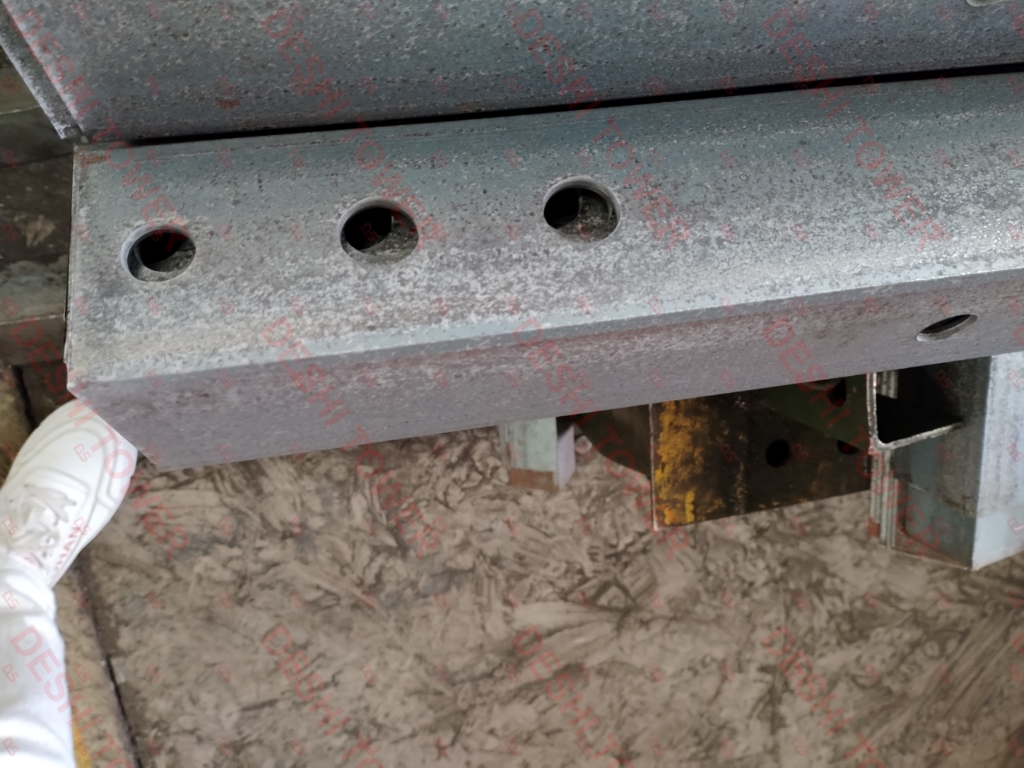
| Material | Normally Q345B/A572, Minimum Yield Strength ≥ 345 N/mm² Q235B/A36, Minimum Yield Strength ≥ 235 N/mm². OR Q420 Q460 ASTM A572 GR65, GR50, SS400 |
| Surface treatment | Hot dip galvanized Following ASTM A 123, BS729 or as client required. |
| connection | bolt connection |
| Standard | ISO 9001:2008 |
| Height: | below 150 meters |
| Surface treatment: | galvanization and color painted |
| Welding Standard | AWS (American Welding Society ) D 1.1 |
| Production Process | Raw material test → Cutting →Welding →Hole drilling →Dimension verify →sample assemble → surface clean→ Galvanization or powder coating ,painting →Recalibration →Packages |
| Packages | Packing with plastic paper, steel box or according to client’s request. |
Deshi Tower specializes in the design, manufacture, and construction support of transmission towers, communication towers, steel structures, and observation towers.
Transmission tower design adheres to ASCE/SEI standards. Telecommunication tower design follows ANSI/TIA-222 standards. We are not just manufacturers and suppliers, but also your technical support and partners.

If you need professional product quotations, technical & construction support, please email to us or submit the following sheet, we will contact you in 24 hours and pls check your emailbox. Your connection information will just be known by ourselves.