- Provide global users with the design, manufacturing, supply, and installation of steel towers and structures.

-
Weifang ,Shandong,P.R.C
-
-
gsm cell tower
Self-Supporting Towers
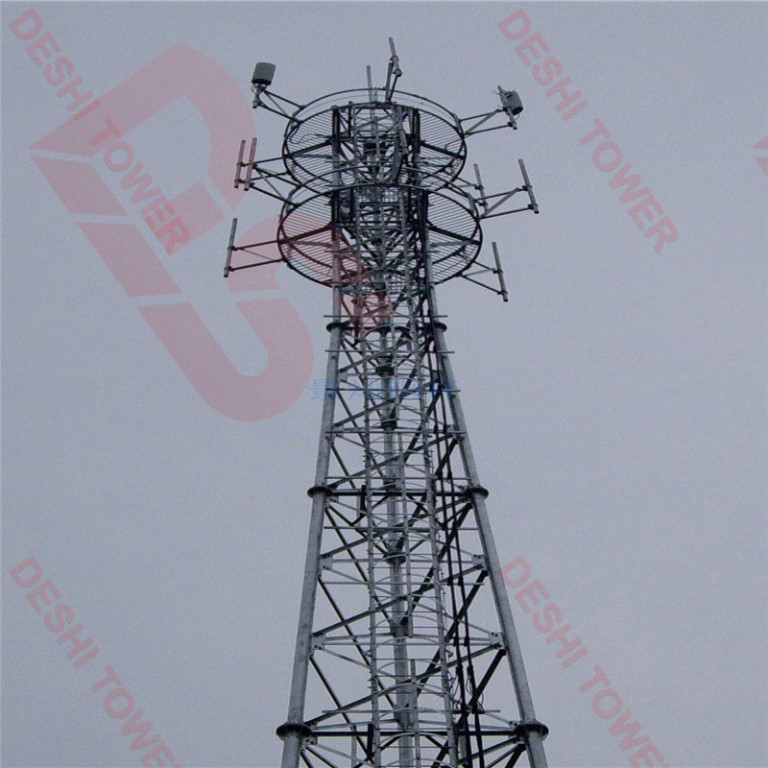


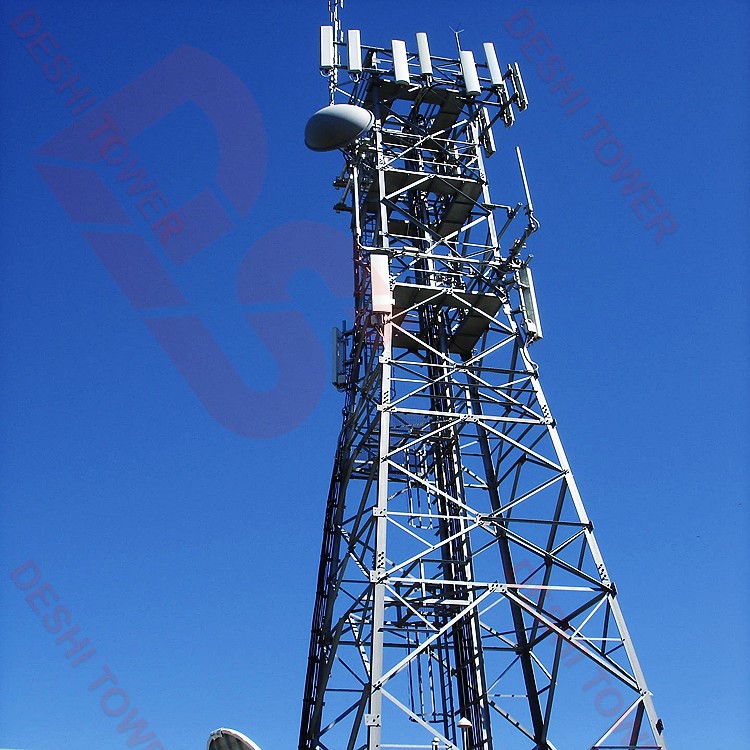
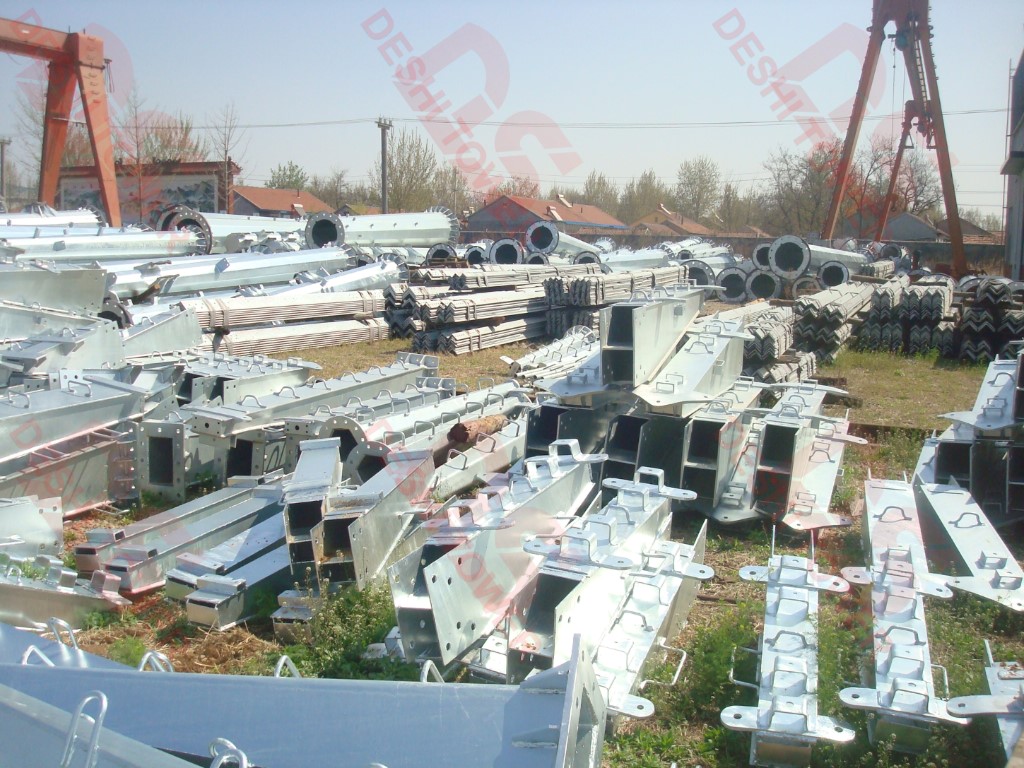
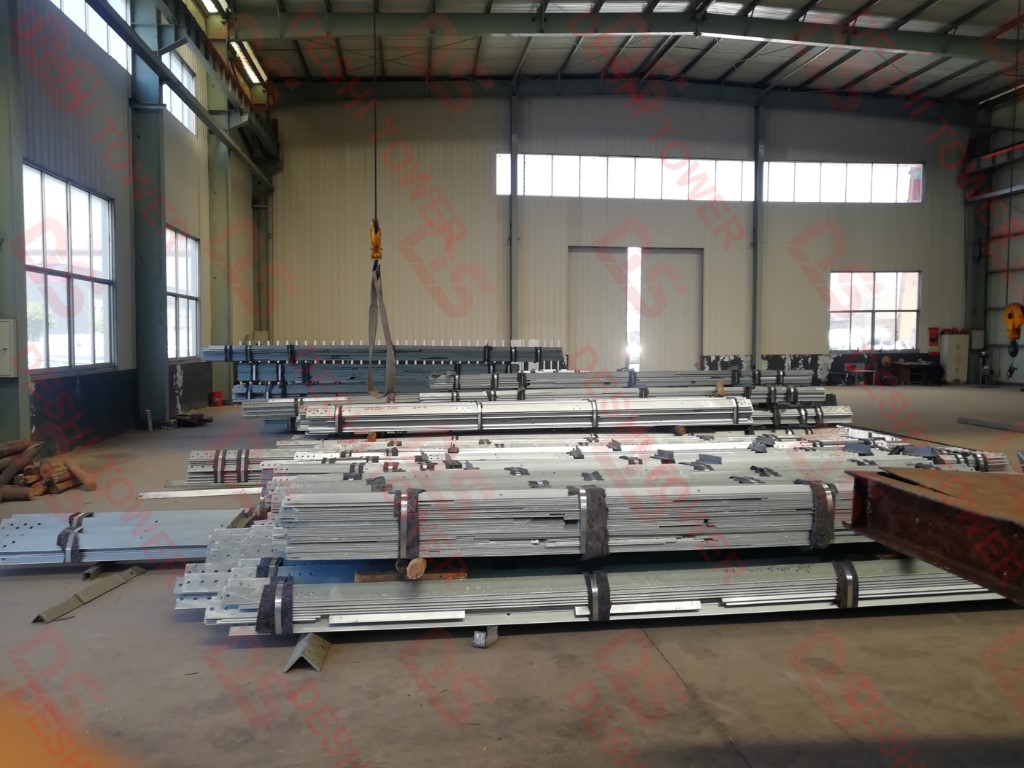
A GSM cell tower, also known as a GSM base station or GSM cell site, is a key component of the Global System for Mobile Communications (GSM) network. GSM is a widely used standard for digital cellular communication, serving as the foundation for 2G, 3G, and early 4G mobile networks.
GSM cell towers are responsible for providing coverage, transmitting and receiving voice and data signals, and connecting mobile devices to the broader telecommunications network. These towers are strategically located to create a network of overlapping coverage areas, or cells, ensuring continuous connectivity for mobile subscribers.
The typical components of a GSM cell tower include:
- Antennas: GSM cell towers are equipped with directional or omnidirectional antennas designed to transmit and receive radio signals. These antennas are often mounted at the top of the tower structure to maximize coverage and signal propagation.
- Transceivers: These are the radio equipment responsible for transmitting and receiving GSM signals. They handle voice and data communication between mobile devices and the core network infrastructure.
- Base Station Controller (BSC): The BSC is a critical component that manages and controls multiple GSM cell sites within a specific geographic area. It coordinates handovers between cells and manages radio resources to optimize network performance.
- Equipment Shelter: GSM cell towers often house electronic equipment, power supplies, and network infrastructure within a shelter or cabinet located at the base of the tower.
GSM cell towers operate within specific frequency bands allocated for GSM communication, allowing for voice calls, text messaging, and data services. They are designed to support a large number of mobile subscribers within their coverage area, and their configuration can vary based on factors such as population density, terrain, and network capacity requirements.
Overall, GSM cell towers play a crucial role in providing widespread mobile communication coverage, forming the backbone of cellular networks and enabling seamless connectivity for mobile users.
| Product | gsm cell tower |
| Shape | lattice |
| Material | Normally Q345B/A572, Minimum Yield Strength ≥ 345 N/mm² Q235B/A36, Minimum Yield Strength ≥ 235 N/mm². OR Q420 Q460 ASTM A572 GR65, GR50, SS400 |
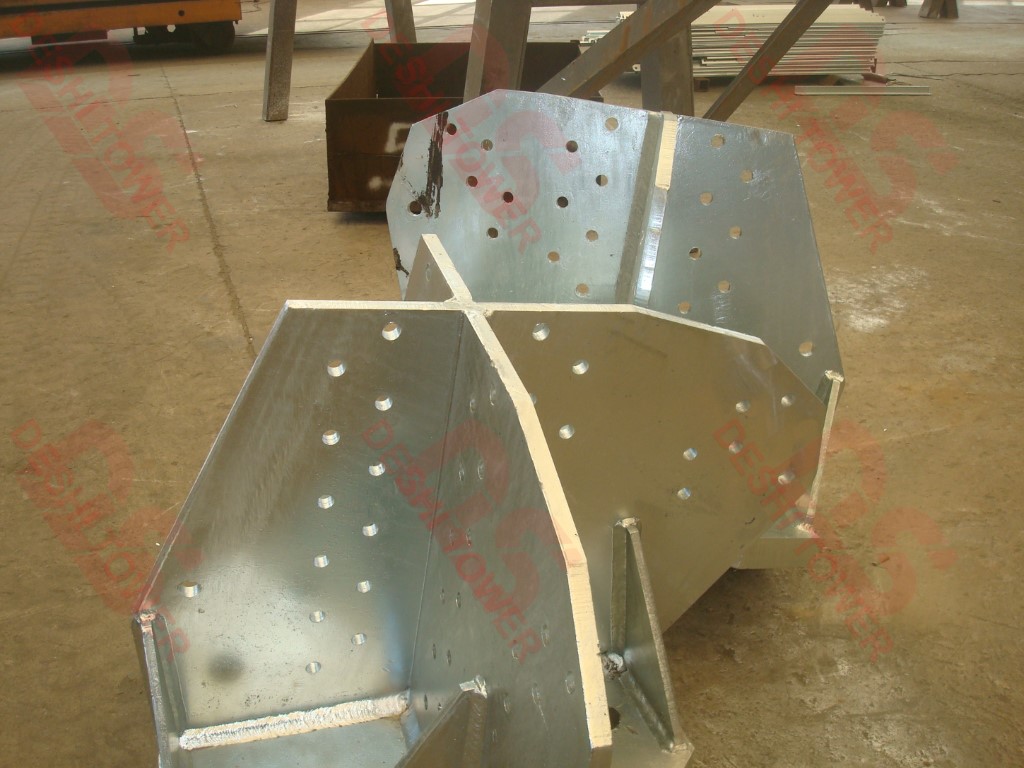
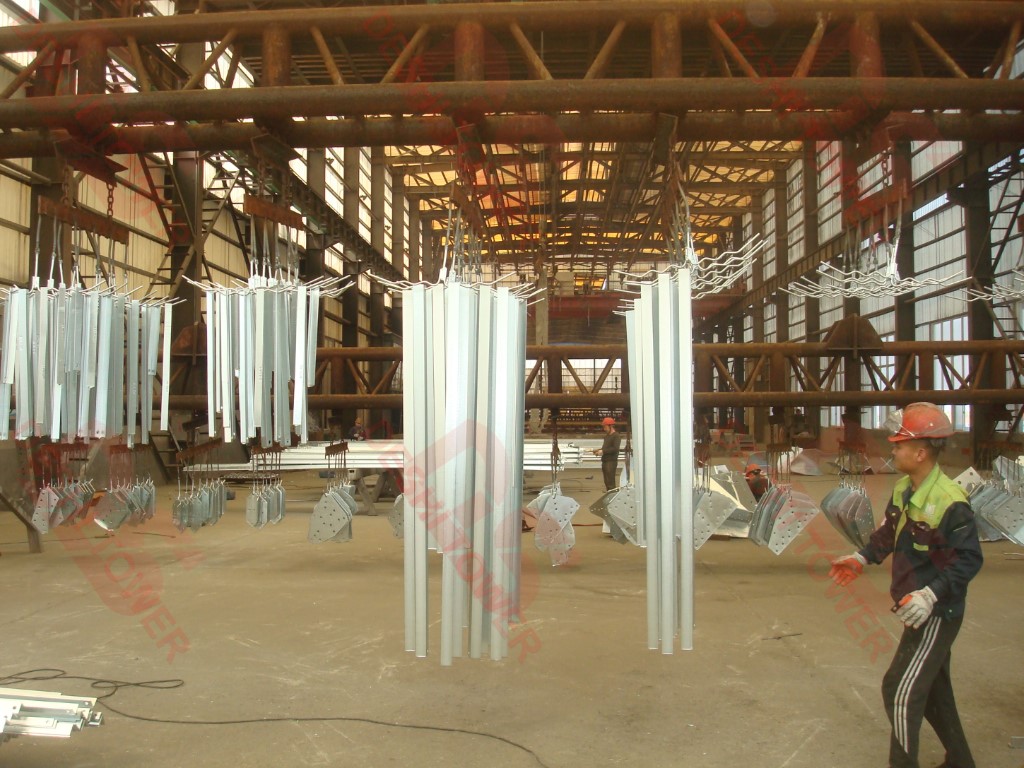
| Surface treatment | Hot dip galvanized Following ASTM A 123, BS729 or as client required. |
| connection | bolt connection |
| Standard | ISO 9001:2008 |
| Height: | 20 ft, 25 ft, 30 ft, 40 ft, 50 ft, 60 ft, 70 ft, 75 ft, 80 ft, 100 ft, 200 ft, 500 ft, 600 ft, etc. |
| Surface treatment: | galvanization and color painted |
| Welding Standard | AWS (American Welding Society ) D 1.1 |
| Production Process | Raw material test → Cutting →Welding →Hole drilling →Dimension verify →sample assemble → surface clean→ Galvanization or powder coating ,painting →Recalibration →Packages |
| Packages | Packing with plastic paper, steel box or according to client’s request. |
Deshi Tower specializes in the design, manufacture, and construction support of transmission towers, gsm cell towers, steel structures, and observation towers.
Transmission tower design adheres to ASCE/SEI standards. gsm cell tower design follows ANSI/TIA-222 standards. We are not just manufacturers and suppliers, but also your technical support and partners.

If you need professional product quotations, technical & construction support, please email to us or submit the following sheet, we will contact you in 24 hours and pls check your emailbox. Your connection information will just be known by ourselves.