- Provide global users with the design, manufacturing, supply, and installation of steel towers and structures.

-
Weifang ,Shandong,P.R.C
-
-
lattice cell tower
Self-Supporting Towers
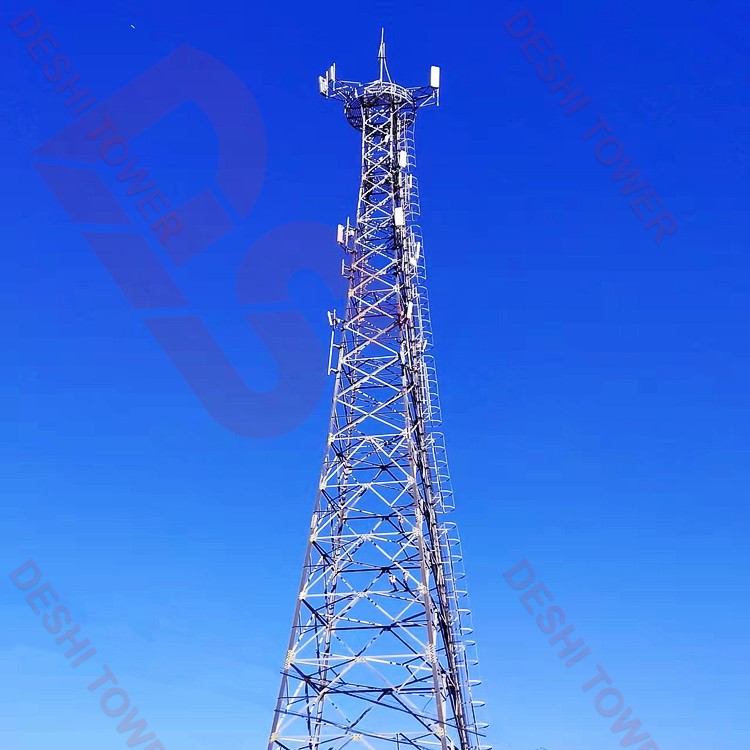

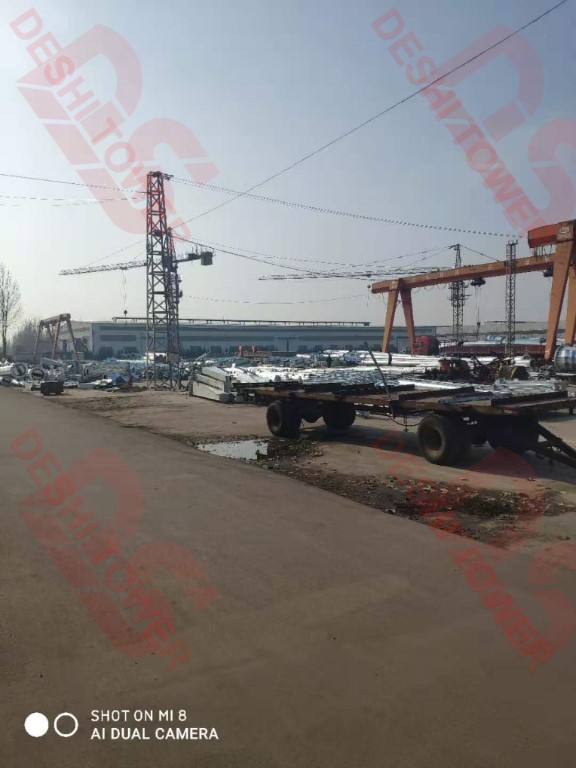
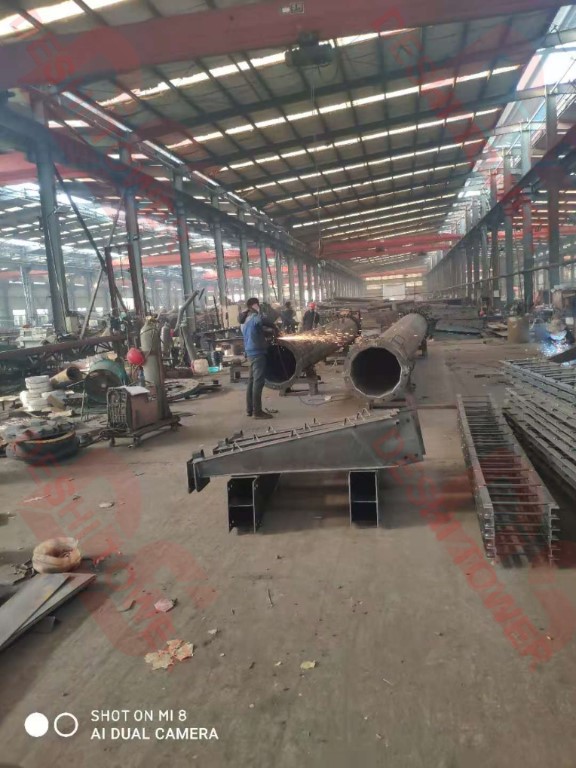
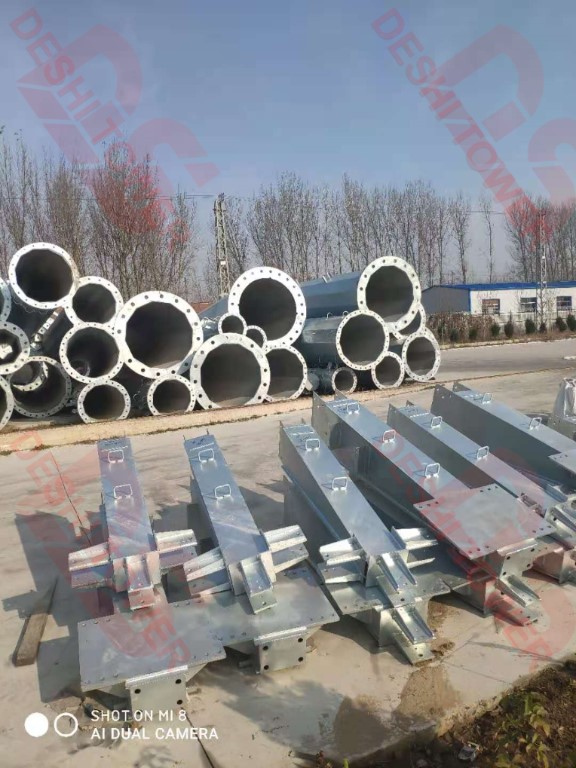
A lattice cell tower, also known as a lattice tower or lattice mast, is a type of cellular antenna tower characterized by its framework structure, consisting of metal lattice sections bolted or welded together to form a tall, open framework. These towers are commonly used to support antennas for wireless communication in cellular networks, broadcasting, and other communication applications.
Unlike traditional solid tower structures, lattice cell towers feature an open framework design that reduces wind resistance while providing structural support for antennas and other communication equipment. This design makes them lightweight, cost-effective, and relatively easy to install and maintain compared to other types of towers.
Lattice cell towers come in various heights and configurations, ranging from relatively low-profile installations to tall structures capable of supporting multiple antennas for different wireless communication technologies. They are commonly used in both urban and rural areas to provide coverage for mobile phones, data services, and other wireless devices.
These towers are part of a larger cellular network infrastructure that includes base stations, antennas, and other equipment. They are strategically located to ensure comprehensive coverage and network reliability, with multiple towers forming a network of coverage areas, or cells, that collectively provide seamless connectivity across a geographical region.
The design and specifications of lattice cell towers can vary based on factors such as the terrain, population density, and network capacity requirements. They are engineered to withstand environmental forces such as wind, ice, and seismic activity, ensuring stability and reliability over time.
Overall, lattice cell towers are fundamental components of modern telecommunications infrastructure, providing essential support for wireless communication and enabling ubiquitous mobile connectivity worldwide.
| Product | lattice cell tower |
| Shape | lattice |
| Material | Normally Q345B/A572, Minimum Yield Strength ≥ 345 N/mm² Q235B/A36, Minimum Yield Strength ≥ 235 N/mm². OR Q420 Q460 ASTM A572 GR65, GR50, SS400 |
| Surface treatment | Hot dip galvanized Following ASTM A 123, BS729 or as client required. |
| connection | bolt connection |
| Standard | ISO 9001:2008 |
| Height: | 20 ft, 25 ft, 30 ft, 40 ft, 50 ft, 60 ft, 70 ft, 75 ft, 80 ft, 100 ft, 200 ft, 500 ft, 600 ft, etc. |
| Surface treatment: | galvanization and color painted |
| Welding Standard | AWS (American Welding Society ) D 1.1 |
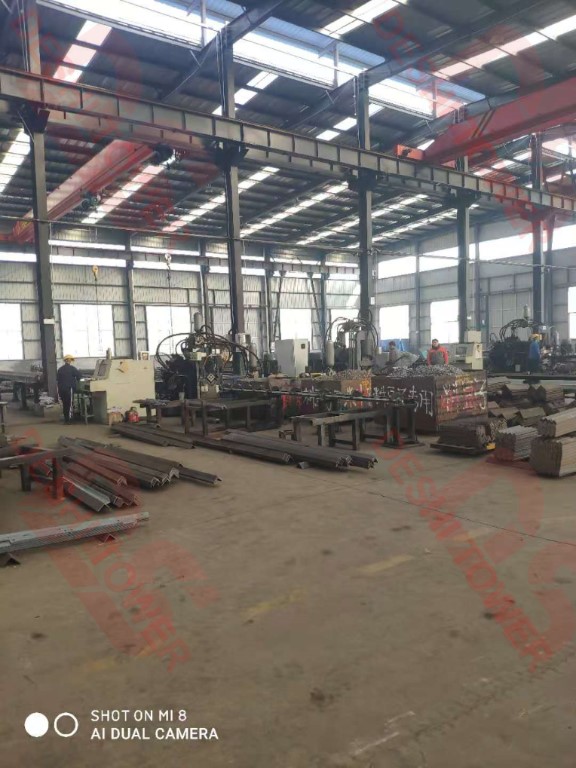
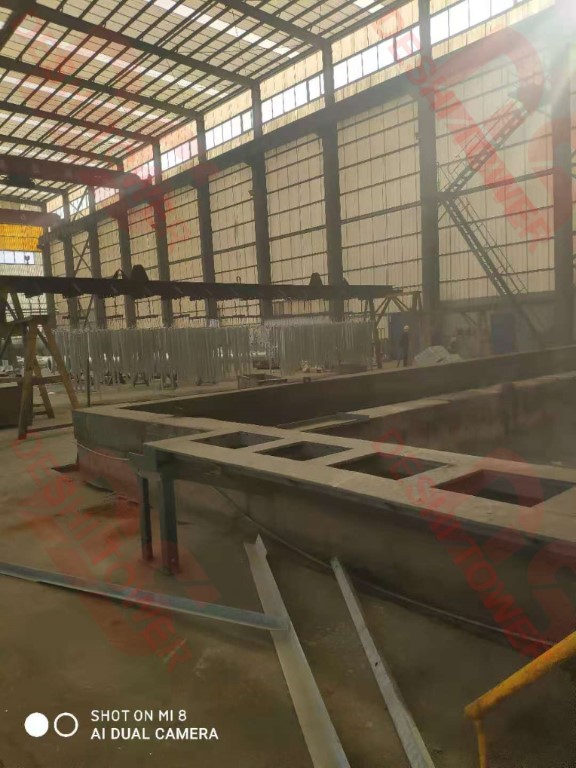
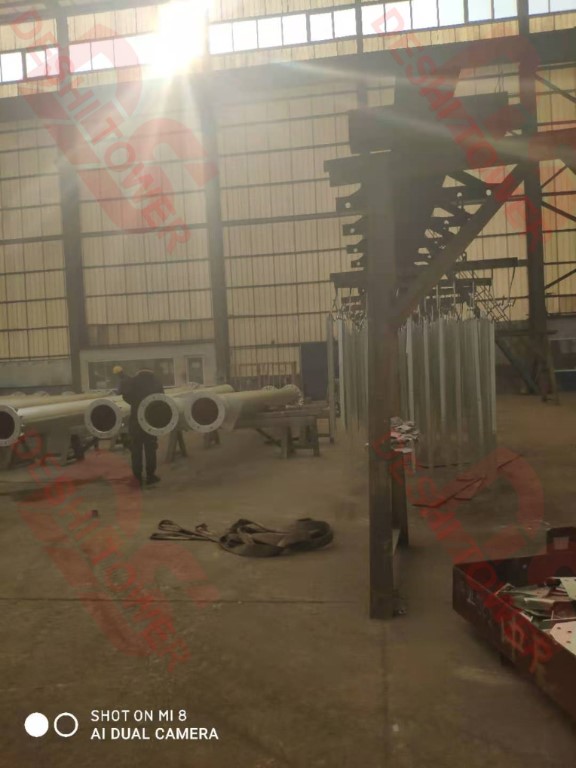
| Production Process | Raw material test → Cutting →Welding →Hole drilling →Dimension verify →sample assemble → surface clean→ Galvanization or powder coating ,painting →Recalibration →Packages |
| Packages | Packing with plastic paper, steel box or according to client’s request. |
Deshi Tower specializes in the design, manufacture, and construction support of transmission towers, lattice cell towers, steel structures, and observation towers.
Transmission tower design adheres to ASCE/SEI standards. lattice cell tower design follows ANSI/TIA-222 standards. We are not just manufacturers and suppliers, but also your technical support and partners.

If you need professional product quotations, technical & construction support, please email to us or submit the following sheet, we will contact you in 24 hours and pls check your emailbox. Your connection information will just be known by ourselves.