- Provide global users with the design, manufacturing, supply, and installation of steel towers and structures.

-
Weifang ,Shandong,P.R.C
-
-
220kv electrical tower
Lattice Transmission Tower
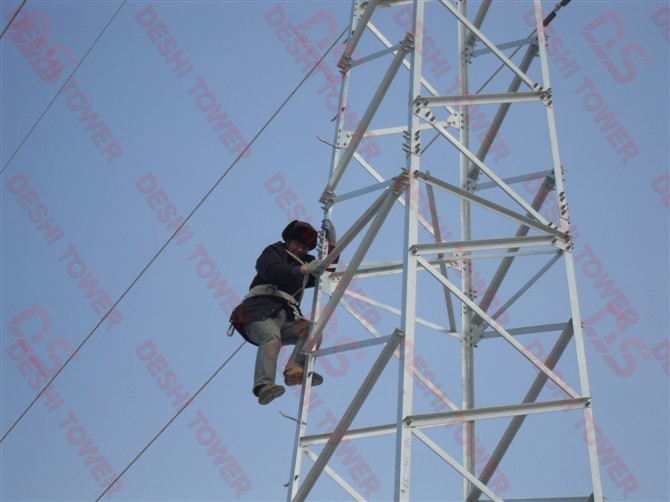
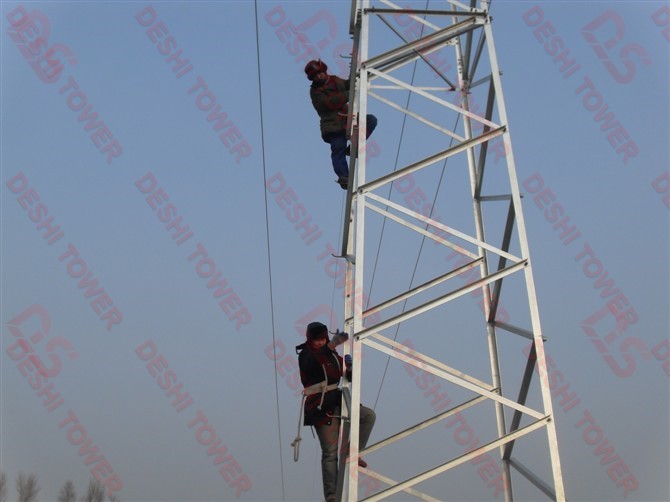
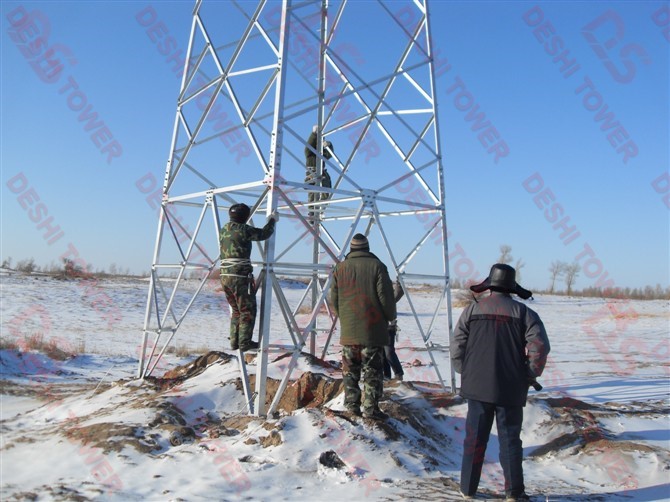
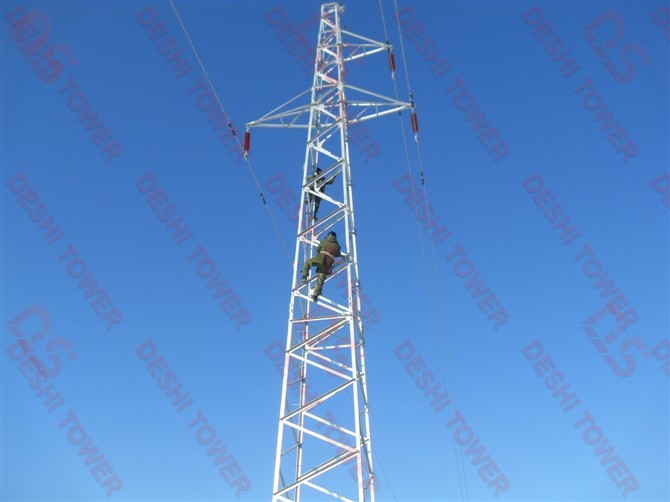
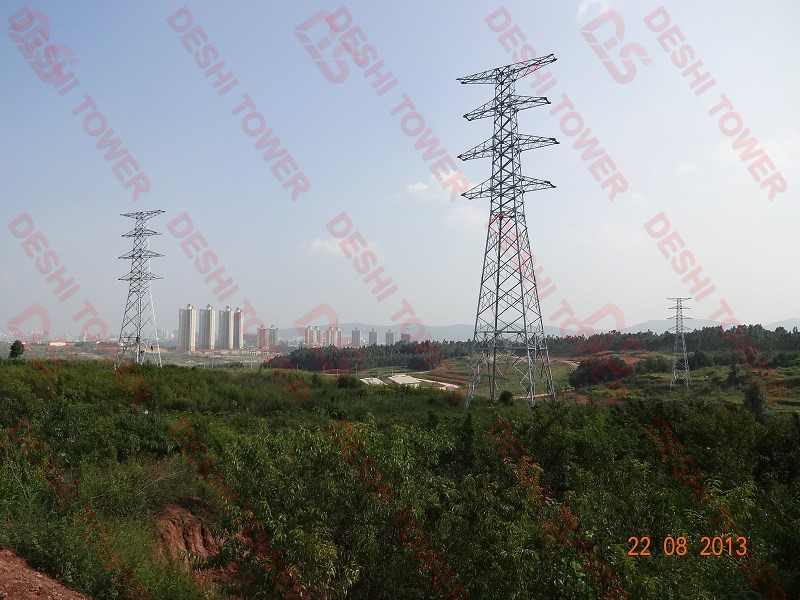
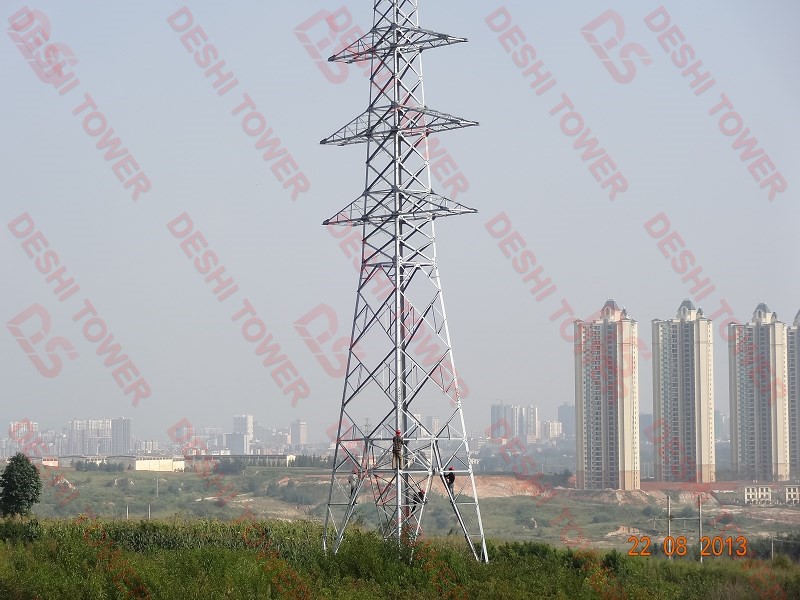
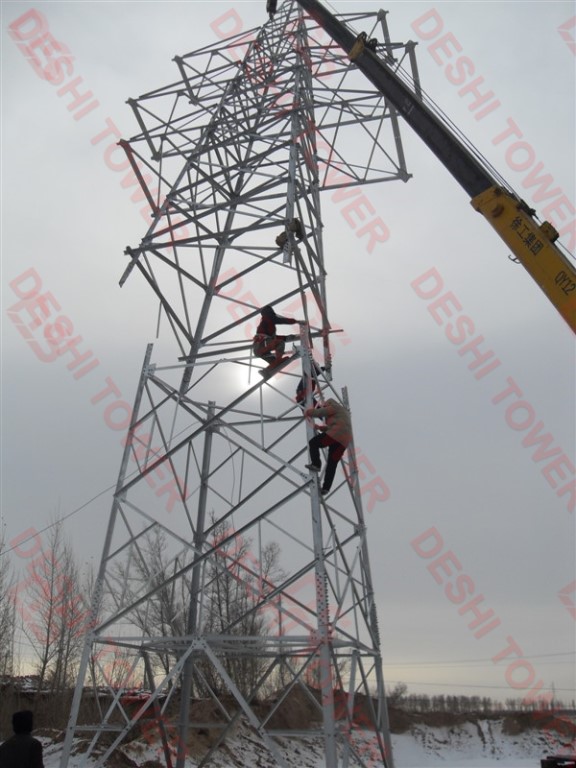
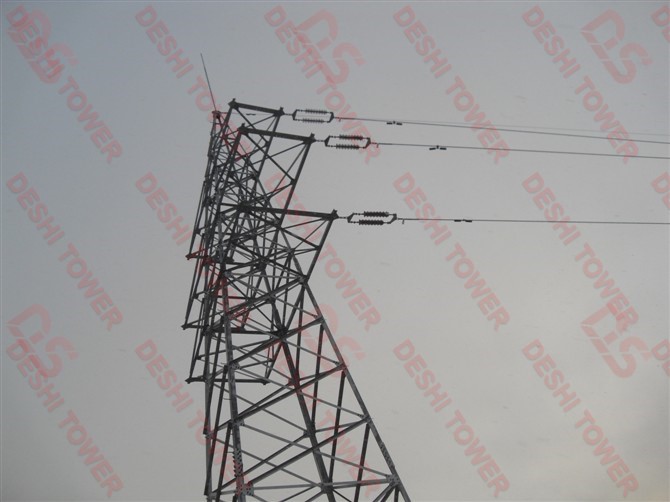
For a 220kV electrical tower, which is part of high-voltage power transmission infrastructure, here are some key aspects to consider regarding its design, construction, and maintenance:
Design and Specifications
- Height and Structure: The tower’s height and structural design are critical to ensure adequate ground clearance and support the weight of the power lines and withstand environmental loads (e.g., wind, ice).
- Materials: Commonly constructed from galvanized steel or aluminum for corrosion resistance and durability.
- Configuration: Depending on the terrain and the amount of power to be transmitted, the configuration may vary between lattice and monopole designs.
Construction and Installation
- Foundation: The foundation must be robust, typically concrete, designed according to soil conditions and tower load.
- Assembly: Tower sections are usually prefabricated and assembled on-site, which requires precision and expertise.
- Safety Standards: Construction must adhere to strict safety standards, including considerations for electrical and fall hazards.
Compliance and Standards
- Electrical Standards: Must meet specific standards such as those set by the International Electrotechnical Commission (IEC) or local regulatory bodies, focusing on safety and functionality.
- Environmental Impact: Compliance with environmental regulations, including assessments of the impact on local ecosystems and measures to mitigate adverse effects.
Maintenance and Servicing
- Inspections: Regular inspections are necessary to check for structural integrity, corrosion, and other potential issues.
- Accessibility: Design considerations should include ease of access for maintenance teams, possibly incorporating features like climb assists or rest platforms.
Supplier and Manufacturer Selection
- Reputation: Choose suppliers known for quality and reliability, with proven track records in high-voltage transmission projects.
- Support Services: Look for suppliers who provide comprehensive support, including installation, maintenance, and emergency services.
By considering these aspects, you can ensure that the 220kV electrical tower is suitable for its purpose, compliant with necessary standards, and durable enough to withstand environmental and operational stresses.
| Product | 220kv electrical tower |
| Shape | lattice |
| Material | Normally Q345B/A572, Minimum Yield Strength ≥ 345 N/mm² Q235B/A36, Minimum Yield Strength ≥ 235 N/mm². OR Q420 Q460 ASTM A572 GR65, GR50, SS400 |
| Electric Voltage | 220kv |
| Surface treatment | Hot dip galvanized Following ASTM A 123, BS729 or as client required. |
| connection | bolt connection |
| Standard | ISO 9001:2008 |
| Height: | below 60 meters |
| Surface treatment: | galvanization and color painted |
| Welding Standard | AWS (American Welding Society ) D 1.1 |
| Production Process | Raw material test → Cutting →Welding →Hole drilling →Dimension verify →sample assemble → surface clean→ Galvanization or powder coating ,painting →Recalibration →Packages |
| Packages | Packing with plastic paper, steel box or according to client’s request. |
Deshi Tower specializes in the design, manufacture, and construction support of transmission towers, communication towers, steel structures, and observation towers.
Transmission tower design adheres to ASCE/SEI standards. Telecommunication tower design follows ANSI/TIA-222 standards. We are not just manufacturers and suppliers, but also your technical support and partners.

If you need professional product quotations, technical & construction support, please email to us or submit the following sheet, we will contact you in 24 hours and pls check your emailbox. Your connection information will just be known by ourselves.