- Provide global users with the design, manufacturing, supply, and installation of steel towers and structures.

-
Weifang ,Shandong,P.R.C
-
-
high tension electric tower
Lattice Transmission Tower
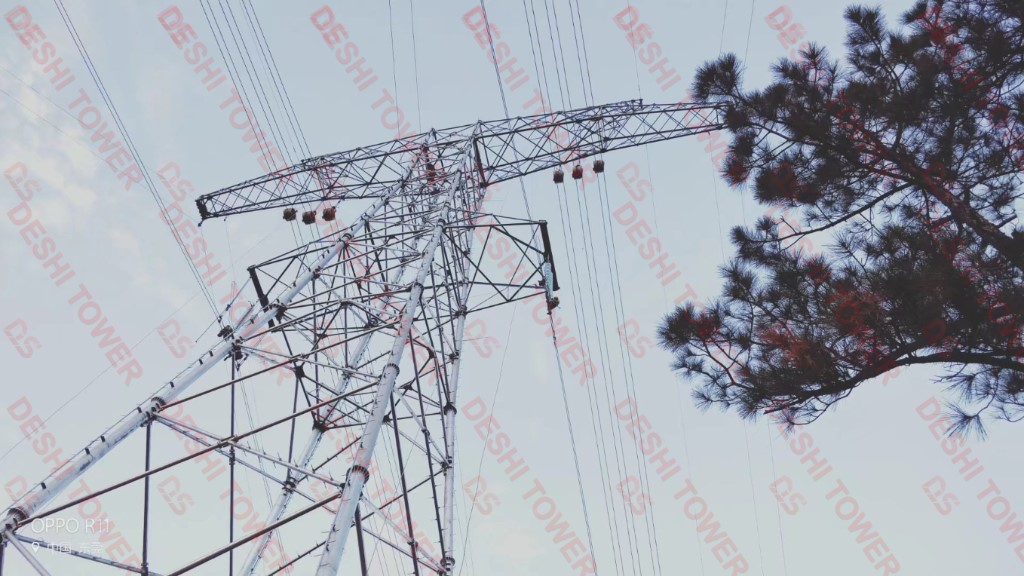

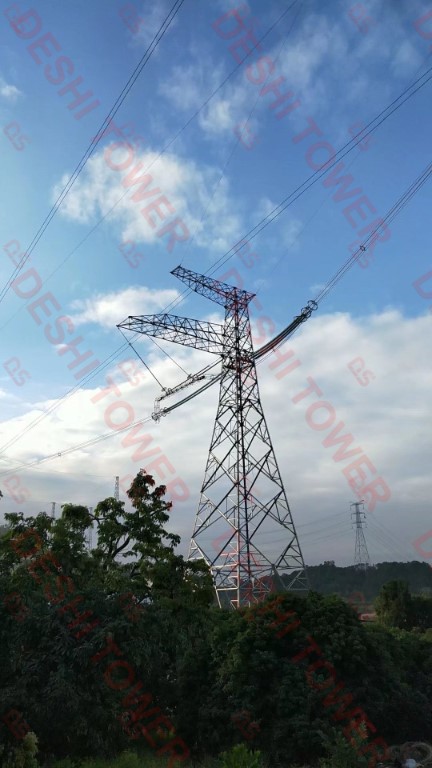
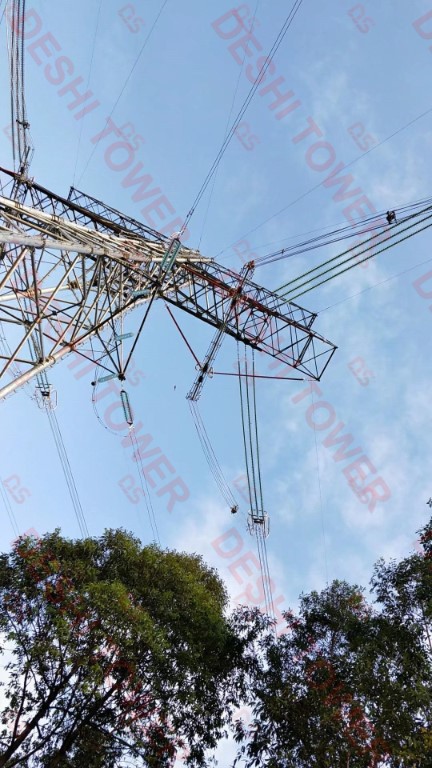
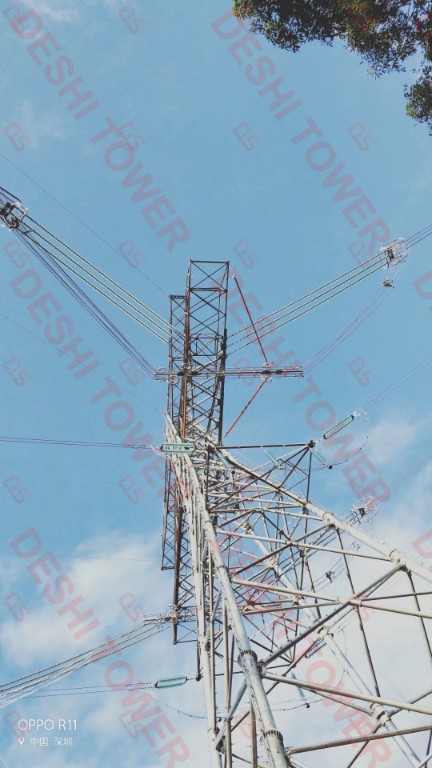

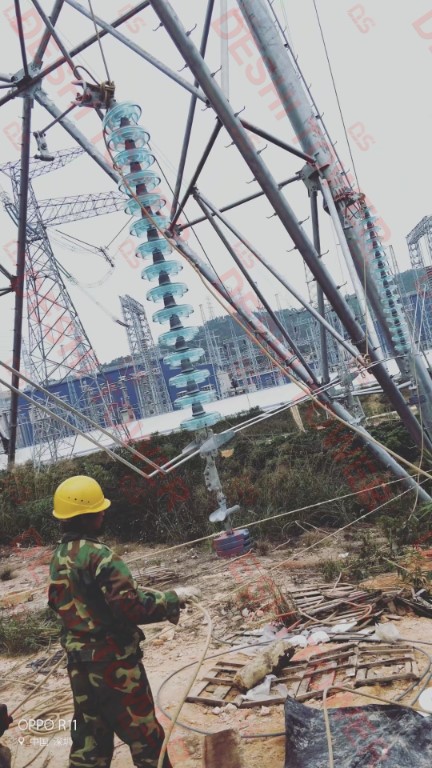
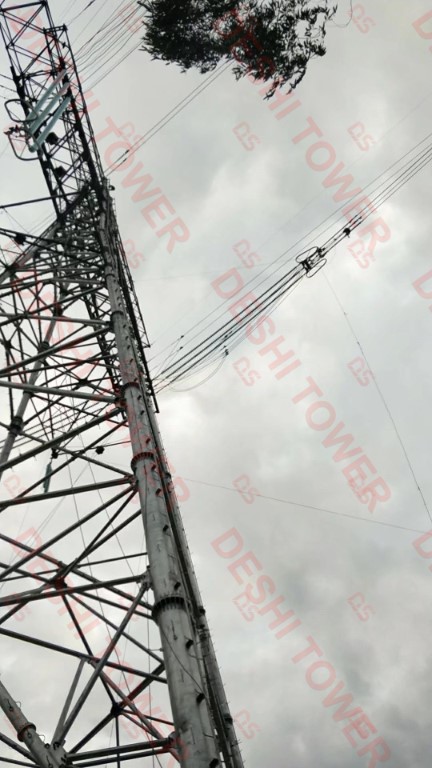
A high tension electric tower, which is another term for a high-voltage transmission tower, is an essential infrastructure used for transmitting electricity over long distances. These towers are critical for distributing electricity from power plants to different parts of a region, ensuring that cities, towns, and rural areas have access to reliable power.
Key Features of High Tension Electric Towers:
- Design and Material: These towers are typically constructed from galvanized steel or aluminum to resist corrosion and ensure longevity. They have a tall, lattice-like structure which helps reduce weight and material cost while maintaining strength and stability.
- Height and Load Capacity: High tension electric towers vary in height, generally ranging from 15 to 30 meters, but can be taller in certain cases, especially when crossing over valleys or other large obstacles. The design depends on the voltage and number of conductors they need to carry.
- Insulators: The towers use high-strength insulators, often made from ceramic or composite materials, which prevent the high-voltage currents from coming into contact with the tower structure or the ground, thus preventing electrical faults.
Installation and Operational Aspects:
- Installation: The installation of high tension electric towers involves site preparation, foundation setting, assembling sections of the tower, and finally stringing the electric cables. This process often requires specialized machinery and skilled personnel.
- Operation: These towers are designed to carry one or more high-voltage electric lines across various terrains. They are strategically placed to optimize the route for power transmission, taking into account geographical and environmental considerations.
Benefits:
- Efficient Transmission of Electricity: High tension electric towers enable the transmission of electricity at high voltages, which significantly reduces energy loss over long distances. This makes the electrical grid more efficient and capable of serving widespread areas.
- Scalability: The network of towers can be expanded and adapted as per the growing demand for electricity and geographical expansion of urban and rural areas.
- Reliability: The robust design and materials used in these towers ensure that they are durable and can withstand adverse weather conditions, contributing to the reliability of the power supply.
Challenges:
- Environmental Impact: The construction of these towers can disrupt local ecosystems, affect landscapes, and lead to potential opposition from communities concerned about visual and environmental impacts.
- Maintenance: High tension electric towers require regular maintenance to ensure they remain safe and functional. This includes inspections for structural integrity, corrosion, and ensuring that all components are functioning correctly.
- Land and Regulatory Issues: Acquiring land for new towers and transmission routes can involve complex regulatory and compliance challenges, as well as negotiations with landowners and communities.
High tension electric towers are foundational to modern infrastructure, enabling efficient and widespread distribution of electricity, yet they come with challenges that require careful management and strategic planning.
| Product | high tension electric tower |
| Shape | lattice |
| Material | Normally Q345B/A572, Minimum Yield Strength ≥ 345 N/mm² Q235B/A36, Minimum Yield Strength ≥ 235 N/mm². OR Q420 Q460 ASTM A572 GR65, GR50, SS400 |
| Electric Voltage | 10kv, 11kv, 32kv, 33kv, 35kv, 65kv, 66kv, 90kv, 92kv, 110kv, 115kv, 132kv, 220kv, 230kv, 300kv, 320kv, 330kv, 345kv, 380kv, 400kv 500kv, 750kv, 765kv, 800kv,850kv, 1000kv, 1100kv |
| Surface treatment | Hot dip galvanized Following ASTM A 123, BS729 or as client required. |
| connection | bolt connection |
| Standard | ISO 9001:2008 |
| Height: | below 60 meters |
| Surface treatment: | galvanization and color painted |
| Welding Standard | AWS (American Welding Society ) D 1.1 |
| Production Process | Raw material test → Cutting →Welding →Hole drilling →Dimension verify →sample assemble → surface clean→ Galvanization or powder coating ,painting →Recalibration →Packages |
| Packages | Packing with plastic paper, steel box or according to client’s request. |
Deshi Tower specializes in the design, manufacture, and construction support of transmission towers, communication towers, steel structures, and observation towers.
Transmission tower design adheres to ASCE/SEI standards. Telecommunication tower design follows ANSI/TIA-222 standards. We are not just manufacturers and suppliers, but also your technical support and partners.

If you need professional product quotations, technical & construction support, please email to us or submit the following sheet, we will contact you in 24 hours and pls check your emailbox. Your connection information will just be known by ourselves.