- Provide global users with the design, manufacturing, supply, and installation of steel towers and structures.

-
Weifang ,Shandong,P.R.C
-
-
high tension line tower
Lattice Transmission Tower
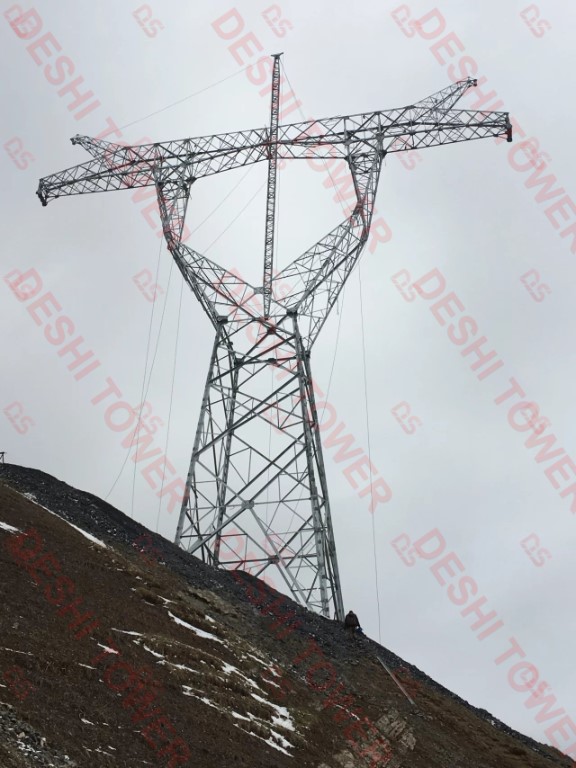
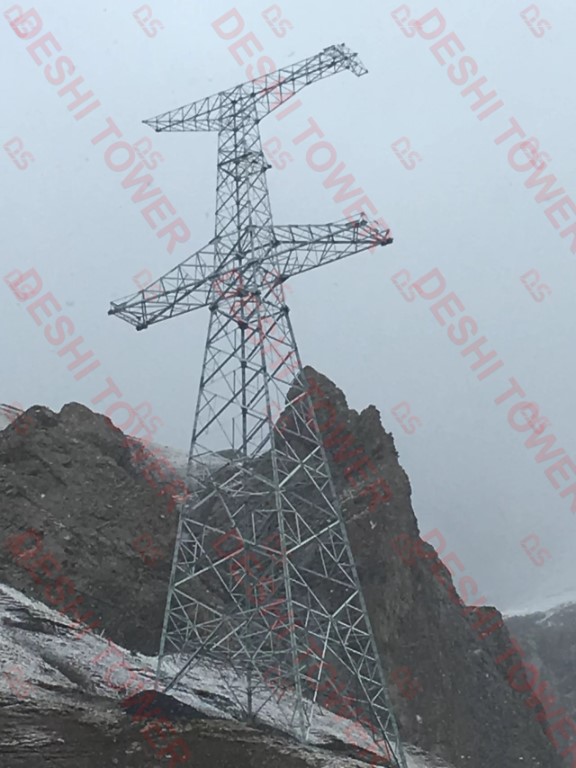
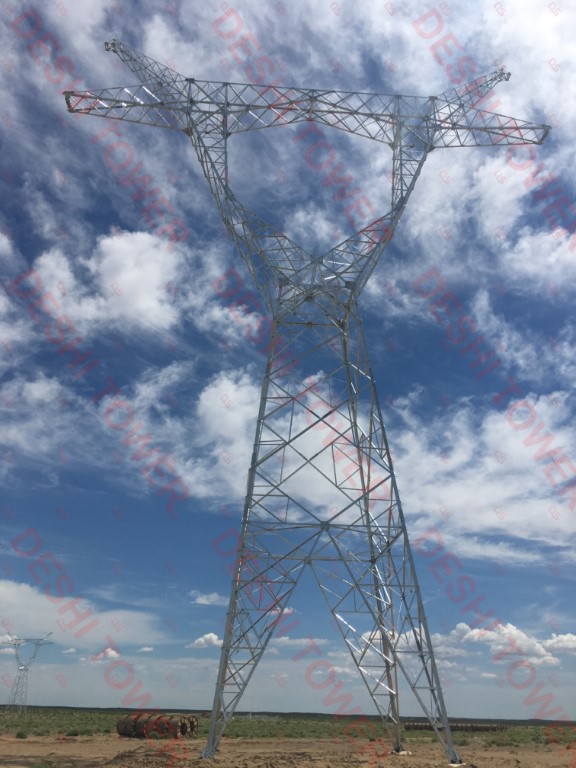
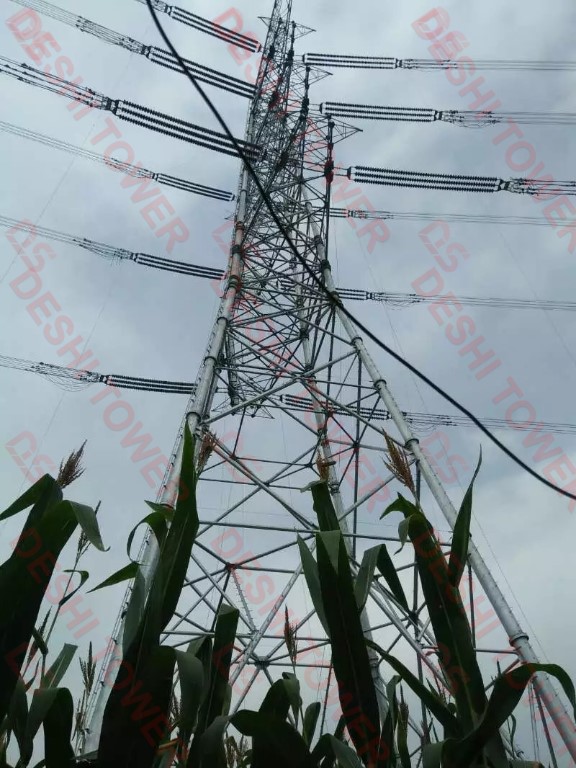
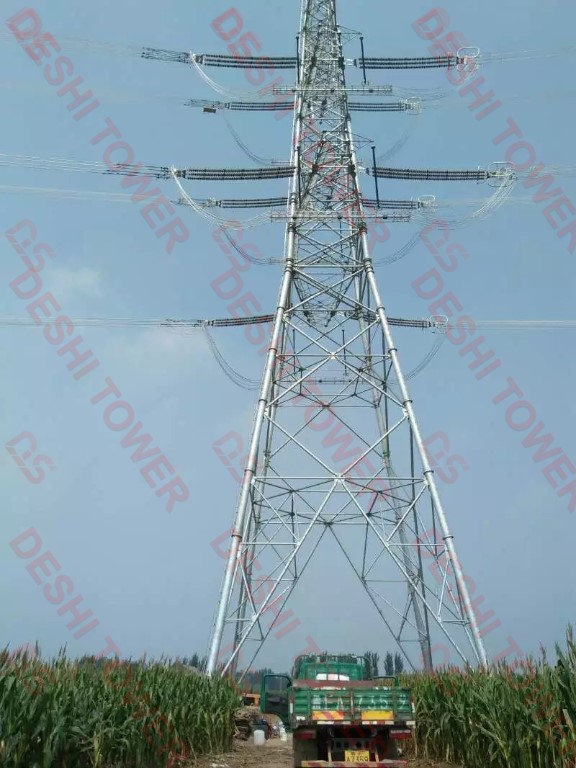

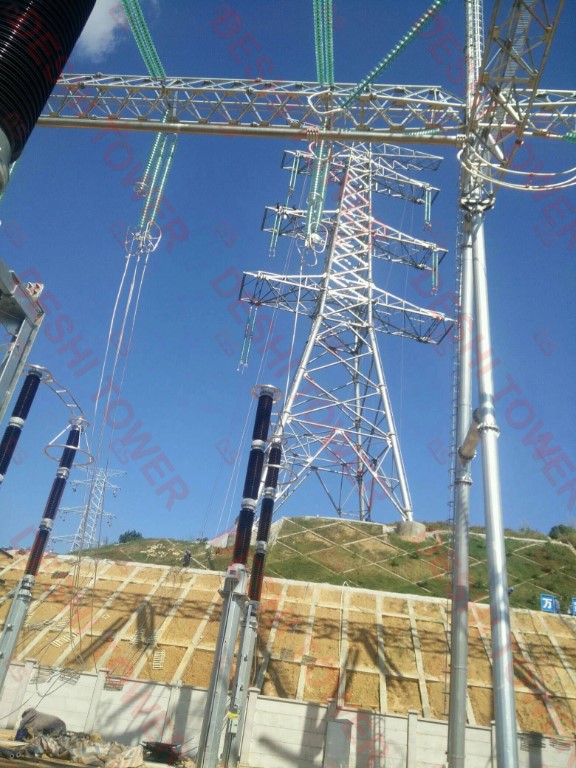
A high tension line tower, also known as a high-voltage transmission tower, is a tall structure designed to support overhead power lines carrying high-voltage electricity over long distances. These towers are essential components of the electrical grid, facilitating the transmission of electricity from power plants to substations and eventually to consumers.
Key Features of High Tension Line Towers:
- Structure and Design: High tension line towers are typically constructed from steel or aluminum and feature a lattice or tubular design to provide strength and stability while minimizing material usage. The design may vary based on factors such as the voltage level, number of circuits, and environmental conditions.
- Height and Configuration: These towers can vary significantly in height, ranging from tens to hundreds of feet tall, depending on the voltage of the transmission lines and terrain characteristics. They may support multiple electrical circuits, each suspended at a specific height to maintain safety and reliability.
- Insulation and Safety Features: High tension line towers are equipped with insulators made of materials like glass, porcelain, or composite polymers to prevent electrical current from grounding through the tower structure. Additionally, lightning protection systems and grounding mechanisms are installed to safeguard the integrity of the transmission lines.
Installation and Functionality:
- Installation Process: Erecting high tension line towers involves several steps, including site preparation, foundation construction, tower assembly, and installation of insulators and power lines. The towers are strategically placed along the transmission route to optimize efficiency and reliability.
- Functionality: High tension line towers serve as elevated support structures for overhead power lines, enabling the efficient transmission of electricity over long distances. They are designed to withstand various environmental factors such as wind, ice, and temperature fluctuations while maintaining structural integrity.
Benefits:
- Efficient Power Transmission: By carrying high-voltage electricity, these towers minimize energy losses during transmission, resulting in more efficient power delivery over long distances.
- Reliability: High tension line towers are engineered to withstand harsh environmental conditions and maintain stable power transmission, contributing to the overall reliability of the electrical grid.
- Scalability: The modular design of these towers allows for easy expansion and modification to accommodate changes in power demand or network configuration.
Challenges:
- Environmental Impact: The construction and presence of high tension line towers can have environmental implications, including habitat disruption, visual impact, and potential effects on wildlife.
- Public Perception: Some communities may perceive high tension line towers as unsightly or undesirable, leading to opposition to new construction or expansion projects.
- Maintenance Requirements: Regular inspection and maintenance are necessary to ensure the structural integrity and safety of high tension line towers, which can involve significant time and resources.
Despite these challenges, high tension line towers play a vital role in the reliable and efficient transmission of electrical power, supporting the functioning of modern societies and economies.
| Product | high tension line tower |
| Shape | lattice |
| Material | Normally Q345B/A572, Minimum Yield Strength ≥ 345 N/mm² Q235B/A36, Minimum Yield Strength ≥ 235 N/mm². OR Q420 Q460 ASTM A572 GR65, GR50, SS400 |
| Electric Voltage | 10kv, 11kv, 32kv, 33kv, 35kv, 65kv, 66kv, 90kv, 92kv, 110kv, 115kv, 132kv, 220kv, 230kv, 300kv, 320kv, 330kv, 345kv, 380kv, 400kv 500kv, 750kv, 765kv, 800kv,850kv, 1000kv, 1100kv |
| Surface treatment | Hot dip galvanized Following ASTM A 123, BS729 or as client required. |
| connection | bolt connection |
| Standard | ISO 9001:2008 |
| Height: | below 60 meters |
| Surface treatment: | galvanization and color painted |
| Welding Standard | AWS (American Welding Society ) D 1.1 |
| Production Process | Raw material test → Cutting →Welding →Hole drilling →Dimension verify →sample assemble → surface clean→ Galvanization or powder coating ,painting →Recalibration →Packages |
| Packages | Packing with plastic paper, steel box or according to client’s request. |
Deshi Tower specializes in the design, manufacture, and construction support of transmission towers, communication towers, steel structures, and observation towers.
Transmission tower design adheres to ASCE/SEI standards. Telecommunication tower design follows ANSI/TIA-222 standards. We are not just manufacturers and suppliers, but also your technical support and partners.

If you need professional product quotations, technical & construction support, please email to us or submit the following sheet, we will contact you in 24 hours and pls check your emailbox. Your connection information will just be known by ourselves.